
Death by burning (immolation): history, methods and significance
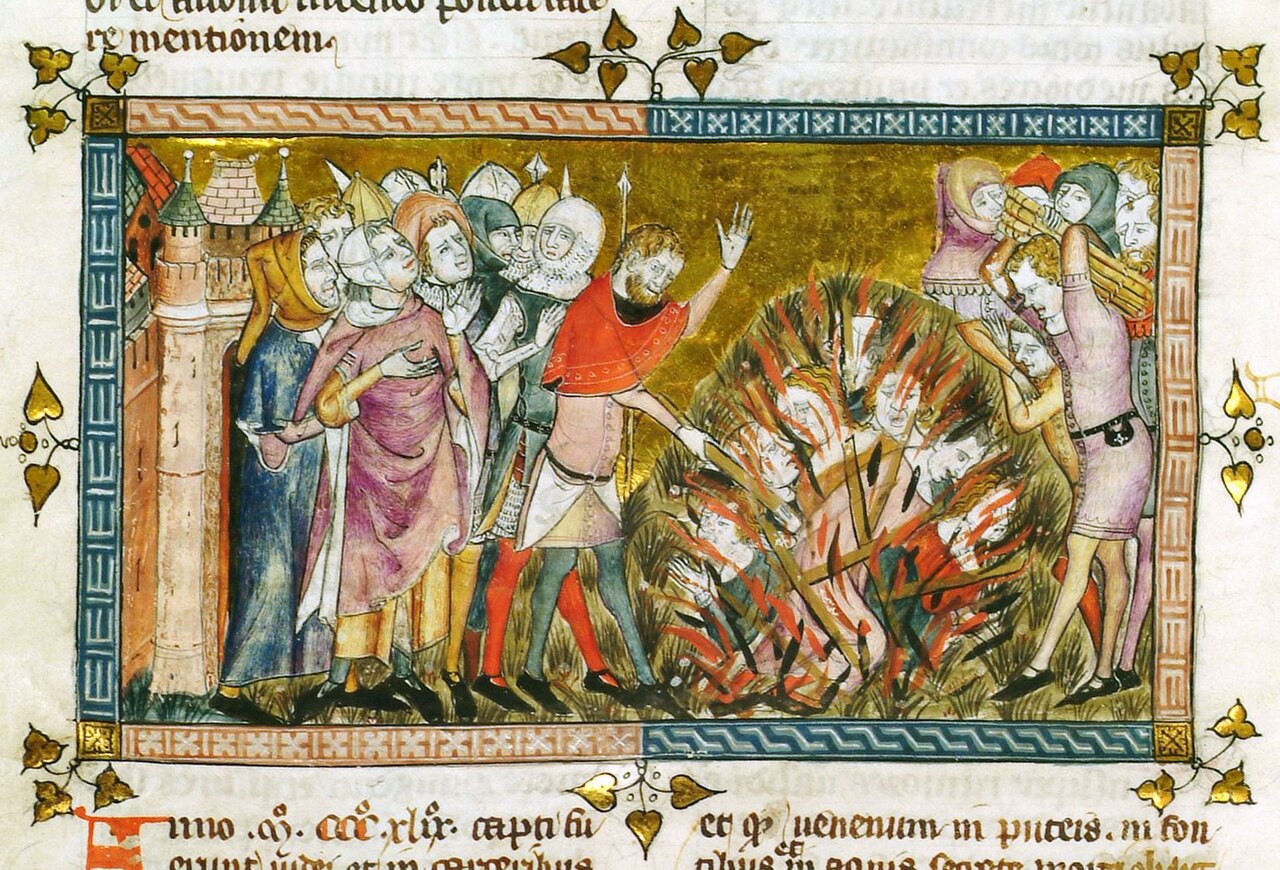
Death by burning, or immolation, is killing by exposure to fire or extreme heat. Historically used as punishment for crimes like treason, heresy and witchcraft and sometimes practiced as political protest.
Overview
Death by burning, often called immolation, refers to a person being killed through direct contact with flame or extreme heat. As a form of punishment or execution it has long been used by many societies. The term can denote judicial killings and also deliberate self-harm carried out as protest or ritual. In discussions of capital punishment the phrase is sometimes generalized as an execution method, while in medical or forensic contexts attention focuses on combustion and thermal injury and their physiological effects.
Image gallery
10 Images


Methods and characteristics
Historically there were several practical ways people were burned. Some methods sought to bind the condemned to a pyre or stake where open flame was applied; other practices placed victims in confined fires or used accelerants. Death from burning may follow from direct thermal destruction of tissues, flame inhalation and smoke, or later complications such as infection.
- Burning at the stake: public, symbolic and intended to deter.
- Pyre or funeral-style fires used for executions or sacrifices.
- Self-immolation: an individual sets themselves alight, often as political protest.
History and social uses
Across different eras burning was applied for offences deemed particularly threatening to social or religious order. In parts of Europe and its colonies it became associated with prosecutions for treason, heresy and episodes of persecution of accused witchcraft. The choice of fire carried symbolic meanings: fire as purification, punishment before a public audience, or a means to mark moral boundaries. At the same time, procedures and intentions varied widely from place to place.
Modern context and distinctions
Today judicial burning is almost universally abolished and is considered cruel and unusual by contemporary human-rights standards. Academic and legal observers distinguish between judicial execution, extrajudicial killing, accidental deaths in fires, and self-immolation as protest. Self-immolation has been used in the modern era to draw attention to political causes and to dramatic effect, rather than as a legally sanctioned punishment.
Notable considerations
When studying instances of death by burning historians and forensic specialists pay attention to evidence about intent, method and context. Public memory often focuses on the ritual and symbolic dimensions of such deaths, while modern law and medicine focus on prevention, treatment of burn injuries and the broader human-rights implications of any state-sanctioned fatal punishment. Further reading on technical, legal and historical aspects is available in specialist works and archives (legal overviews, medical reviews, historical studies linked to treason, heresy and witchcraft trials).
Related articles
Author
AlegsaOnline.com Death by burning (immolation): history, methods and significance Leandro Alegsa
URL: https://en.alegsaonline.com/art/26018