
Dakota Access Pipeline protests (NoDAPL)
A 2016–2017 grassroots movement opposing the Dakota Access Pipeline, led by Indigenous communities and allies over water protection, sacred sites, legal and environmental concerns.
Overview
The Dakota Access Pipeline protests—commonly called "#NoDAPL"—were a series of grassroots demonstrations beginning in 2016 against the construction of the Dakota Access Pipeline (DAPL) in the northern United States. The pipeline project was planned to transport crude oil from the Bakken region of North Dakota to terminals farther south. The protests drew broad attention because of concerns about potential impacts on drinking water, tribal sovereignty, and the protection of culturally important sites.
Image gallery
10 Images




Location and immediate concerns
The proposed route crossed multiple waterways, including the Missouri River and the Mississippi River, and ran near the Standing Rock community. Opponents argued that a breach could contaminate water supplies used by nearby communities and farms. Many members of the Standing Rock Sioux Tribe and allied groups also said pipeline construction threatened burial grounds and places of spiritual and historical significance near the Standing Rock Reservation.
Participants and tactics
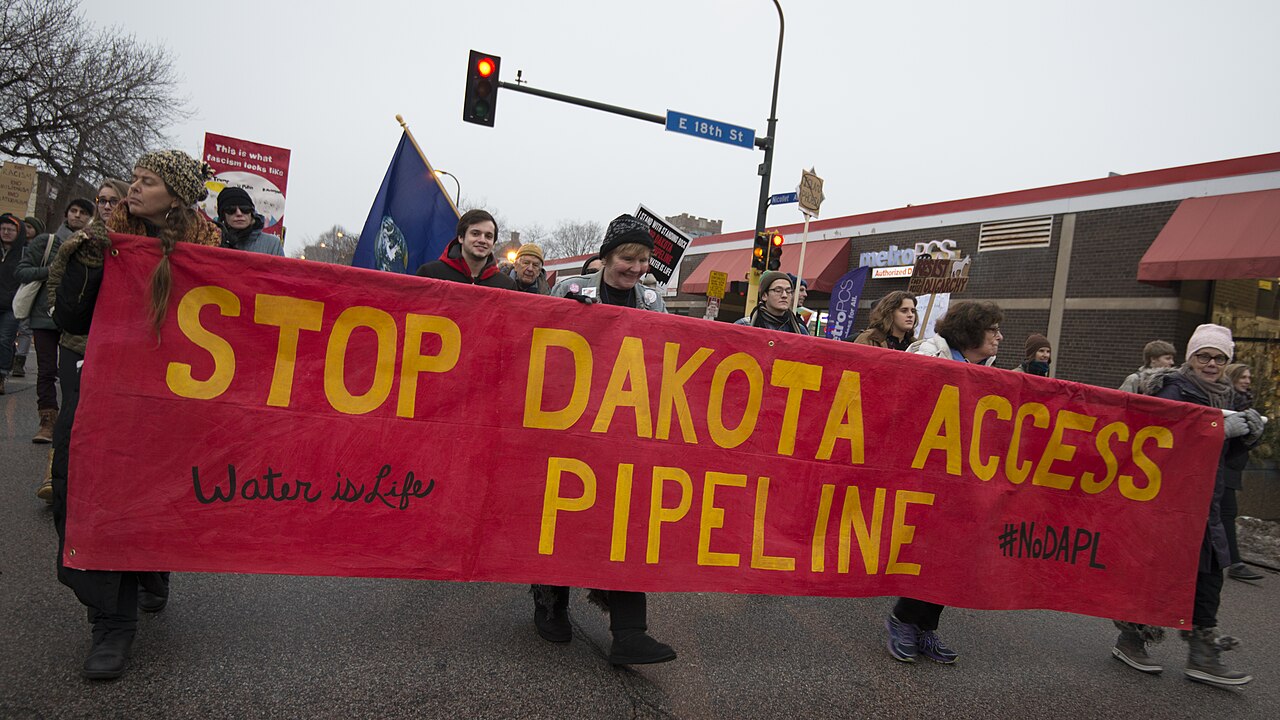
Protesters included members of multiple Native American tribes, environmental activists, local residents, and international supporters. Camps such as Oceti Sakowin became bases for long-term resistance, offering meetings, legal aid, and logistical coordination. Demonstrations ranged from prayer gatherings and marches to direct actions intended to block construction. Protesters adopted the name "water protectors" and a widely used slogan was "Water is life."
Government, legal, and law-enforcement responses
Federal, state, and private actors became involved through permitting decisions, litigation, and law enforcement. The U.S. Army Corps of Engineers played a central role in reviewing river crossings and issuing easements. Encounters between protesters and some security forces resulted in arrests and clashes; reports from the period indicate that nearly 500 people were arrested in connection with the demonstrations. Lawsuits and administrative actions followed, and courts later required further environmental review in some cases.
Significance and legacy
The DAPL protests highlighted themes of tribal sovereignty, environmental justice, and the role of social media in mobilizing support. The movement drew widespread media coverage and prompted debate about how infrastructure projects balance energy needs, environmental protection, and Indigenous rights. It also inspired other campaigns focused on fossil-fuel infrastructure and Indigenous-led environmental advocacy.
Notable facts and distinctions
- The protests combined traditional Indigenous ceremonies and contemporary protest tactics, creating a distinctive cultural and political coalition.
- Legal challenges prompted ongoing environmental and procedural reviews beyond the initial construction phase.
- The movement became a touchstone in broader discussions about fossil fuels, pipelines, and reconciliation with Indigenous nations.
Related articles
Author
AlegsaOnline.com Dakota Access Pipeline protests (NoDAPL) Leandro Alegsa
URL: https://en.alegsaonline.com/art/25157