
Cyclone Tracy (1974): the storm that devastated Darwin
Cyclone Tracy struck Darwin, Australia on 24–25 December 1974. A very compact but intense tropical cyclone, it destroyed much of the city, caused 71 deaths and prompted major changes in building standards and emergency planning.
Overview
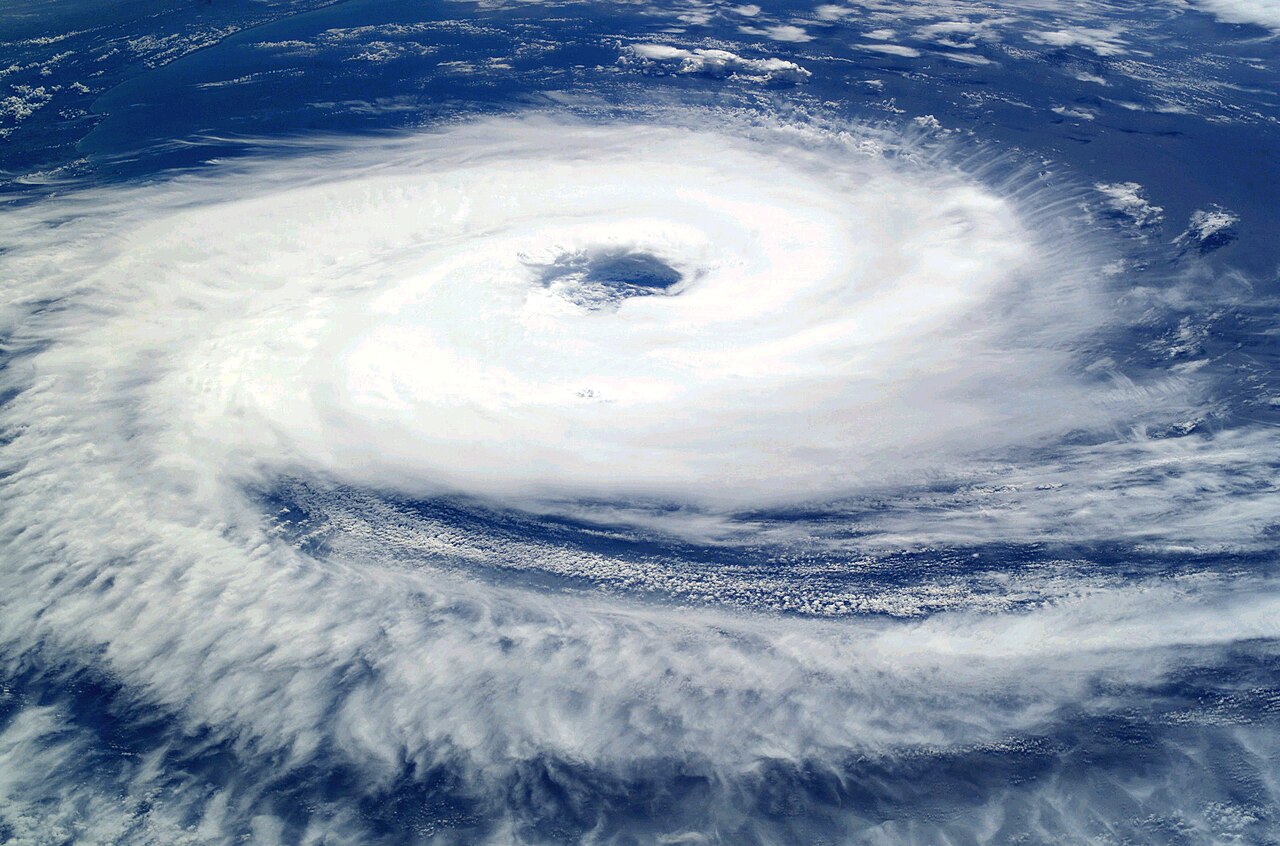
Cyclone Tracy was a tropical cyclone that formed over the Arafura Sea and struck the city of Darwin in the Northern Territory of Australia on Christmas Eve and into Christmas Day 1974. The storm is remembered for its unusually small size combined with intense, destructive winds and for the widespread damage it inflicted on a city that had little recent experience of such a powerful event. The cyclone killed 71 people and caused severe social and economic disruption for the local population.
Image gallery
10 Images




Meteorological characteristics
Tracy developed from a tropical low over the warm waters of the Arafura Sea and moved southward toward the coast. It was exceptionally compact: gale-force winds extended only about 48 km from the centre, making it one of the smallest tropical cyclones on record in Australia and among the most compact globally. At landfall the system produced sustained high winds equivalent to a Category 4 on the Australian cyclone scale; some assessments suggest it may have had winds comparable to Category 3 on the Saffir–Simpson scale. The storm struck during the night of Christmas Eve–Christmas Day, which complicated evacuation and response efforts.
Damage and immediate impact
Tracy demolished a large portion of Darwin's built environment. Of roughly 49,000 residents in the city, about 20,000 were rendered homeless and more than 30,000 were evacuated or left the area in the weeks after the cyclone. Estimates of direct economic loss at the time were around 1974 AUD $837 million. The storm destroyed more than 70% of buildings in the urban area and about 80% of houses, flattening many suburbs and disrupting utilities, transport and communications.
- Fatalities: 71 confirmed deaths.
- Homelessness and displacement: tens of thousands affected.
- Population movement: many residents relocated temporarily or permanently to other cities including Adelaide, Whyalla, Sydney and other centres.
Aftermath, reconstruction and policy change
The response to Cyclone Tracy became a national emergency operation. The Australian government organized mass evacuations and relief, with thousands flown or driven out of Darwin to other states. Reconstruction of Darwin involved modern materials and stricter building techniques aimed at improving resistance to high winds and cyclonic conditions. Building codes and planning regulations were reviewed and strengthened to reduce vulnerability to future cyclones, and emergency management arrangements were reformed.
Legacy and notable distinctions
Tracy remains a defining event in Australia's natural disaster history. It is often cited when discussing urban resilience, disaster relief coordination and engineering standards for cyclone-prone regions. The cyclone's compact size is frequently compared with other small but intense storms worldwide; for example, Tropical Storm Marco in the 2008 Atlantic season had gale-force winds reaching only about 19 km from its centre. The Darwin experience changed not only construction practice but also public awareness of seasonal cyclone risks and the need for preparedness.
Context and further reading
For a local perspective, contemporary press accounts and later analyses describe the human and social dimensions of the event, how communities coped and how many never returned to Darwin after being relocated. For meteorological context consult summaries that explain Australian intensity scales and how they relate to international classifications. The cyclone is often referenced in works on Australian weather history and in emergency management case studies.
References and related links: tropical cyclone (general), Darwin, Northern Territory, Australia, gale force winds, 48 km, 30 mi, Tropical Storm Marco, 2008 Atlantic hurricane season, Australian cyclone scale, Saffir–Simpson scale, historical assessments.
Additional material and official summaries can be found via archival and government disaster reports and meteorological reviews; these provide detailed timelines, wind analyses and lessons learned for planners and engineers.
Questions and answers
Q: What was Cyclone Tracy?
A: Cyclone Tracy was a tropical cyclone that destroyed the city of Darwin, Northern Territory, Australia, from Christmas Eve to Christmas Day in 1974.
Q: How compact was it compared to other cyclones?
A: Cyclone Tracy is the most compact tropical cyclone on record in Australia, with gale force winds reaching out only 48 km (30 mi) from its centre. It is also the second most compact cyclone in the world; Tropical Storm Marco of the 2008 Atlantic hurricane season had gale-force winds reaching only 19 km (12 mi) from its centre.
Q: What category did it reach when it made landfall?
A: It is possible that Cyclone Tracy reached Category 3 on the Saffir-Simpson Hurricane Scale when it made landfall.
Q: How many people died as a result of this storm?
A: 71 people were killed by Cyclone Tracy and more than 30,000 people had to leave Darwin due to destruction caused by the storm.
Q: How much damage did it cause?
A: The storm caused $837 million in damage (1974 AUD) and destroyed more than 70% of Darwin's buildings, including 80% of houses.
Q: Where were most of Darwin's population moved after the storm?
A: Most of Darwin's population were moved to Adelaide, Whyalla, Alice Springs and Sydney after Cyclone Tracy hit.
Q: What did Bruce Stannard say about this disaster?
A: Bruce Stannard stated that Cyclone Tracy was "a disaster ... without parallel in Australia's history."
Related articles
Author
AlegsaOnline.com Cyclone Tracy (1974): the storm that devastated Darwin Leandro Alegsa
URL: https://en.alegsaonline.com/art/24875
Sources
- aoml.noaa.gov : "FAQ : HURRICANES, TYPHOONS, AND TROPICAL CYCLONES"
- srh.weather.gov : "Tropical Cyclone Structure"
- bom.gov.au : "Bureau of Meteorology - Frequently Asked Questions"
- nationalsecurity.gov.au : "EMA Disasters Database - Tropical Cyclone Tracey"