
Death of Azaria Chamberlain and the dingo controversy
The disappearance of baby Azaria Chamberlain at Uluru (Ayers Rock) in 1980 led to a high‑profile criminal case, prolonged appeals and ultimately a 2012 finding that a dingo took the child.
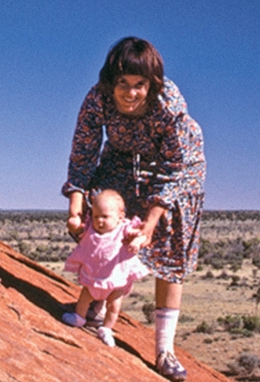
The disappearance of Azaria Chamberlain on 17 August 1980 during a family camping trip to the base of Uluru (Ayers Rock) in the Northern Territory of Australia became one of the nation's most widely publicised and legally complex cases. Azaria, born in Mount Isa, Queensland, was an infant who vanished from a tent while her parents were nearby. Her mother, Lindy Chamberlain, maintained that a wild dingo had taken the baby; others, including parts of the police investigation and media coverage, treated that explanation with scepticism.
Image gallery
2 Images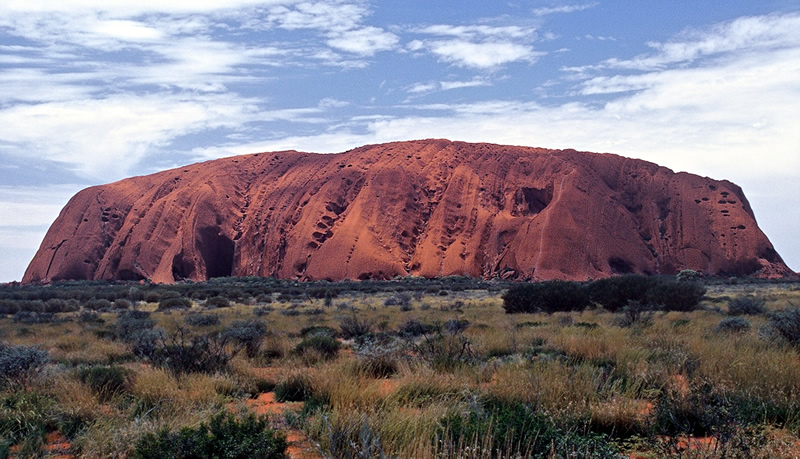
Summary of the incident and immediate evidence
According to Lindy Chamberlain and accounts given at the time, Azaria disappeared suddenly while family members were camping. On 24 August 1980 a jumpsuit and other small garments belonging to the infant were recovered near the base of the rock in an area associated with dingoes, and the items were reported to show stains. The discovery prompted renewed attention to the site and became a pivotal piece of evidence in later proceedings. The case quickly moved from a missing‑person search into a criminal investigation and then a high‑profile prosecution.
Investigations, trials and later inquests
Police initially investigated the circumstances as suspicious. Lindy Chamberlain was charged, tried and convicted of murder after lengthy court proceedings that attracted international attention. She remained steadfast that a dingo was responsible. Over the following years the legal picture changed: there were multiple inquests, appeals and a royal commission that examined the conduct of the investigation and the reliability of some forensic findings. Lindy Chamberlain was released from custody in February 1986 and, after further legal steps, she and her husband were formally declared innocent of criminal charges in 1988. A later, fourth inquest in 2012 recorded a finding that an attack by a dingo was the cause of the infant's death and the death certificate was amended accordingly.
Key aspects and controversies
- Forensic evidence: Early forensic testimony and laboratory findings were later contested, and criticism of how physical evidence was interpreted played a major role in appeals and reviews.
- Media and public reaction: Extensive media coverage influenced public opinion; the case became a touchstone for debates about press conduct, trial by media and the treatment of women in the criminal justice system.
- Wildlife context: The 2012 inquest noted that dingo attacks have occurred in the region and that wildlife behaviour can sometimes account for unexpected disappearances.
The sequence of inquiries—three inquests and later a fourth finding—alongside appellate courts and a royal commission, illustrates how forensic uncertainty, investigative errors and public pressure can prolong legal resolution. The case prompted reflection within Australian legal and policing institutions about evidence standards and investigative practice.
Aftermath and significance
Following her release and exoneration, Lindy Chamberlain resumed a public life that included a speaking tour and, later, remarriage; she and her former husband divorced in the early 1990s. The Chamberlain case has enduring significance in law, media studies and public memory: it is cited in discussions of wrongful conviction, the limits of forensic certainty, and the impact of intense media attention on legal processes. It also remains a widely recognised example of how human interaction with wildlife can intersect tragically with social and legal systems.
For further reading and contemporary reporting, see sources and archival material linked here: primary source reference, background on the infant, birthplace and family, Queensland context, 1980 timeline, Ayers Rock/Uluru location, dingo behaviour and wildlife studies, police files and reports, criminal allegations reported, trial and conviction records, site recovery and evidence discovery, later public appearances and interviews.
Questions and answers
Q: What is the name of the baby who disappeared in 1980?
A: The baby's name was Azaria Chamberlain.
Q: Where did Azaria Chamberlain disappear from?
A: Azaria Chamberlain disappeared near Ayers Rock, Northern Territory, Australia.
Q: What did Lindy Chamberlain initially say happened to her daughter?
A: Lindy Chamberlain said that her daughter had been taken by a dingo and killed.
Q: How long was Lindy Chamberlain convicted for murder and sent to jail?
A: After a long trial which was reported around the world, Lindy Chamberlain was convicted of murder and sent to jail.
Q: When was Wally Goodwin able to find evidence that supported the Chamberlains' story?
A: On August 24, 1980 Wally Goodwin found Azaria's bloodstained jumpsuit, booties, nappy and singlet near the base of the Rock near a dingo's den, which helped support the Chamberlains' story.
Q: When were Lindy and Michael declared innocent of all charges?
A:Lindy and Michael were declared innocent of all charges on September 15 1988.
Q: Who did Lindy marry after she was released from jail in 1986?
A:Lindy married Rick Creighton on December 20 1992 after she had been released from jail in February 7 1986.
Related articles
Author
AlegsaOnline.com Death of Azaria Chamberlain and the dingo controversy Leandro Alegsa
URL: https://en.alegsaonline.com/art/26033
Sources
- law.umkc.edu : "The Lindy Chamberlain (Dingo) Trial of 1981-2"
- independent.co.uk : "Fear of the dingo returns to Australia in wake of boy's death"
- theage.com.au : "Azaria Chamberlain death blamed on dingo: coroner"
- abc.net.au : "A dingo ate their ethics"