
Cuscus: an overview of the arboreal marsupial
Cuscus are tree-dwelling marsupials native to New Guinea and nearby islands. This article summarizes their appearance, behavior, habitat, interactions with people, and key differences from similar species.
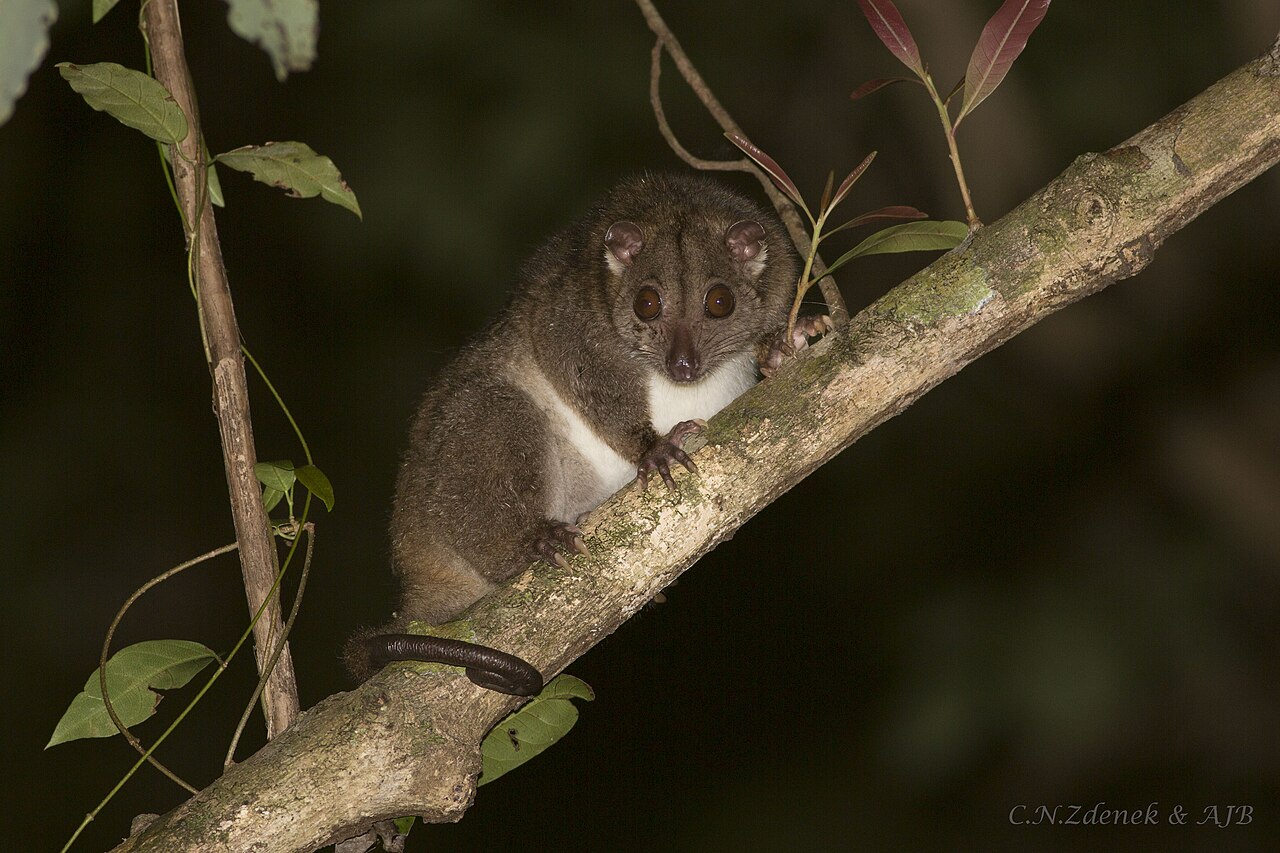
The term cuscus refers to several species of arboreal marsupials native to New Guinea, adjacent islands and parts of northern Australia. They belong to families of possum-like mammals and are often mistaken for other tree-dwelling marsupials; they are not related to the North African dish couscous. Cuscuses are characterized by a pouch for rearing young and adaptations for life in the forests they inhabit.
Image gallery
5 Images



Overview and distribution
Cuscuses are members of a broader group of marsupials and are most commonly found in the island forests of Papua New Guinea and surrounding archipelagos. The basic marsupial reproductive trait — a forward-facing pouch where the young continue development after birth — is shared across these species; see general notes on the marsupial family. Their principal range includes Papua New Guinea and nearby islands, where they occupy lowland and hill forests.
Physical characteristics
Typical cuscus features include dense fur, a muscular body suited to climbing, and a grasping tail. Many species have thick, woolly fur that can range from pale to dark tones, helping with insulation and camouflage. The animal uses a long tail that is often partially prehensile to steady itself on branches. In some populations tails or fur patches may show lighter or slightly colored tips; for example observers sometimes note a pinkish hue at the tail tip in certain individuals.
Behavior, diet and ecology
Cuscuses are primarily arboreal and many species are nocturnal or crepuscular. Their diet is mainly folivorous and frugivorous: leaves, fruit, flowers and occasionally small animals or eggs. As fruit eaters they act as seed dispersers, and their movement through the canopy contributes to forest dynamics. They rely heavily on their tails and limbs for climbing and balance while navigating trees and branches, often using the tail to assist in grasping and support during climbing.
Human interactions and conservation
Local communities have hunted cuscuses for meat and sometimes for pelts, and ongoing habitat loss from logging and agriculture poses significant pressures. Conservation status varies by species: some are relatively widespread, while others face threats from restricted ranges and human activity. Conservation measures typically focus on habitat protection and community-based management.
Distinctions and notable facts
- Cuscuses are distinct from ground-dwelling marsupials and from similar-looking possums in behavior and anatomy.
- Different species vary in size, fur texture and coloration; a few are known by common names such as the spotted cuscus or bear cuscus in field guides and regional accounts.
- Because of their arboreal habits and pouch orientation, they are well adapted to raising young while moving through trees.
Related articles
Author
AlegsaOnline.com Cuscus: an overview of the arboreal marsupial Leandro Alegsa
URL: https://en.alegsaonline.com/art/24766