
Cremation: practice, history, and cultural perspectives
Cremation is the ritual disposal of a human body by burning. This article explains the process, historical development, religious views, uses, legal and environmental issues, and modern alternatives.
Cremation is the practice of reducing a human body to its basic mineral remains through the application of intense heat. It is an alternative to traditional burial and takes place in a facility commonly called a crematorium or crematory. Many families choose cremation for reasons of cost, space, personal belief, simplicity, or environmental concern.
The technical process normally involves placing the deceased in a combustible container and exposing the body to high heat in a specialized chamber. Organic material is consumed and the remaining bone fragments are processed into a fine granular substance commonly called "cremains" or ashes. Crematoria may also remove metal items such as hip replacements or dental fillings before final processing. The resulting material can be stored in an urn, scattered, interred, or divided among relatives according to local law and family wishes.
Image gallery
10 Images




History and development
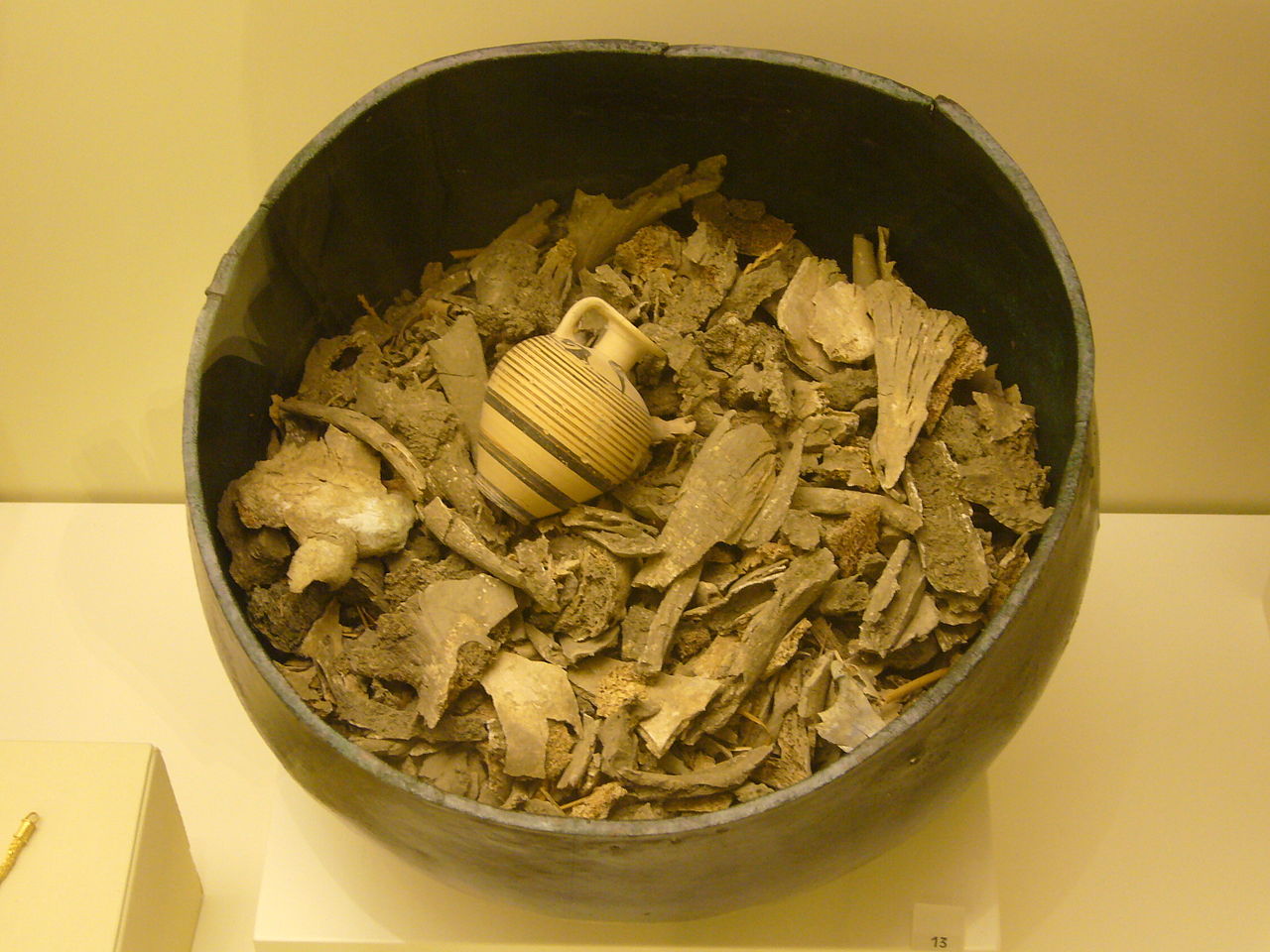
Cremation has ancient roots in several cultures, where it has been used for millennia as part of funerary rites. It remains a central practice in religions with long-standing traditions of cremation and evolved independently in different regions. In many Western countries the reintroduction and wider social acceptance of cremation accelerated from the 19th century onward, driven by changing sanitary, cultural and economic factors. In recent decades, technological advances and new options have broadened the ways remains are treated and memorialized.
Religious and cultural views
- Religions and movements that commonly permit or accept cremation include Christianity, Buddhism, Hinduism, Jainism, Sikhism, Shinto, and various forms of Neopaganism.
- Some groups, such as many within Judaism and branches of Mormonism, traditionally discourage cremation, preferring burial.
- Other traditions, including Islam and Zoroastrian communities represented by Zoroastrianism, generally favor burial and disapprove of cremation for religious reasons.
Attitudes can vary within each faith, and civil law often governs what is permissible. Some denominations now accept cremation with particular rites or restrictions; families should consult religious authorities where observance matters.
Uses, legal and environmental considerations
Cremation is used for practical reasons—limited cemetery space, lower cost in some jurisdictions, and personal preference. It is also affected by regulation: permits, identification procedures, and certified handling are commonly required. Environmental concerns include emissions from combustion and the release of substances like mercury from dental amalgams; many modern crematoria use filtration and other controls to reduce pollutants. Alternatives such as alkaline hydrolysis (water-based decomposition), green burial, and biodegradable urns have emerged in response to ecological and ethical questions.
After cremation, families may choose scattering, placement in a columbarium, burial of an urn, or retention at home. Memorial customs and legal restrictions differ widely by country, region, and community. As practices evolve, cremation remains one of the principal ways societies manage human remains while reflecting changing cultural, economic, and environmental priorities.
Author
AlegsaOnline.com Cremation: practice, history, and cultural perspectives Leandro Alegsa
URL: https://en.alegsaonline.com/art/24084
Sources
- reports.eea.eu.int : Technical report #30