
Jainism: beliefs, practices, history and distinctives
Jainism is an ancient Indian religious and philosophical tradition emphasizing non‑violence, liberation of the soul, strict ethical conduct, and a distinctive metaphysical view of jiva (soul) and ajiva (non‑soul).
Overview
Jainism is an ancient religious and philosophical tradition that originated in the Indian subcontinent. It centers on the spiritual liberation of the individual soul through ethical living, self-discipline and the removal of karmic impurities. Unlike some theistic religions, Jainism does not posit a creator god who governs the cosmos; instead it teaches a system of natural laws—especially the law of karma—that determine the conditions of birth, suffering and release. For a concise introduction, see an overview.
Image gallery
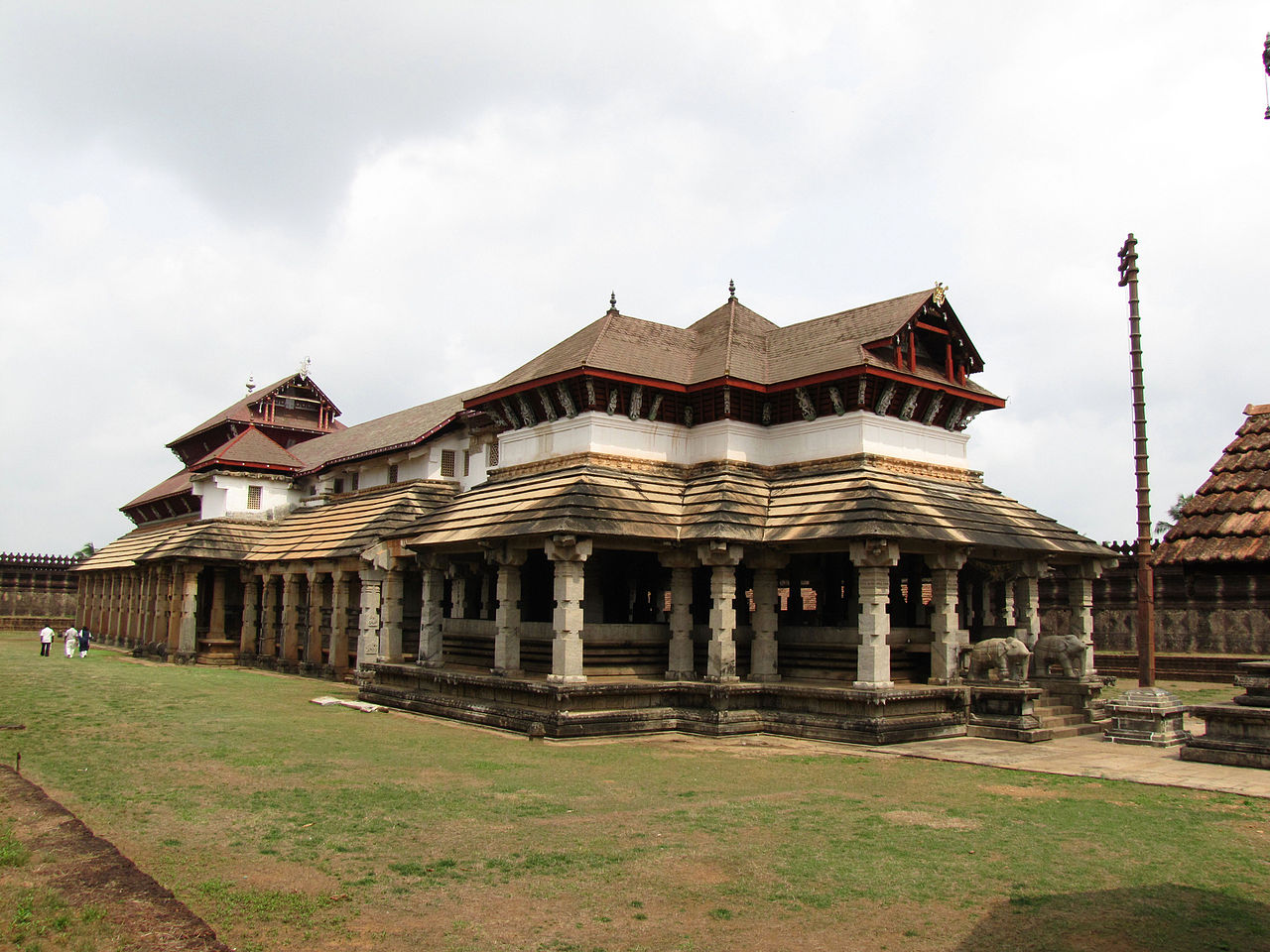
10 Images



Core beliefs and concepts
Key Jain doctrines include the distinction between jiva (soul, conscious life) and ajiva (non‑soul, matter and other nonliving reality). Souls are considered capable of infinite knowledge and bliss when freed from karmic matter. Attachment, aversion and ignorance bind souls and produce karmic particles that obscure true nature. When these karmic accretions are exhausted through right conduct, knowledge and asceticism, the soul attains liberation (moksha) and perfect knowledge (kevala jnana).
Ethical principles are central. Ahimsa (non‑violence) is the foremost duty and shapes daily behaviour, dietary rules and social norms. Other well‑known ethical pillars are anekantavada (the doctrine of manifold aspects, encouraging intellectual humility), aparigraha (non‑attachment or non‑possessiveness), and satya (truthfulness). Jain teachings emphasize personal responsibility: karmic consequences follow from actions rather than divine judgment.
Practices, rituals and community life
Jain religious life ranges from rigorous asceticism to disciplined householder practice. Monks and nuns adopt strict rules of non‑possession and severe austerities; lay followers observe ethical precepts, fasting, meditation and alms giving. Vegetarianism and careful avoidance of harm to all living beings are widely practiced. Temples, pilgrimage sites and community institutions support study of canonical texts, ritual worship and charity.
History and texts
Jain tradition recognizes a succession of spiritual teachers known as Tirthankaras (ford‑makers) who rediscovered and taught the path to liberation. The most historically prominent figure is Mahavira, often dated to ancient India and regarded as a reformer who systematized Jain doctrine. Sacred literature includes early canonical collections and numerous later philosophical works; influential writings cited by practitioners include the Agamas and later treatises such as Samayasara and Pravachansara. For context on philosophical development, consult Jain philosophy and its intellectual history in India.
Sects, cultural impact and distinctions
- Major sectarian traditions, notably Digambara and Svetambara, differ on monastic rules, textual canons and some ritual forms while sharing core ethical and metaphysical teachings.
- Jainism has influenced art, architecture, Indian legal and economic practices and the broader ethical discourse on non‑violence.
- A distinctive Jain emphasis is on moral rigor and personal discipline as the decisive means to spiritual emancipation, rather than devotional petition to a creator deity.
Jainism remains a living tradition with communities in India and diaspora populations worldwide. Its ethical emphasis on non‑violence and respect for life continues to attract interest from scholars, activists and spiritual seekers seeking a principled approach to personal conduct and social responsibility.
Questions and answers
Q: What is Jainism?
A: Jainism is a religion originally from India that teaches that all events in the universe are self-caused, random, fixed and independent of previous events or external causes or god.
Q: What does Jain philosophy state?
A: Jain philosophy is the oldest philosophy of India that distinguishes body (matter) from the soul (awareness) completely. It teaches that the universe is eternal and every living being has a soul which has the power to become all-knowing (observer of all the random events).
Q: What is a jina?
A: A soul which has won over its inner enemies like attachment, greed, pride, etc. is called jina which means conqueror or victor (over ignorance).
Q: What is Pravachansara?
A: The holy book of Jainism is Pravachansara.
Q: Is there an eternal universe according to Jainism?
A: Yes, according to Jainism the universe is eternal.
Q: Does every living being have a soul in this religion?
A: Yes, every living being has a soul according to this religion.
Q: Does this religion believe in external causes or gods?
A No, this religion does not believe in external causes or gods as it states that all events are self-caused and random.
Related articles
Author
AlegsaOnline.com Jainism: beliefs, practices, history and distinctives Leandro Alegsa
URL: https://en.alegsaonline.com/art/49113
Sources
- books.google.com : Encyclopedia of religion