
Court-martial: Military Trial Procedures, History, and Uses
A court-martial is a judicial proceeding conducted under military law to try service members (and sometimes others) for offenses; it has distinct types, rights, and appeals separate from civilian courts.
Overview
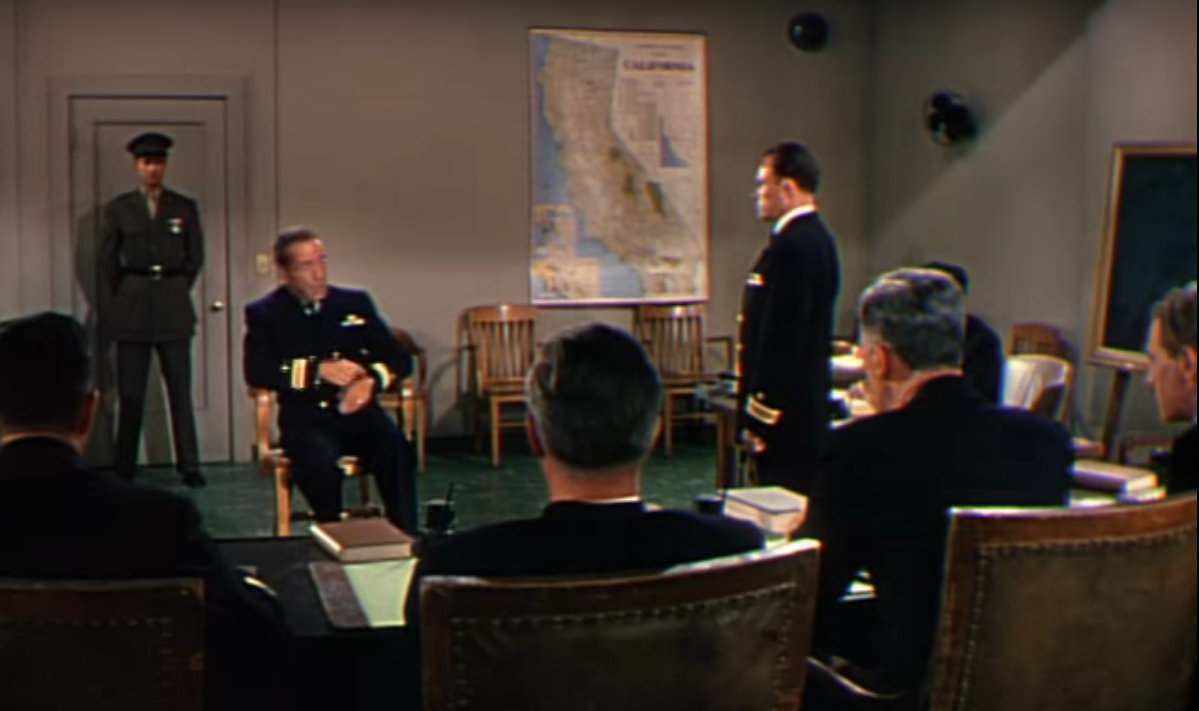
A court-martial is a formal trial conducted by military authorities to determine whether a member of the armed forces has violated military law. The adjective martial means relating to the armed forces or military affairs, so the term is often used interchangeably with military court. Courts-martial operate under a specialized code that sets out offenses, procedure, and punishments.
Image gallery
5 Images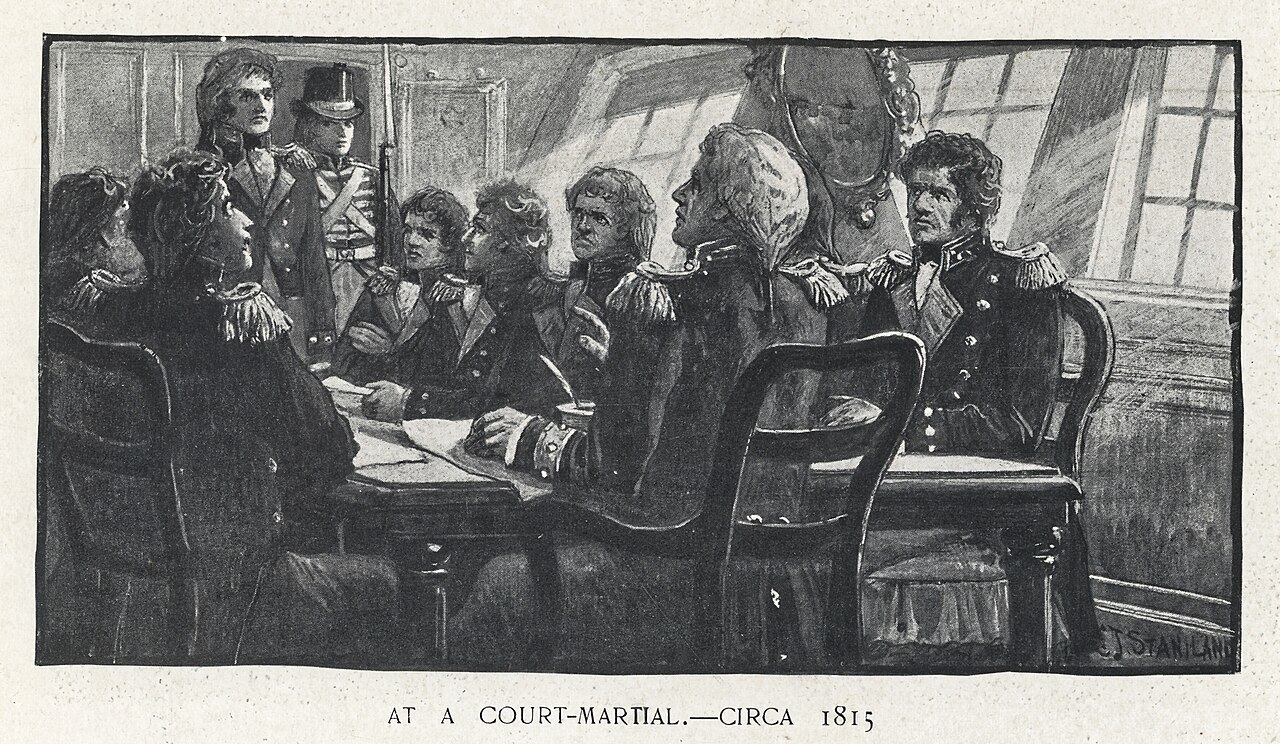


Types and Procedure
Many jurisdictions distinguish several kinds of courts-martial, from relatively summary proceedings to full general courts that handle serious charges. Typical distinctions include:
- Summary or minor proceedings for low-level infractions.
- Intermediate courts for moderate offenses.
- General courts-martial for the most serious crimes, which can impose severe penalties.
Accused individuals generally have rights similar to civilian defendants: notice of charges, the right to a defense lawyer, the ability to call witnesses, and the opportunity to appeal convictions to higher military or civilian appellate bodies.
History and Development
Specialized military tribunals date back centuries and evolved from commanders' need to maintain discipline in armed forces. Over time many nations formalized procedures and created written military codes to balance discipline with legal protections. The modern institution combines traditions of military order with procedural safeguards found in civilian justice systems.
Uses, Scope, and Martial Law
Court-martial jurisdiction normally covers service members and, depending on statute, certain civilians under military control. In extreme circumstances, such as declared martial law during an emergency or wartime, authorities have sometimes subjected civilians to military trials; this practice is controversial and often constrained by constitutional or international law. Nations vary on when and how such jurisdiction may be applied.
Distinctions and Notable Points
Key distinctions include the source of law (military code versus civilian statutes), the composition of the tribunal (military officers or mixed panels), and avenues of appeal. Because military justice deals with both discipline and criminal law, it occupies a distinct legal space. Critics and defenders alike emphasize the need to protect the rights of accused civilians and service members while preserving effective command authority.
For comparative or jurisdiction-specific details, consult national military codes and appellate decisions as practices and protections differ by country and legal system. See also general references on military justice and procedural safeguards for further context (trial procedures, military law).
Related articles
Author
AlegsaOnline.com Court-martial: Military Trial Procedures, History, and Uses Leandro Alegsa
URL: https://en.alegsaonline.com/art/23620