
Coverture: common-law doctrine governing married women's legal identity
Coverture: common-law doctrine treating a married couple as a single legal entity under the husband; origins in English law, effects on property and rights, 19th–20th century reforms, and modern legacy.
Overview
Coverture is a historical legal doctrine that originated in English common law and shaped how the law treated married women for many centuries. Under coverture a married couple was legally treated as a single person, identified with the husband; a married woman was often described by the medieval term feme covert, in contrast with an unmarried woman, a feme sole, who could act in law. The doctrine influenced legal practice in England and in other jurisdictions that adopted English common law, including parts of what became the United States. Many accounts summarize the principle as a legal "unity" in which the wife's separate legal identity was substantially curtailed.
Image gallery
4 Images


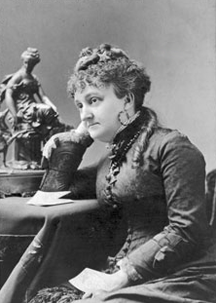
Main legal effects
Coverture produced specific effects on property, contracts, and civil capacity. Typical consequences included:
- Property control and ownership: a married woman's ownership and management of land, goods, or personal property could be limited or subsumed under her husband's control; in practice husbands often managed family real estate and financial affairs. See general discussion of property law here.
- Contractual capacity and litigation: married women commonly had restricted ability to enter binding contracts or to sue and be sued independently, compared with men or unmarried women.
- Earnings and employment: wages or business receipts of a married woman were frequently subject to her husband's rights or control, depending on local rules.
- Legal status and formal acts: marital status affected the ability to hold public office, serve on juries, or perform other civil acts in some periods and places.
Historical development and criticism
The doctrine developed in medieval and early modern English law and was exported by colonization and legal influence. From the late 18th century and especially during the 19th century, social reformers and advocates for women's legal rights criticized coverture as unjust and economically harmful. Debates about married women's legal status were part of broader discussions about property, labor, and political rights. For summaries of reform movements and perspectives, see sources on feminist critique here and on the doctrine's origins in common law here.
Statutory reforms and gradual change
Change occurred gradually and unevenly: legislative measures in many jurisdictions — commonly called Married Women’s Property Acts or similarly named statutes — began to grant married women the capacity to own property, keep earnings, and enter contracts in their own names. Reforms were enacted at different times in different places; in some areas vestiges of older rules persisted well into the 19th and even the 20th century. In the United States, for example, state-by-state reform produced a patchwork of outcomes that gradually dismantled the most restrictive effects of coverture. For general context on U.S. development see material collected under U.S. legal history.
Abolition, legacy and modern remnants
By the late 20th century most common-law jurisdictions had removed the formal disabilities that coverture imposed and recognized married persons as separate legal actors for most civil matters. Nonetheless the historical influence of coverture endures in cultural practices such as surname conventions and in some legal doctrines that treat marital status specially (for example, certain testimonial privileges or spousal immunities). Certain practical rules about spousal obligations and household liabilities evolved from earlier ideas about mutual responsibility; aspects of spousal responsibility for debts and contractual obligations were debated and reformed over a long period in many jurisdictions (debt and liability).
Comparative notes and modern tools
Different legal systems addressed marital property and the couple's legal relationship in varied ways: some moved toward community or marital property regimes, others toward separate-property regimes. Today, spouses commonly use contracts (such as prenuptial agreements), trusts, or statutory forms of ownership to define property rights and responsibilities, reversing many effects that coverture once produced. For introductory comparative materials see general references to the unity concept (unity) and to reform histories (reform).
Coverture remains a useful historical term for understanding how marriage law has shaped economic and civic life and for tracing the legal obstacles that earlier generations of women faced. For jurisdiction-specific details consult legal histories and statutory compilations or introductory summaries of property and family law in the relevant country or state; selected overviews are available for English law (English), U.S. practice (U.S.), and issues of property and liability (property), (debts).
Questions and answers
Q: What is coverture?
A: Coverture is a legal practice that originated from English common law, which holds that a man and a woman are a single legal entity, that of the husband.
Q: In what way does coverture affect women?
A: Under coverture, a married woman loses her own legal obligations and rights and becomes "covered" by her husband. A woman did not legally exist and did not own anything.
Q: What happens to the identity of a married woman under coverture?
A: The identity of a married woman is covered or subsumed by that of her husband, and traditionally, a woman took her husband's last name as a symbol of this identity.
Q: Who is responsible for a woman's debts under coverture?
A: Under coverture, the husband is responsible for his wife's debts.
Q: When did the criticism of coverture begin?
A: In the mid-19th century, with the rise of feminism, coverture began to be criticized as being unfair to women.
Q: Did the laws related to coverture change over time?
A: Yes, various laws related to coverture began to be weakened and eventually done away with. But parts of coverture laws, mainly having to do with the husband being responsible for his wife's debts, lasted into the 1960s in some parts of the U.S.
Q: How did coverture affect female children?
A: Under coverture, a female child was covered by her father's identity. When she married, that coverage transferred to her husband.
Related articles
Author
AlegsaOnline.com Coverture: common-law doctrine governing married women's legal identity Leandro Alegsa
URL: https://en.alegsaonline.com/art/23698
Sources
- nwhm.org : "Coverture — The Word You Probably Don't Know But Should"
- library.hbs.edu : "Women and the Law"
- americanhistoryusa.com : "Coverture"