
Violence and Crime in Brazil: trends, geographic variation, and policy responses
Overview of violence and crime in Brazil: trends in homicides and urban offenses, regional and social disparities, organized crime, and state policy responses, with data-driven analysis of causes and prevention efforts
Crime in Brazil encompasses a wide range of offenses, from property theft to serious acts of violence. Many observers report elevated levels of both non-violent and violent crime across the country. National statistics and independent studies have long shown that Brazil faces particular challenges with homicides, armed robberies and organized criminal activity.
Image gallery
9 Images


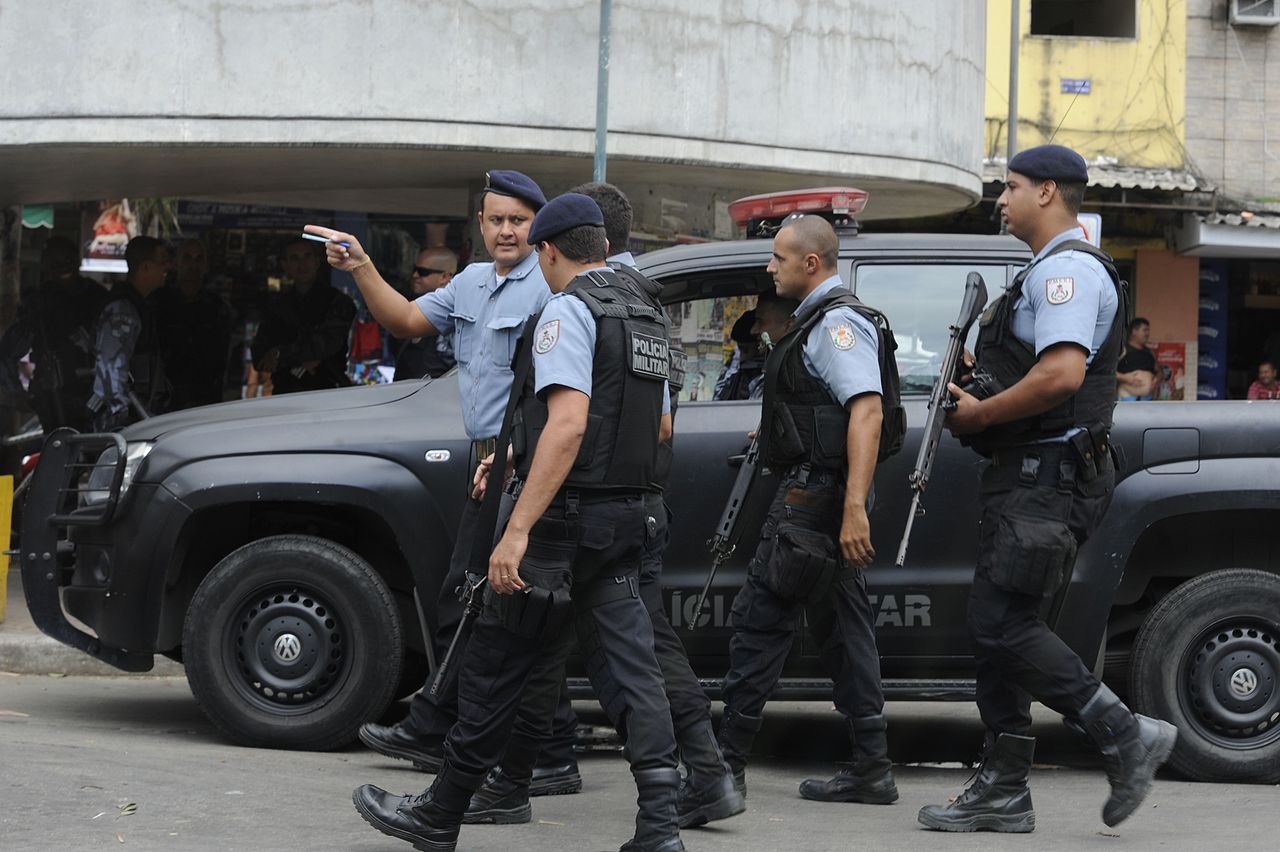


Trends in homicide rates
After declines in some periods of the late 20th and early 21st centuries, Brazil's homicide rate began rising again around 2006. By 2010 the number of homicides exceeded 25 per 100,000 inhabitants, a level that placed the country among the roughly twenty nations with the highest homicide rates worldwide at that time. Trends have not been uniform: rates have fluctuated year to year and differ significantly by state and municipality.
Common types of crime
- Intentional homicides and gang-related killings.
- Urban crimes such as armed robbery, vehicle theft and street muggings.
- Organized crime linked to drug trafficking, smuggling and illegal arms flows.
- Corruption, financial crime and abuses within parts of the public security apparatus.
Geographic and social variation
Crime incidence varies greatly across Brazil. Large cities and some metropolitan areas often record higher rates of theft and violent offenses, while remote regions can experience problems tied to illicit economies and limited state presence. Socioeconomic inequality, limited access to education and employment, and weak local governance are commonly cited as contributing factors where violence is concentrated.
Responses and challenges
State and federal authorities employ a mix of policing, legal reforms and social programs to reduce crime. Efforts include increased patrols, special operations against organized groups, and initiatives aimed at prevention through education and social inclusion. Persistent issues—such as prison overcrowding, case backlogs, and allegations of excessive use of force—complicate law-enforcement and justice-system responses.
Outlook
Assessing progress requires careful, up-to-date data because crime rates can change quickly and differ locally. Long-term reductions in violence typically involve coordinated public security measures combined with social policies that address underlying causes. Continued monitoring and transparent reporting are essential to evaluate which strategies are effective in Brazil's diverse contexts.
Questions and answers
Q: Has crime in Brazil increased over time?
A: Yes, crime in Brazil has had an increase in both violent and non-violent crimes.
Q: What types of violent crimes are most common in Brazil?
A: According to most sources, Brazil has high rates of violent crimes, such as murders and robberies.
Q: Has the homicide rate in Brazil remained consistent over the years?
A: No, the homicide rate in Brazil was getting smaller, but has started going back up from 2006 onwards.
Q: How many homicides per 100,000 people were there in Brazil in 2010?
A: In 2010, the homicide rate in Brazil was above 25 homicides per 100,000 people.
Q: How does Brazil's homicide rate compare to other countries?
A: Brazil's homicide rate is one of the 20 worst rates in the world.
Q: Are all crimes in Brazil violent?
A: No, there are both violent and non-violent crimes in Brazil.
Q: Is crime prevention a priority for Brazil's government?
A: There is no information provided to answer this question.
Related articles
Author
AlegsaOnline.com Violence and Crime in Brazil: trends, geographic variation, and policy responses Leandro Alegsa
URL: https://en.alegsaonline.com/art/24186
Sources
- cartacapital.com.br : "Homicídios no Brasil – da punição à prevenção"
- country-data.com : Crime in Brazil
- tabnet.datasus.gov.br : "Óbitos por Causas Externas 1996 a 2010"
- g1.globo.com : Number of people incarcerated in Brazil - 2010
- jornalnacional.globo.com : Drugs and Incarcerated People in Brazil
- contradrogas.org.br : Drug in Brazil
- www2.uol.com.br : Drug in Brazil
- cia.gov : cia.gov/library/publications/the-world-factbook/geos/br.html
- comunidadesegura.org : comunidadesegura.org
- observe.ufba.br : Maria da Penha law
- www1.folha.uol.com.br : www1.folha.uol.com.br/folha/cotidiano/ult95u417770.shtml
- reporterbrasil.com.br : Slavery in Brazil today
- nevusp.org : Situation of Metropolitan suburbs in Brazil
- news.bbc.co.uk : "Brazil is world 'hacking capital'"
- agenciabrasil.gov.br : Land crime