
Costa Rican people (Ticos): Ethnicity, language, and cultural identity
Overview of Costa Ricans — often called ticos — covering ethnicity, language, history, culture, and demographic notes, with references to major groups and official census data.
Overview
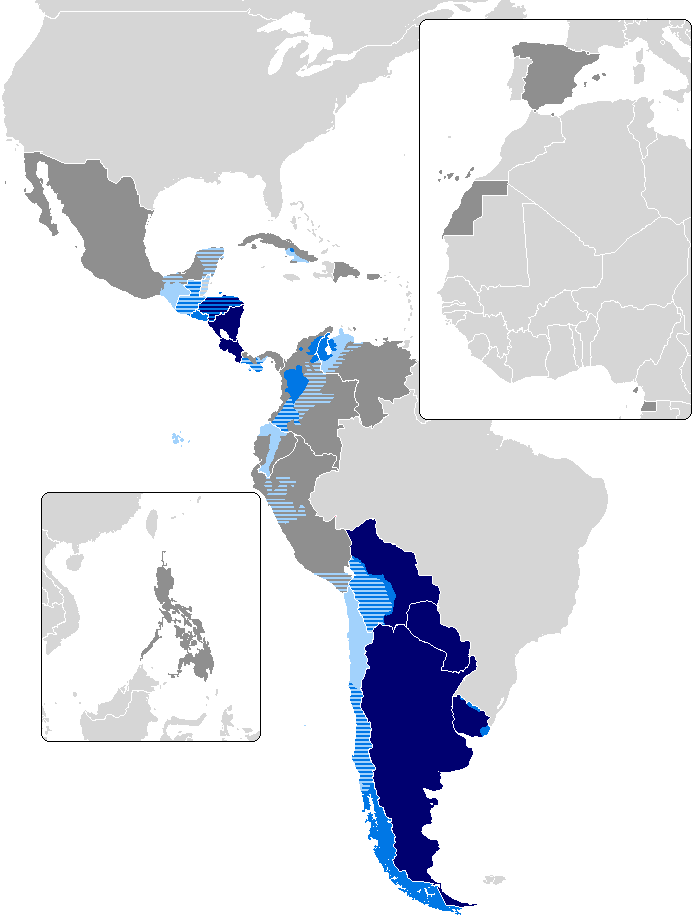
Costa Ricans, commonly known by the colloquial nickname ticos (and ticas for women), are the citizens of the Central American country Costa Rica. They form a multiethnic society in Central America whose members share a national identity more than a single ancestral background. The predominant language is Spanish, and everyday usage, customs, and public life reflect a strong sense of national cohesion.
Image gallery
10 Images




Ethnic composition
Costa Rican identity is commonly described as mixed rather than monocultural or monoracial. Many people trace ancestry to European settlers, indigenous peoples, and African and Asian immigrants. Historically used social categories include criollos, castizos, and mestizos, but contemporary descriptions emphasize diversity and blending.
- European-descended groups and mixed Europeans–indigenous descendants
- Afro-Caribbean and other Black communities, especially on the Caribbean coast
- Indigenous peoples with distinct languages and cultures
- Smaller Asian immigrant communities and families of varied origins
History and development
The population developed through waves of colonization, migration and local indigenous presence. Spanish colonial settlement established language and many institutions, while later movements — including labor migration from the Caribbean and Asia — shaped regional and cultural differences within the country. Over time, a national identity formed that emphasizes civic belonging rather than strict ethnic categorization.
Language, identity and society
Spanish is the dominant language, but regional dialects and minority languages persist. Costa Ricans typically prize education and social stability; the country is often noted for its long-standing democratic institutions and investments in public services. Many people prefer to describe their identity in national terms rather than by narrow ethnic labels.
Demographics and notable facts
According to official figures, the 2011 Census recorded a population of about 4,301,712 people. Contemporary estimates differ as populations change through births, migration and other trends. Costa Rica's relatively small population and high rates of literacy, urbanization and internal mobility contribute to its social dynamics.
Culture and public life
Costa Rican culture blends indigenous, European, Afro-Caribbean and immigrant influences in food, music, religious practice and celebrations. Typical cultural features include a strong family orientation, local festivals, and a national fondness for coffee, nature and environmental conservation. Visitors and scholars often note Costa Rica’s distinctive identity markers — from the informal use of tico to broad public support for education and biodiversity protection.
For further reading on language, social categories and census methodology, see national and scholarly sources linked below: Spanish language, national context, regional setting, country overview, criollos, castizos, mestizos, 2011 Census.
Related articles
Author
AlegsaOnline.com Costa Rican people (Ticos): Ethnicity, language, and cultural identity Leandro Alegsa
URL: https://en.alegsaonline.com/art/23340