
Manga: Japanese Comics — History, Styles, and Cultural Impact
Manga are Japanese comic books and graphic novels with distinctive art, formats, and genres. This article explains origins, production, reading conventions, major types, and why manga matters globally.
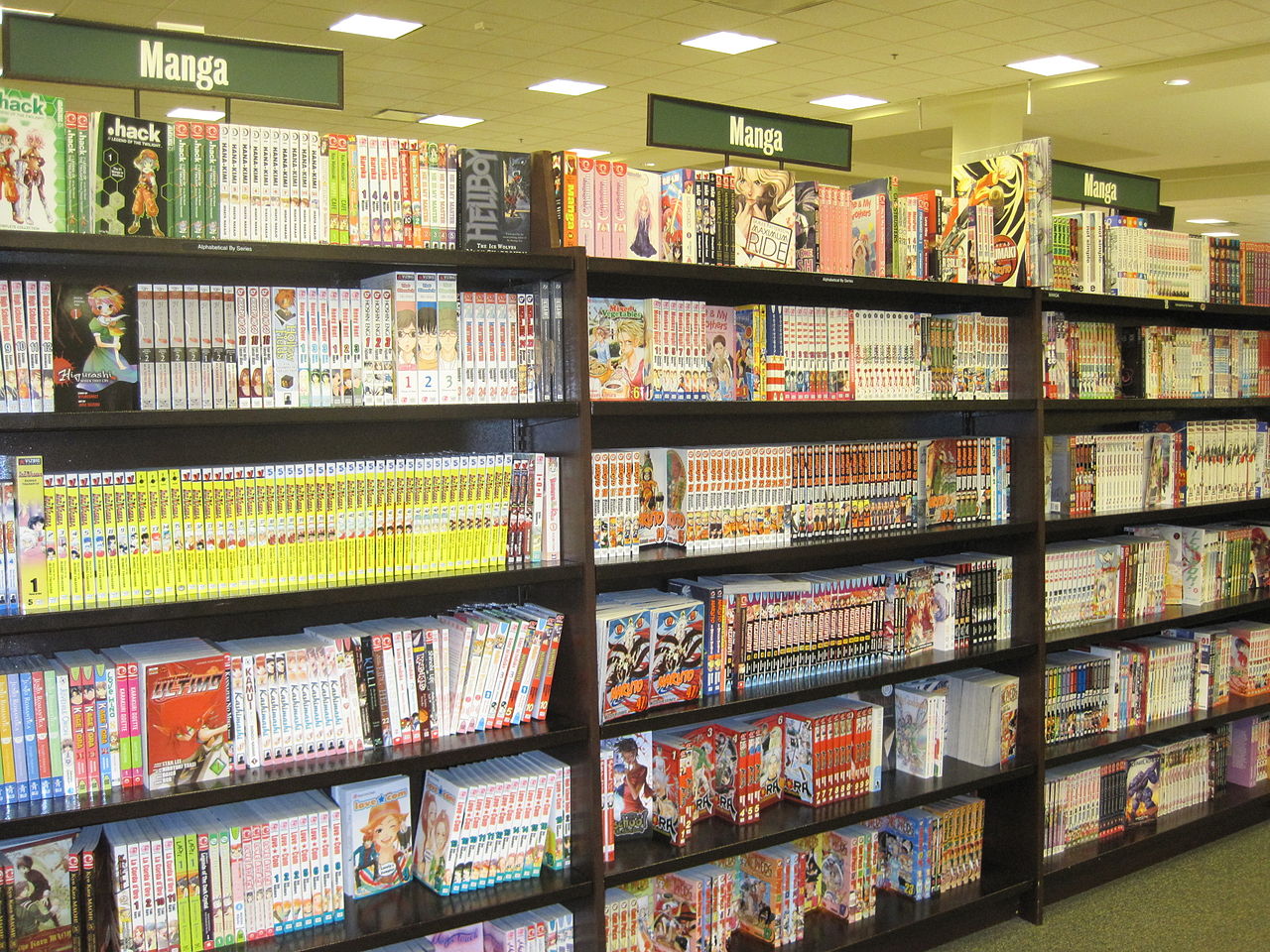
Manga (Japanese 漫画) refers to comics and graphic narratives created in Japan or in a style originating there. The term can denote a single volume or the medium in general: it is used both as a singular and a plural noun in English usage. Manga features a wide range of genres and tones, from short children's stories to long, complex epics aimed at adults. Many readers first encounter manga through print magazines, collected volumes, or digital releases.
Image gallery
10 Images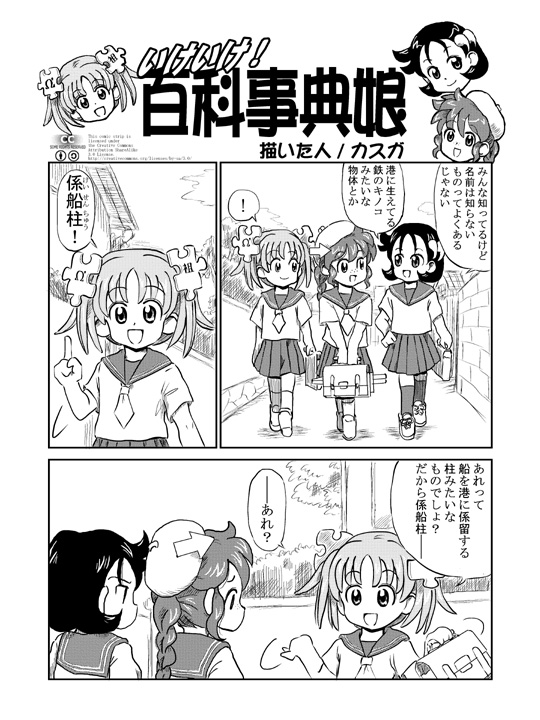




Characteristics and format
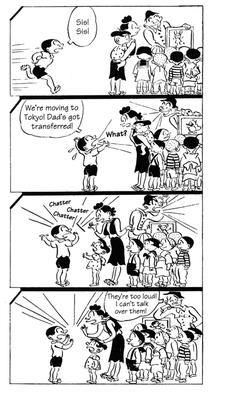
Traditional manga are drawn by a mangaka — a Japanese artist of comics — and are usually read from right to left. Visual conventions include expressive paneling, stylized character expressions, symbolic visual shorthand, and a strong emphasis on character design and sequential storytelling. Manga appears in several formats: serialized chapters in weekly or monthly magazines, standalone tankōbon collected volumes, and one-shot issues. Many serialized works later become animated adaptations or inspire other media.
History and development
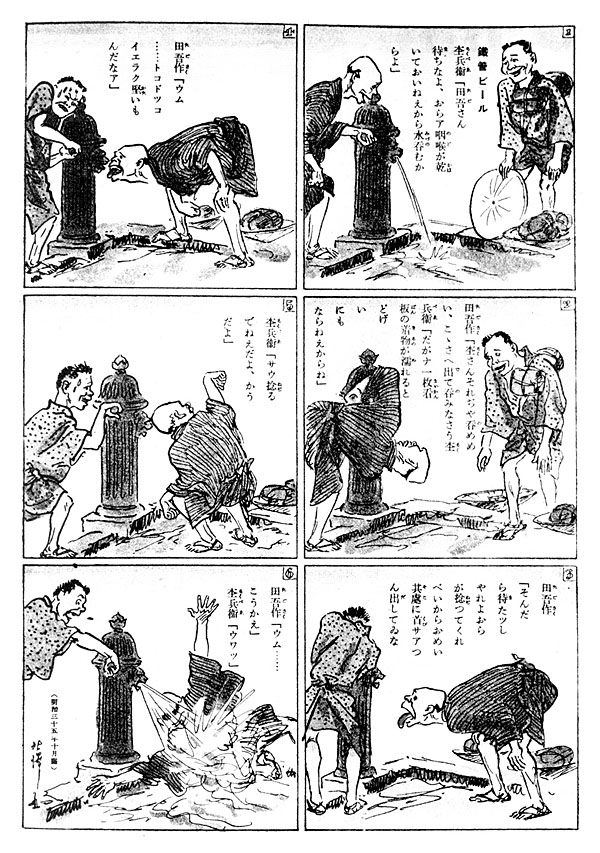
The roots of manga trace back to Japanese picture storytelling and sequential art traditions, with modern forms taking shape in the 20th century. After World War II, creators developed new narrative techniques and pacing that broadened manga's scope. Influential creators helped establish manga as a major cultural industry and guided its evolution into diverse demographic categories.
Genres, audiences, and examples
- Demographic categories: kodomo (children), shōnen (young boys), shōjo (young girls), seinen (young adult men), and josei (young adult women).
- Genres include action, romance, slice of life, horror, science fiction, sports, historical drama, and more.
- Many popular series are serialized in magazines before being collected; successful titles often lead to anime adaptations and multimedia franchises.
Production and circulation
A typical workflow begins with story planning and character sketches, continues through penciling and inking, and ends with lettering and page layout. Production may involve assistants who handle backgrounds, tones, and effects under the mangaka's direction. Manga is distributed in print and digitally; review, translation, and localization are common when works reach international markets.
Impact and notable distinctions
Manga has had a profound influence on global pop culture, shaping animation styles, storytelling approaches, and fan communities. Unlike many Western comics, manga often targets specific demographic groups and tells stories across long serialized arcs. The close relationship between manga and animated adaptations, merchandising, and fan practices contributes to its commercial and cultural significance. For basic definitions and historical notes see entries on Japanese comics and the concept of a comic book.
Further reading and resources are available through specialist sites and publishers; many articles and translated volumes help newcomers understand reading direction, common tropes, and how manga fits within contemporary media culture. For introductions to key creators and movements consult general overviews and curated collections online and in print.
Questions and answers
Q: What is manga?
A: Manga is a Japanese comic book.
Q: Who draws manga?
A: Manga is drawn by a mangaka, which is Japanese for cartoonist or artist of comics.
Q: In what direction is manga usually read?
A: Manga is usually read from right to left.
Q: Can the word manga be used for both singular and plural forms?
A: Yes, the word manga can be both singular and plural.
Q: What does manga mean?
A: Manga can mean both the medium of comics or a single comic.
Q: What is manga used for?
A: Manga is used to draw comics and develop Anime, which are animated cartoons of manga art.
Q: What is important in manga?
A: Colors and symbols are important in manga.
Related articles
Author
AlegsaOnline.com Manga: Japanese Comics — History, Styles, and Cultural Impact Leandro Alegsa
URL: https://en.alegsaonline.com/art/61278