
Ruby (gemstone)
Ruby is the red variety of corundum (Al2O3) colored by chromium; prized in jewelry and industry, with natural, treated and synthetic forms and several distinctive varieties.
Overview
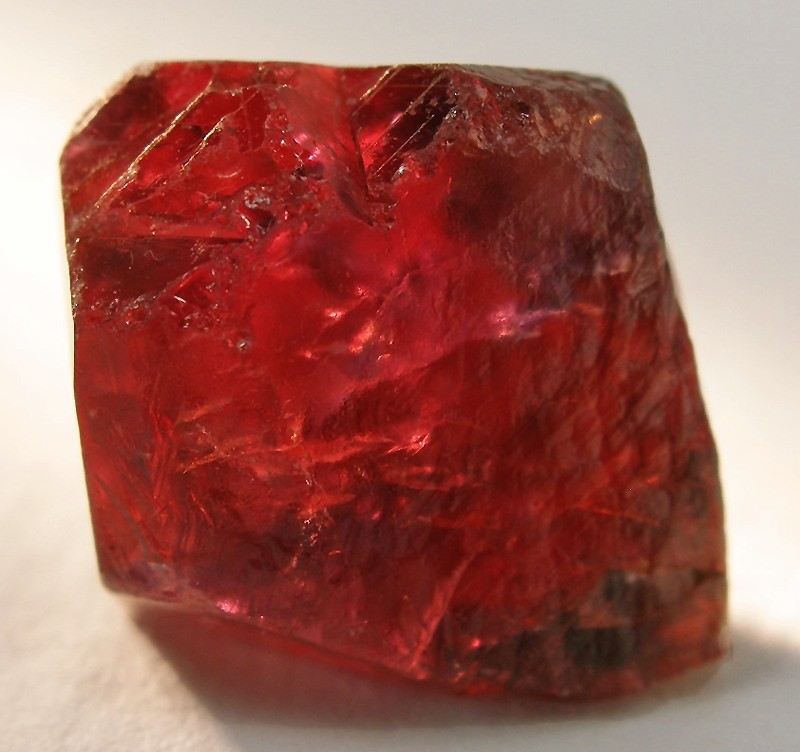
A ruby is the red variety of the mineral corundum, a crystalline form of aluminum oxide (Al2O3). When corundum acquires trace amounts of chromium, it absorbs certain wavelengths of light and appears red; other trace elements produce varieties such as blue sapphire. Rubies are commonly discussed alongside other precious stones like emerald and topaz.
Image gallery
10 Images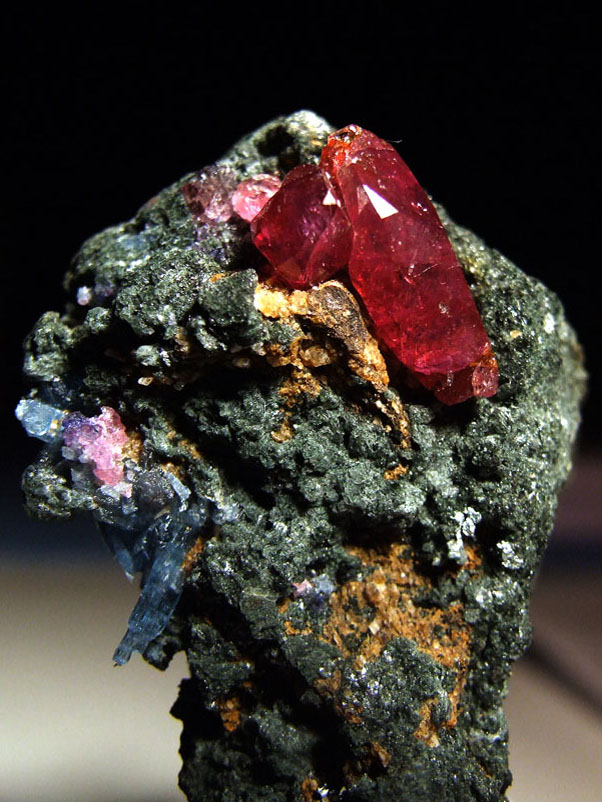




Characteristics and varieties
Rubies range from pinkish to deep, vivid red. The most valued hue is often described as "pigeon blood"—a saturated, slightly purplish red—though taste and market standards vary. Some important varieties and features include:
- Star rubies: display asterism—an apparent star—caused by microscopic needle-like inclusions aligned in the crystal.
- Pink rubies: lighter, often close in appearance to pink sapphires; terminology can depend on color intensity.
- Opaque vs transparent: transparency and the nature of inclusions strongly affect value.
Formation, sources and history
Rubies form in metamorphic rocks and in some igneous environments where aluminum-rich minerals have been chemically altered. Historically important sources include deposits in Myanmar, Sri Lanka and Thailand, with significant modern finds elsewhere. Rubies have been prized for millennia for their color and rarity and appear in many cultures' jewelry, regalia and symbolism.
Treatment, synthesis and imitation
Many rubies on the market have undergone treatments to improve color or clarity; common treatments include heat and fracture-filling. Synthetic rubies produced by methods such as flame-fusion or hydrothermal growth are widely available and share the same chemical composition as natural stones but differ in growth features. Common imitations include red glass, spinel and garnet; gemological testing (refractive index, inclusions, spectroscopy) helps distinguish them.
Uses, value and care
Rubies are primarily used in fine jewelry—rings, necklaces and brooches—and historically as talismans. Synthetic ruby also finds technical use in lasers and precision bearings. Value depends on color, clarity, cut and carat weight, with untreated, richly colored, transparent stones commanding the highest prices. For care, avoid sudden temperature changes, store separately to prevent scratching, and have valuable pieces examined by a qualified gemologist if treatment disclosure or origin matters.
Further reading and comparison
For those comparing gems, see discussions of corundum as the mineral family and consult gemological resources to understand grading, treatments and synthetic processes. Retail and scientific sources can clarify current market terminology and identification methods.
Related articles
Author
AlegsaOnline.com Ruby (gemstone) Leandro Alegsa
URL: https://en.alegsaonline.com/art/84590
Sources
- mindat.org : "Ruby at Mindat"