
Corsica — Mediterranean island of France
Corsica is a mountainous Mediterranean island and territorial collectivity of France, known for rugged landscapes, distinctive culture and language, historic towns such as Ajaccio, and popular tourism.
Overview
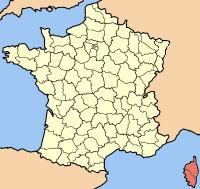
Corsica is the fourth largest island in the Mediterranean Sea, ranking after Sicily, Sardinia and Cyprus. It lies to the west of Italy, southeast of France and north of Sardinia. Politically, Corsica is a territorial collectivity and part of the French Republic; its institutions and status are administered within the framework of France.
Image gallery
10 Images





Landscape and environment
The island is noted for a stark contrast between a rugged, mountainous interior and a varied coastline of cliffs, coves and sandy beaches. Granite peaks and high plateaus give way to scented maquis shrubland, pine forests and freshwater rivers. These factors create habitats for endemic plants and diverse bird and marine life, and they shape the island's outdoor activities, from hiking to sea sports.
History and identity
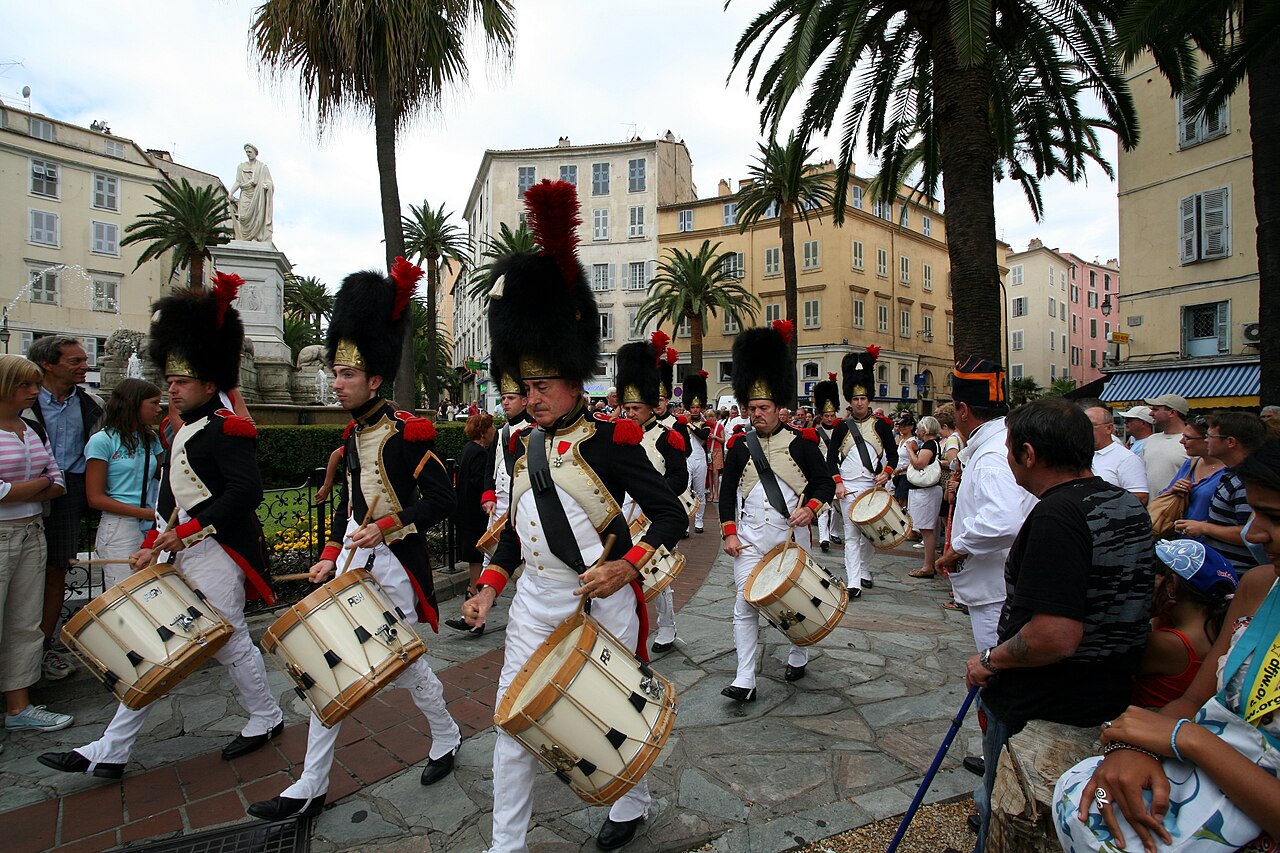
Corsica has a layered history of indigenous communities and external rule, including periods under Genoese and brief independent governments before being transferred to France in the 18th century. The island is widely known as the birthplace of Napoléon Bonaparte (born in Ajaccio in 1769), a fact that figures prominently in cultural memory and tourism. Corsican language and traditions remain strong alongside French, contributing to a distinct regional identity.
Economy, culture and tourism
Tourism is a major economic driver, focused on scenery, beaches, historic towns and outdoor routes such as the long-distance GR20 hiking trail. Agriculture and small-scale pastoralism support local products—cheeses, cured meats, chestnuts and wines—that feature in regional cuisine. Music, festivals and artisanal crafts emphasise the island's cultural heritage.
Practical highlights
- Notable towns and ports: Ajaccio (Napoléon’s birthplace), Bastia, Calvi and Porto-Vecchio, each offering access to beaches, historic centers and ferry links.
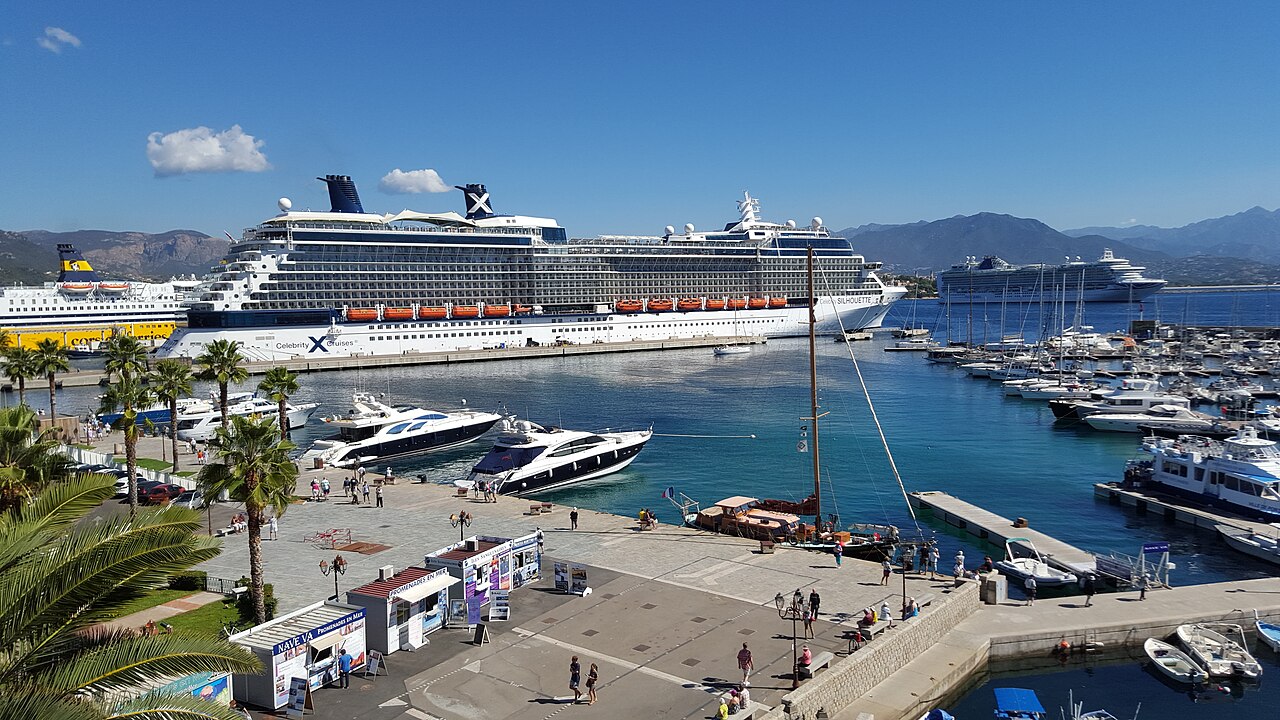
- Transport: ferries connect Corsica with mainland France and Italy; several regional airports serve seasonal and year-round flights.
- Outdoor activities: hiking (notably the GR20), sea-kayaking, diving and climbing are popular across the island’s varied terrain.
Distinctive facts
Corsica combines strong local traditions with modern tourism and French administration. Its dramatic geography, vocal cultural life and culinary specialties make it one of the Mediterranean’s most recognisable islands, visited for both short breaks and extended outdoor adventures.
Questions and answers
Q: Where is Corsica located?
A: Corsica is located west of Italy, southeast of France, and north of the island of Sardinia.
Q: What is Corsica known for?
A: Corsica is known for its tourist attractions and as the birthplace of Napoléon Bonaparte.
Q: How big is Corsica compared to other Mediterranean islands?
A: Corsica is the fourth largest island in the Mediterranean Sea after Sicily, Sardinia, and Cyprus.
Q: Is Corsica part of France?
A: Yes, Corsica is one of the administrative regions of France.
Q: What other islands are near to Corsica?
A: The island of Sardinia lies just north of Corsica.
Q: Who was born in Corsica?
A: Napoléon Bonaparte was born in Corscia.
Q: What kind of attractions does it have for tourists?
A: It has many tourist attractions including beaches, mountains, forests and historical sites.
Related articles
Author
AlegsaOnline.com Corsica — Mediterranean island of France Leandro Alegsa
URL: https://en.alegsaonline.com/art/23249
Sources
- lu1960.blogspot.com : Italian Corsica