
Côte-d'Or: department of eastern France and Burgundy wine region
Côte-d'Or is a department in eastern France centered on Dijon, known for its Burgundy vineyards, historic towns, cultural heritage and a mixed economy of agriculture, industry and tourism.
Overview
Côte-d'Or (literally "Slope of Gold") is an administrative department in eastern France created during the French Revolution. The name evokes both the golden colours of the hills in autumn and the historic value of its vineyards; further information on the name can be found on the name origin page. It is one of the departments of metropolitan France and part of the Bourgogne-Franche-Comté region; see the departmental overview and the regional page for context, or consult more on the region.
Image gallery
10 Images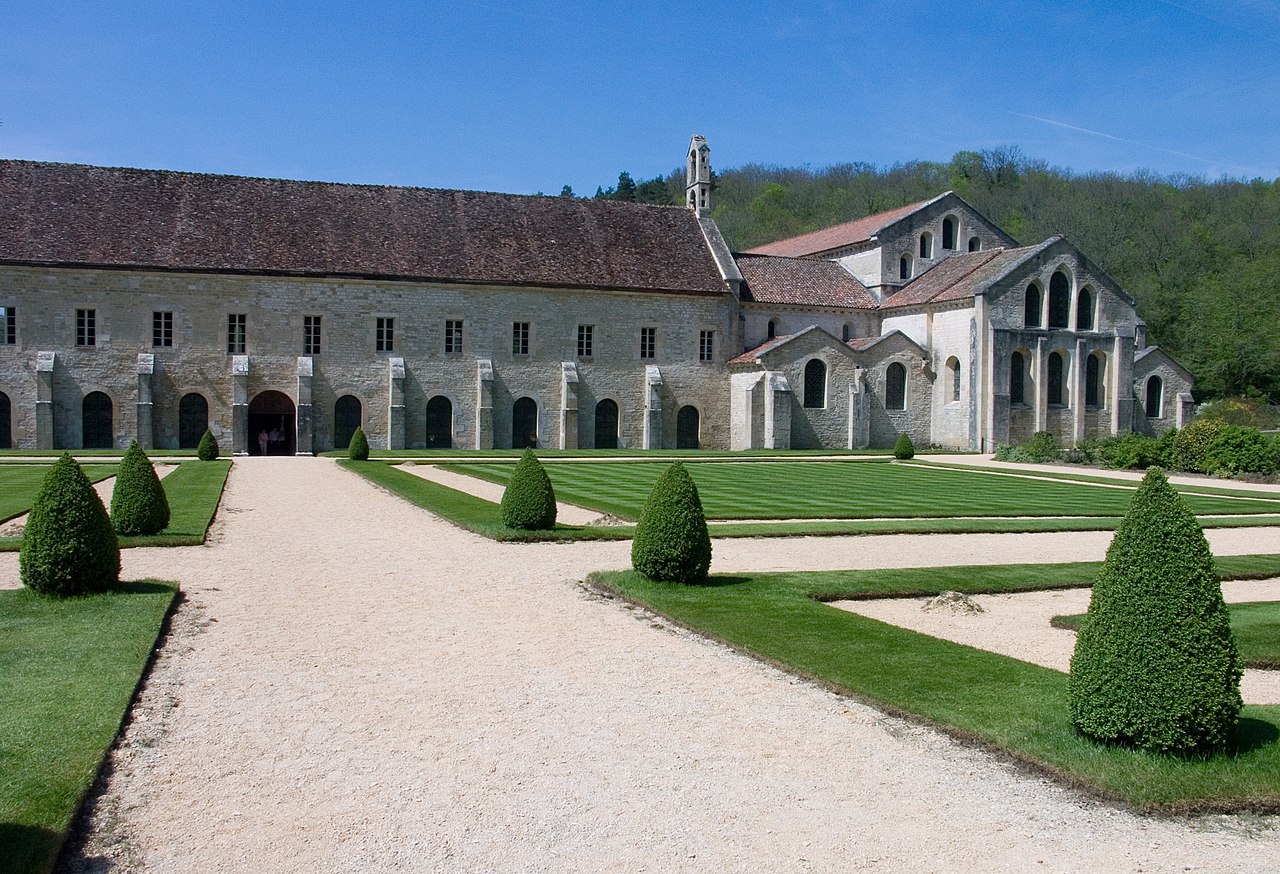


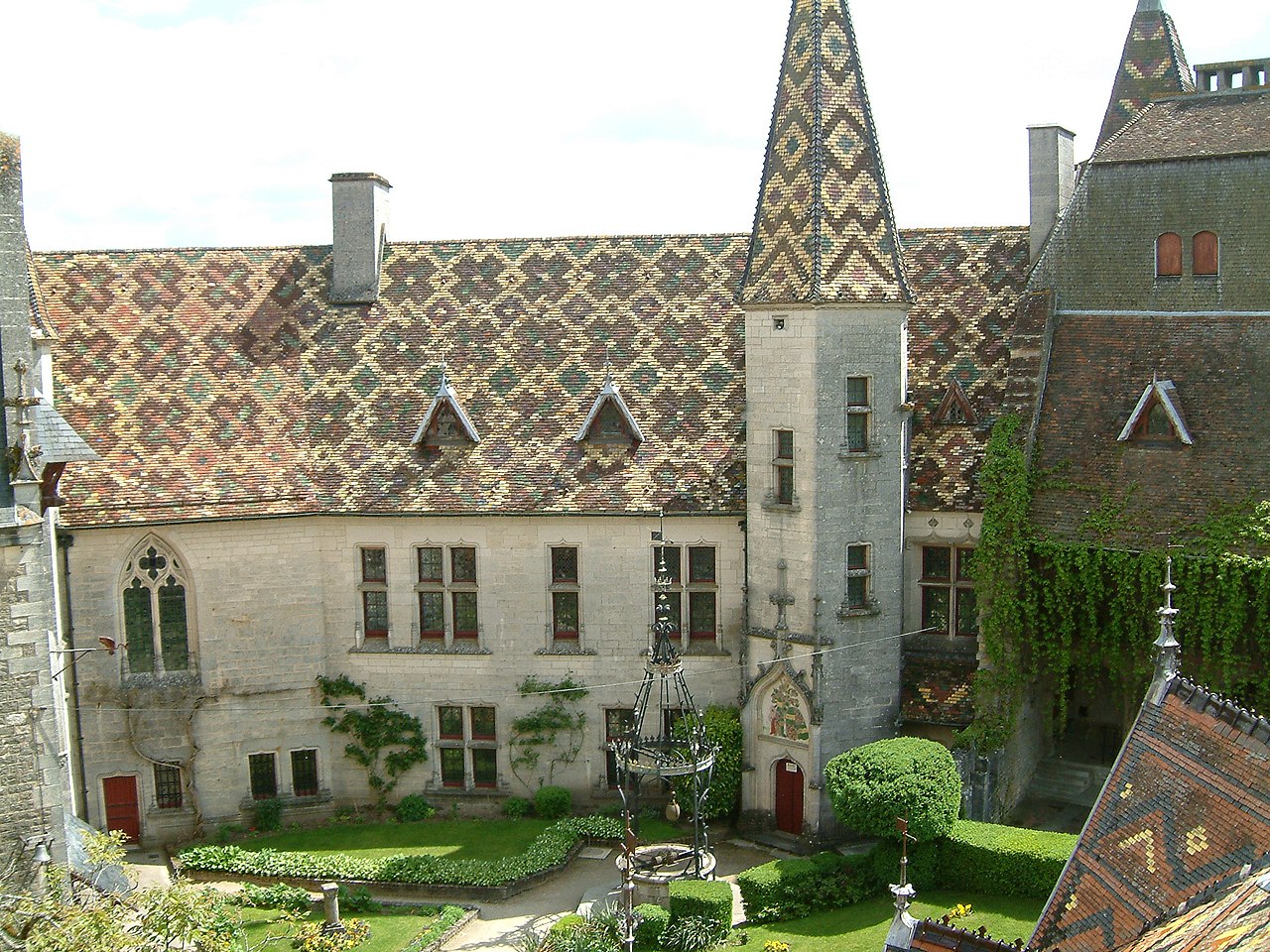


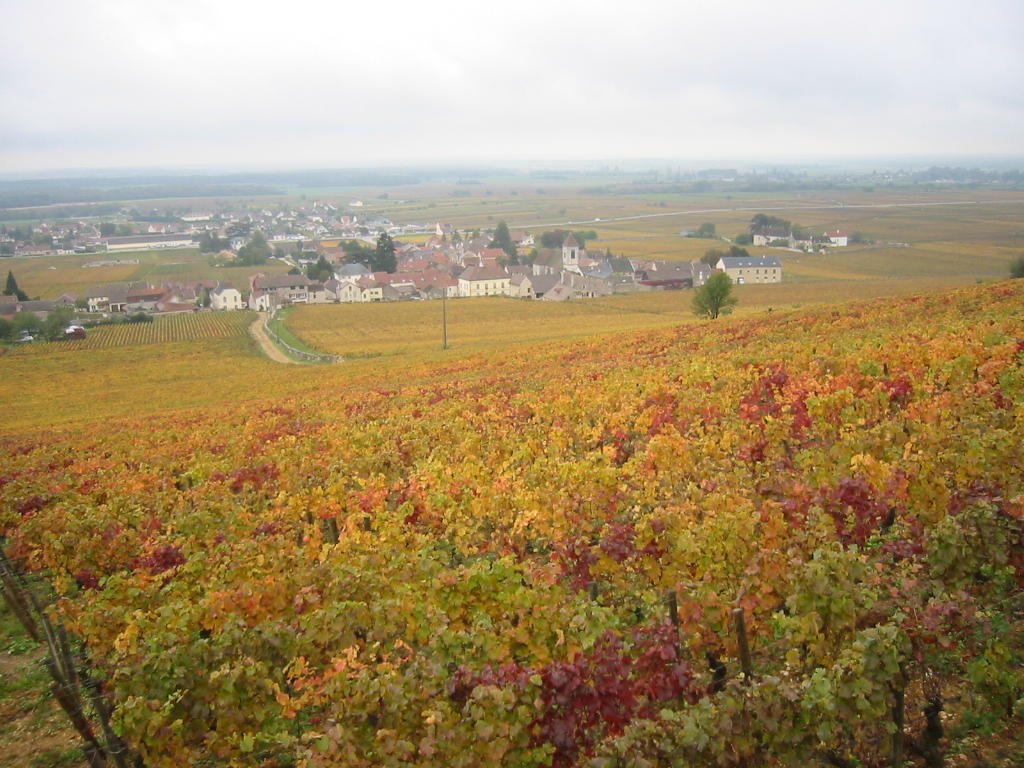

Geography
The department includes rolling limestone hills, forested plateaux and river valleys. The eastern slope, overlooking the Saône plain, is particularly suited to vines; inland are mixed farms, woodlands and small industrial zones around larger towns. Rivers and secondary roads link agricultural communes with the administrative centres and cross-department connections support trade and travel.
History and administration
Côte-d'Or was established in 1790 as part of the reorganisation of France into departments. Its prefecture and principal city is Dijon, which serves as the administrative centre and cultural hub; the city is referenced on general pages such as prefecture and the municipal capital entry. The departmental council and municipal authorities share responsibility for local services, cultural programmes and economic development.
Economy and agriculture
The economy combines viticulture, mixed agriculture, food processing, light manufacturing and a growing service sector. Tourism linked to wine, historic sites and regional cuisine is important. Local markets and cooperatives play a long-standing role in distributing produce and supporting small producers.
Viticulture and wine
Côte-d'Or contains two principal vineyard belts, the Côte de Nuits and the Côte de Beaune, that produce renowned red and white Burgundies from Pinot Noir and Chardonnay. The landscape of small vineyard plots and the system of climats are part of the region's identity; parts of the vineyard area are recognised in the UNESCO inscription for the "Climats and wines of Burgundy". Wine production here is structured by appellations and long-established practices of vine cultivation, harvest and cellar ageing.
Culture, heritage and tourism
The department preserves medieval and Renaissance architecture, religious monuments, châteaux and traditional rural dwellings. Dijon offers museums, historic streets and gastronomic institutions; Beaune is noted for its wine commerce and the Hospices de Beaune. Annual festivals, markets and culinary events attract visitors throughout the year and support local cultural life. For information about Dijon and visitor services see general pages such as Dijon and Dijon information.
Transport and settlements
A network of roads and regional rail services connects the department to neighbouring areas. Urban centres provide administrative services, education and health care, while many smaller communes retain agricultural and artisanal activities. Seasonal tourism increases traffic to wine villages and cultural sites.
Notable places and distinctions
- Dijon — departmental prefecture, historical centre and economic hub.
- Beaune — traditional wine market town and cultural landmark.
- Côte de Nuits and Côte de Beaune — principal wine-producing belts noted for high-quality Burgundies.
- Rural châteaux, abbeys and village ensembles that illustrate local history.
Côte-d'Or remains widely recognised for its combination of administrative importance, cultural heritage and viticultural landscapes. Visitors and residents find a mix of urban amenities, agricultural tradition and protected landscapes that contribute to the department's identity within Bourgogne-Franche-Comté.
Questions and answers
Q: What is Côte-d'Or?
A: Côte-d'Or is a department in eastern France. It was one of the 83 first French departments made during the French revolution and one of the eight departments of the Bourgogne-Franche-Comté region.
Q: What is the prefecture (capital) of Côte-d'Or?
A: The prefecture (capital) of Côte-d'Or is Dijon.
Q: What are the inhabitants of this department called?
A: The inhabitants of this department are called Costaloriens (women:Costaloriennes) or Côte d'Oriens (women:Côte d'Oriennes).
Q: Where is Côte-d'Or located?
A: Côte-d'Or is located in eastern France.
Q: How many departments were created during the French Revolution?
A: During the French Revolution, 83 departments were created.
Q: What region does Cote d’or belong to?
A:Cote d’or belongs to Bourgogne Franche Comté region.
Q:What does “Cote d’or” mean literally ?
A:Literally, "Cote d’or" means "Slope of Gold" or "Golden Slope".
Related articles
Author
AlegsaOnline.com Côte-d'Or: department of eastern France and Burgundy wine region Leandro Alegsa
URL: https://en.alegsaonline.com/art/23352
Sources
- cotedor.fr : "Le Président du Conseil Départemental"
- insee.fr : "Département de la Côte-d'Or (21)"
- insee.fr : "Populations légales 2014: Recensement de la population - Régions, départements, arrondissements, cantons et communes"
- habitants.fr : "Côte-d'Or (21)"
- splaf.free.fr : "Historique de la Côte-d'Or"
- cotedor.fr : "Côte-d'Or "la bien nommée""
- peakbagger.com : "Mont de Gien, France"
- source-seine.fr : "A l'origine"
- weatherbase.com : "Dijon, France - Köppen Climate Classification"
- insee.fr : "Département de la Côte-d'Or (21)"
- insee.fr : "Régions, départements, arrondissements, cantons et communes"
- insee.fr : "Département de la Côte-d'Or (21)"
- legifrance.gouv.fr : "Décret n° 2014-175 du 18 février 2014 portant délimitation des cantons dans le département de la Côte-d'Or"