
Côte‑Nord (Quebec region)
Côte‑Nord is a vast, sparsely populated administrative region on Quebec’s northern shore of the St. Lawrence, known for boreal wilderness, resource industries, coastal communities and whale-watching.
Overview
Côte‑Nord (French for "Northern Coast") is one of Quebec’s largest administrative regions by land area, covering approximately 247,627.06 km² (95,609.34 sq mi). It occupies a long stretch of coastline on the north side of the Saint Lawrence River estuary and the Gulf of Saint Lawrence past Tadoussac, and combines coastal lowlands, islands and extensive inland boreal and subarctic landscapes. The region is sparsely settled: the 2006 census recorded about 95,911 residents, giving Côte‑Nord one of the lowest population densities in southern Quebec.
Image gallery
10 Images



Geography and environment
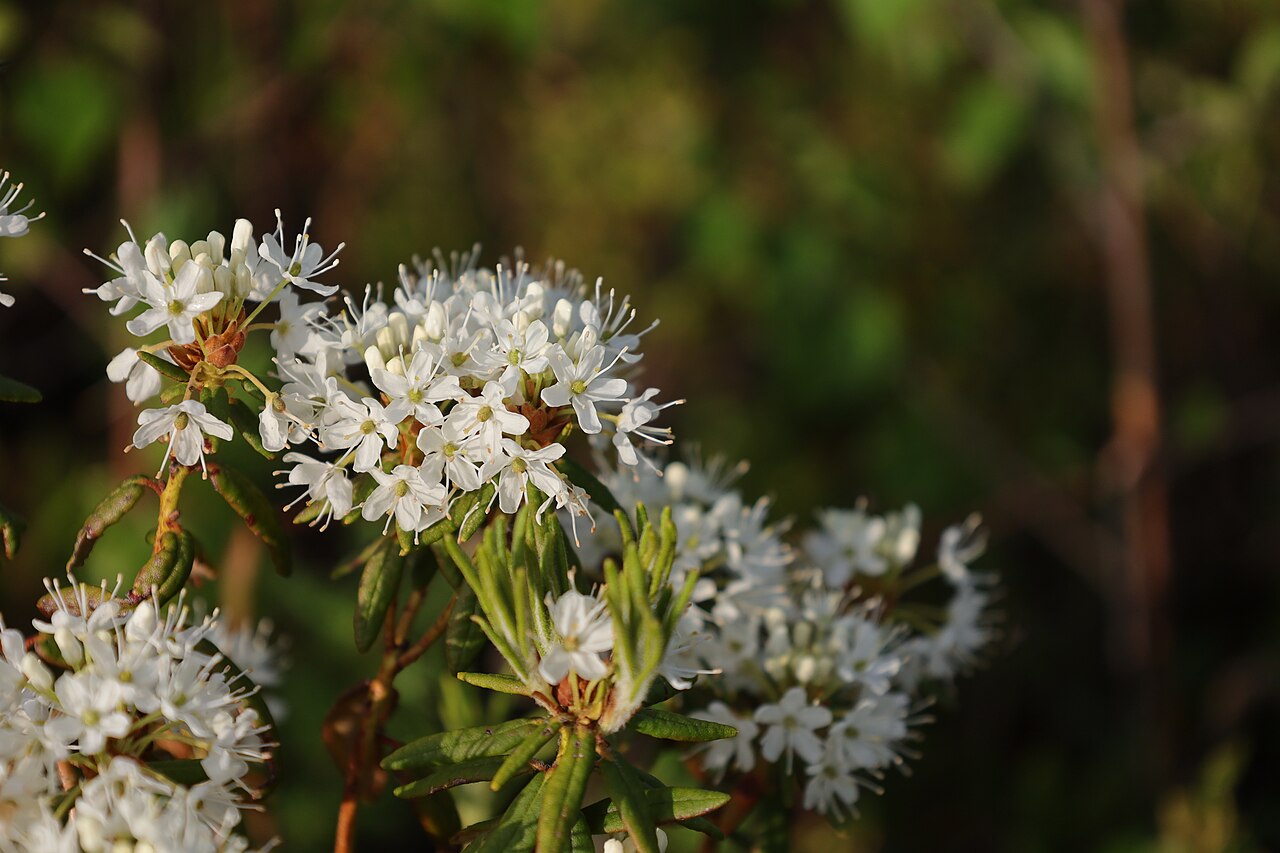
The landscape alternates between rocky headlands, coastal archipelagos and vast forested interiors. Important physical features include the Mingan Archipelago off the coast and the Manicouagan reservoir and crater farther inland. Winters are long and cold, while summers are short and cool near the coast; maritime influence moderates temperatures along the shoreline. The region supports boreal forest, wetlands and tundra in its far northern reaches, and it is home to wildlife such as caribou, black bears, seals and several whale species in the Saint Lawrence, including belugas.
Communities and access
Major population centres include Sept‑Îles, Baie‑Comeau, Tadoussac and Havre‑Saint‑Pierre, each serving as local economic or service hubs. Many smaller villages and Indigenous communities — prominently Innu nations — are scattered along the coast and inland. Road access is concentrated along the Route 138 corridor that links a string of coastal towns; however, there remain long stretches where ferry service, seasonal roads or air travel are required to reach more remote settlements.
Economy and infrastructure
The economy rests largely on natural resources: forestry, commercial fishing, mining (notably iron ore around Sept‑Îles), and large hydroelectric developments on rivers such as the Manicouagan and Outardes. Ports at Sept‑Îles and Baie‑Comeau support shipping and industry. Tourism also contributes, with activities like whale‑watching near Tadoussac, birding in the Mingan Islands and outdoor recreation in provincial and national protected areas.
History and cultural notes
Indigenous peoples, especially the Innu, have lived in the region for millennia and continue to maintain cultural and economic ties to the land. European contact intensified from the 16th and 17th centuries onward; Tadoussac is noted as one of the earliest European trading and settlement points on the Saint Lawrence. Contemporary Côte‑Nord reflects this layered history, with francophone coastal towns, Indigenous communities, and infrastructure projects that shaped development in the 20th century.
Notable facts and further reading
- Large-scale hydroelectric and mining projects are central to modern economic life.
- Wildlife watching—especially whales in the St. Lawrence—draws visitors each summer.
- Although vast in land area, the population remains small and concentrated in a few towns.
For pronunciation and basic naming, see Côte‑Nord (pronunciation). Official area figures and measurements are summarized at area data. This region is an administrative part of Quebec in Canada. The coastline borders the Saint Lawrence River and its estuary, and extends into the Gulf of Saint Lawrence. Population figures from past enumeration can be found via the 2006 census.
Related articles
Author
AlegsaOnline.com Côte‑Nord (Quebec region) Leandro Alegsa
URL: https://en.alegsaonline.com/art/23353