
Conyza canadensis (Canadian horseweed)
A widespread annual/winter-annual herb in the Asteraceae family, known as Canadian horseweed or marestail; common in disturbed sites and notable as a wind-dispersed, sometimes herbicide‑resistant weed.
Overview
Conyza canadensis, commonly called Canadian horseweed, Canadian fleabane or marestail, is a herbaceous plant in the family Asteraceae. It is treated in botanical literature under the genus Conyza and historically has appeared as Erigeron canadensis in older sources; many regional floras and a species page provide further nomenclatural details (see species entry). The plant is valued in ecology textbooks as a model of a disturbance‑adapted species and is widely recognized in temperate regions.
Image gallery
10 Images



Characteristics
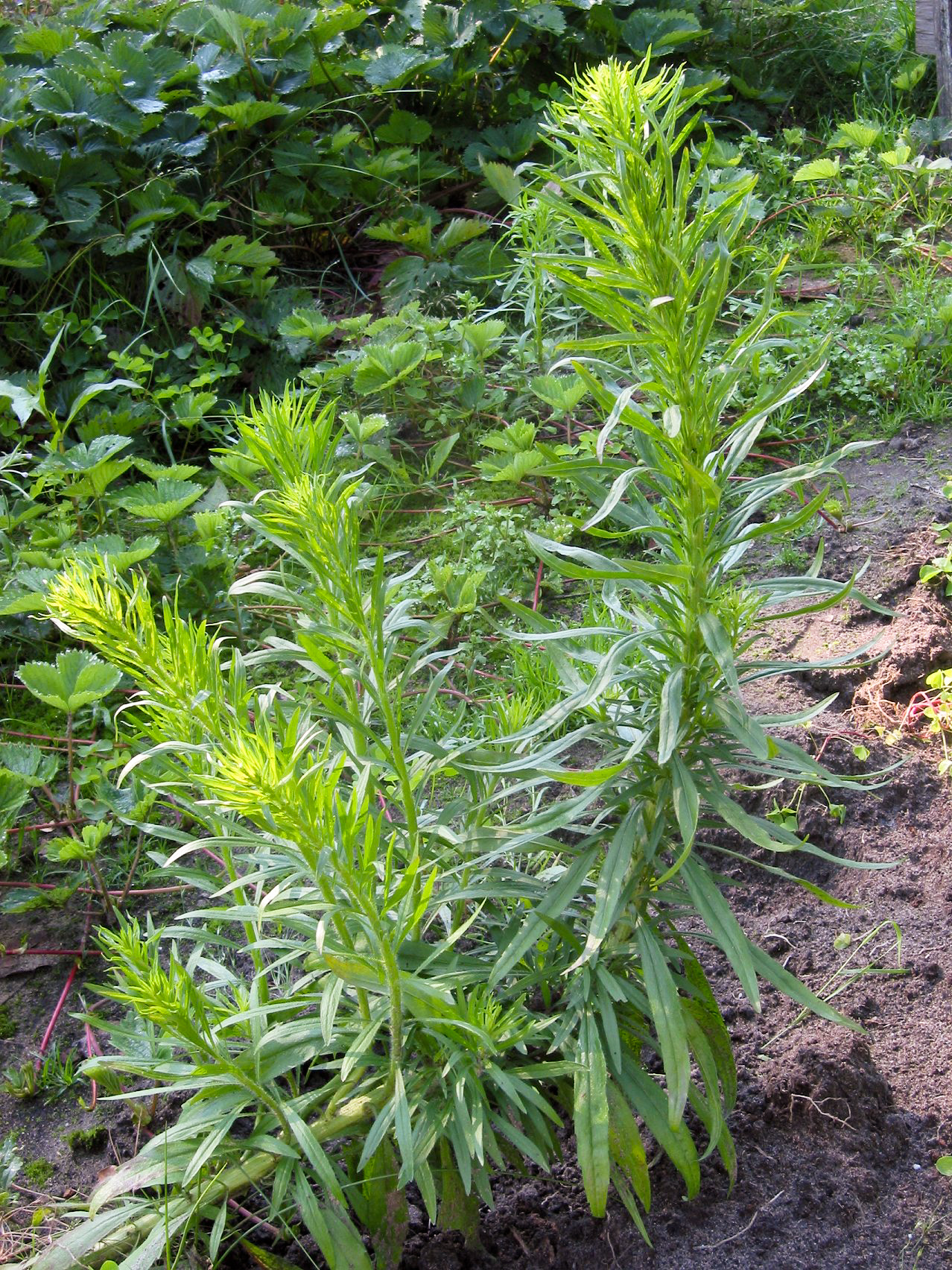
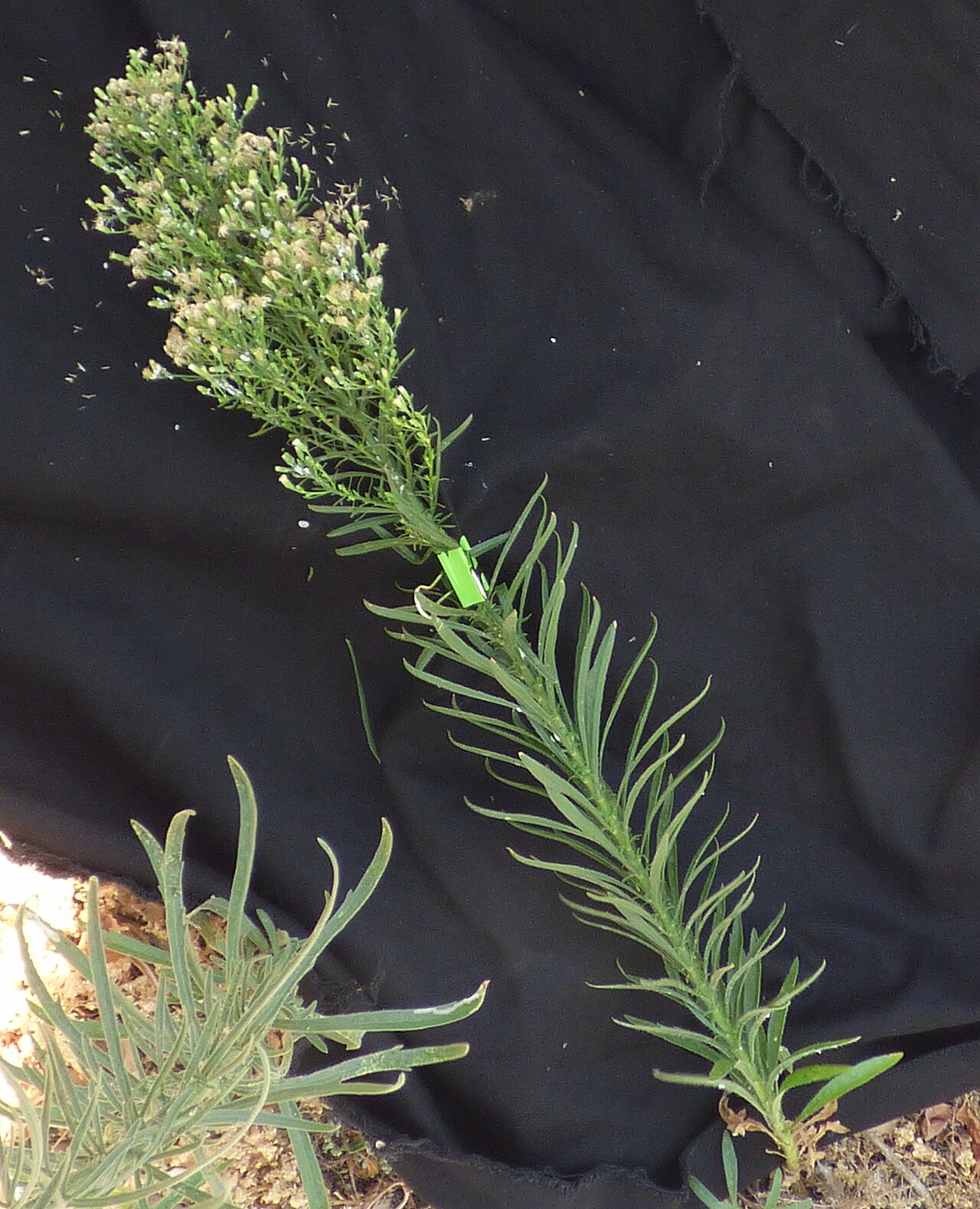
Canadian horseweed is usually an annual or winter‑annual with a erect, branched stem that may arise from a basal rosette in its first year. Plants produce many small composite flower heads in loose panicles; individual florets are tiny and often white to pale pink or cream, giving a hazy appearance when masses flower. Reproduction is by numerous tiny achenes equipped with a fluffy pappus, enabling long‑distance wind dispersal. Mature height varies with site conditions, commonly forming slender plants from low rosettes to tall stems.
Distribution and habitat
Native to large parts of North America and parts of Central America, the species has become naturalized far beyond its original range, including records in Alaska and many island floras. It favors open, disturbed ground such as prairies, agricultural gardens, fields, roadsides and riparian edges. Flowering typically occurs in the warmer months; regional guides note a main bloom period from summer into early autumn (bloom time).
Ecology and agricultural importance
As a pioneer on disturbed soils, Conyza canadensis colonizes compacted or bare ground and can produce dense stands. Its windborne seeds disperse readily, allowing rapid range expansion after disturbance. The species has gained attention from farmers and weed scientists because some populations have evolved resistance to commonly used herbicides, complicating control in arable crops and orchards. Management studies and extension resources discuss mechanical, cultural and chemical strategies to reduce seed return.
Uses, confusion and notable facts
Although not a major crop plant, horseweed has traditional uses recorded in ethnobotanical summaries and has been studied for secondary compounds and essential oils in pharmacological surveys. It is often confused with other small Asteraceae in the field; careful examination of the stem hairiness, flowering panicle and seed pappus helps distinguish it from look‑alikes. For regional identification keys and additional habitat notes consult local floras and databases (taxonomic resources, regional records, species entry).
Related articles
Author
AlegsaOnline.com Conyza canadensis (Canadian horseweed) Leandro Alegsa
URL: https://en.alegsaonline.com/art/22859