
Corm (plant): an underground, modified stem used for storage and regrowth
A corm is a swollen, underground plant stem that stores nutrients and supports seasonal dormancy. It differs from bulbs, tubers and rhizomes and is important for propagation, food crops and ornamental plants.
Overview
A corm is a short, vertical, swollen stem that functions as a storage organ in many perennial plants. Corms allow a plant to survive unfavorable conditions by storing carbohydrates and nutrients, and they serve as the source of new shoots and roots when growth resumes after a period of dormancy or hibernation. Unlike fleshy bulbs, which are formed mainly from layered leaf bases, corms are composed predominantly of stem tissue with a basal plate from which roots emerge.
Image gallery
7 Images



Structure and development
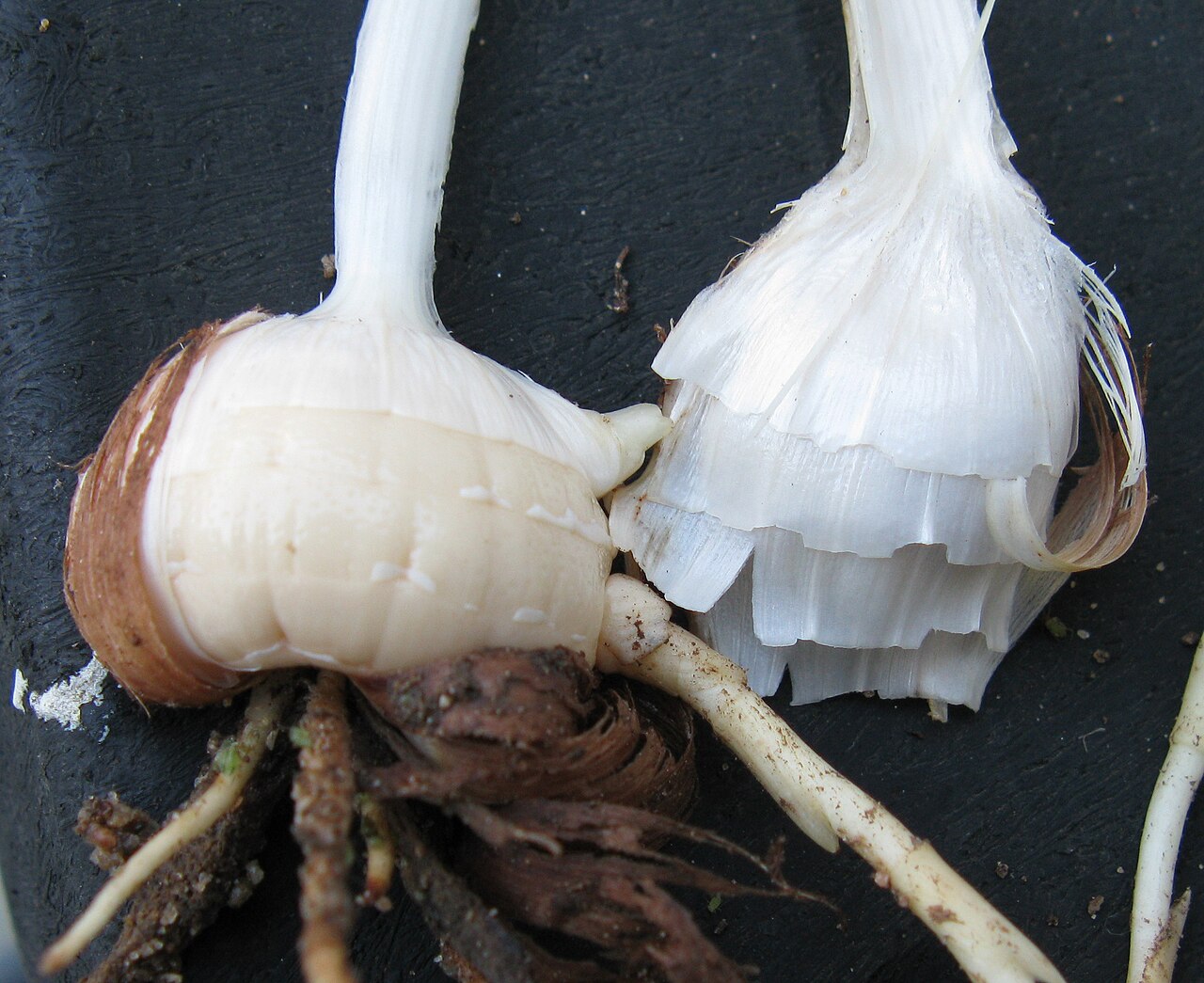
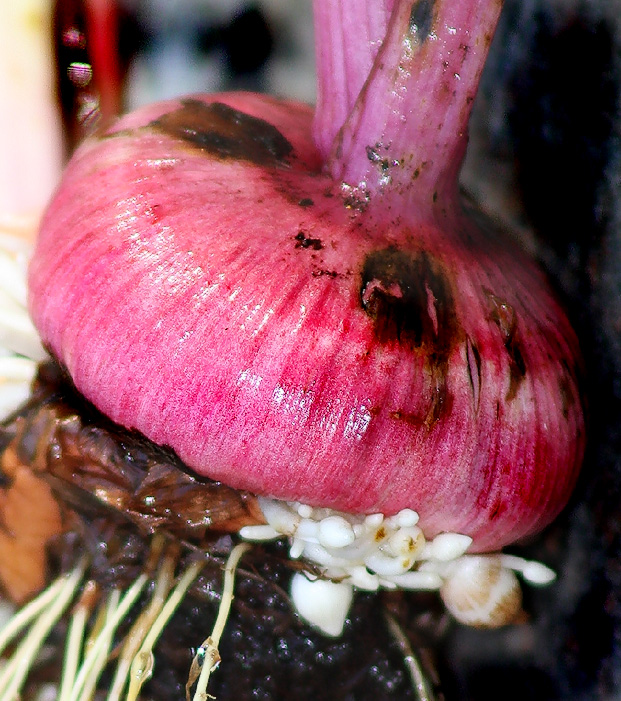
Typical corm anatomy includes a compact body of stem tissue, a basal plate at the bottom that produces roots, and one or more buds (growing points) on the upper side that give rise to shoots. Many corms are covered by a protective tunic made of dried leaf sheaths. With each growth cycle a plant may produce a replacement corm on top of the old one, or the original corm may enlarge. Some species generate small secondary corms or "cormels" around the parent corm, which can later separate and grow independently.
Ecological role and seasonal behaviour
Corms are a common adaptation among geophytes—plants that survive seasonal stress by retreating to an underground storage organ. During the growing season, photosynthesis replenishes the corm’s reserves; during drought or cold, the aerial parts die back while the corm maintains the plant’s viability. In some plants, multiple buds or lateral stolons sprout and produce new shoots, leading to clumping or fragmentation of the original corm.
Uses, cultivation and propagation
Corms are important both horticulturally and agriculturally. Gardeners cultivate cormous plants for ornamental flowers (for example, many crocuses and gladiolus) and producers grow certain corms for food. A well-known food example is taro, whose edible corms are a staple in parts of Asia and the Pacific. Horticultural propagation is commonly achieved by lifting corms during dormancy and dividing them: separating replacement corms or cormels and replanting them is a straightforward method to propagate these species.
Distinctions and notable facts
- Corm vs. bulb: Bulbs (onions, tulips) are made mostly of fleshy leaf bases; corms are stem tissue.
- Corm vs. tuber: Tubers (potato) are enlarged stems or roots with many buds across their surface, while corms are compact and have a single dominant growing point.
- Corm vs. rhizome: Rhizomes are elongated horizontal stems that spread underground; corms are vertical and more hemispherical.
Practical considerations
When handling corms for storage or planting, it is advisable to work when the material is dormant, to ensure disease-free conditions and to allow small cormels to mature before replanting. Soil drainage, appropriate planting depth and seasonal timing influence successful establishment. For gardeners and farmers alike, recognizing a corm and distinguishing it from other underground structures helps with correct care and propagation practices.
For more detailed botanical definitions and horticultural guides, see resources on stem morphology and geophyte cultivation: stem anatomy, storage organs, dormancy strategies, seasonal growth, stolon formation, propagation techniques and specific crop pages such as taro.
Related articles
Author
AlegsaOnline.com Corm (plant): an underground, modified stem used for storage and regrowth Leandro Alegsa
URL: https://en.alegsaonline.com/art/23099
Sources
- efloras.org : "Musa in Flora of North America @ efloras.org"