
General store
A small-town retail shop offering a wide mix of everyday goods and services; historically a rural hub for supplies, social contact, and local trade.
Overview
A general store is a retail business that stocks a broad assortment of everyday items for local customers. Traditionally found in rural areas, villages and small towns, these shops provided a convenient single location to buy food staples, household items, work supplies and other necessities. In many places the general store was synonymous with the village shop and served multiple functions beyond retailing: banking, postal services and informal news exchange are common examples in historical accounts. For more on small-community retail traditions see community store resources and broader descriptions at local commerce overviews.
Image gallery
10 Images
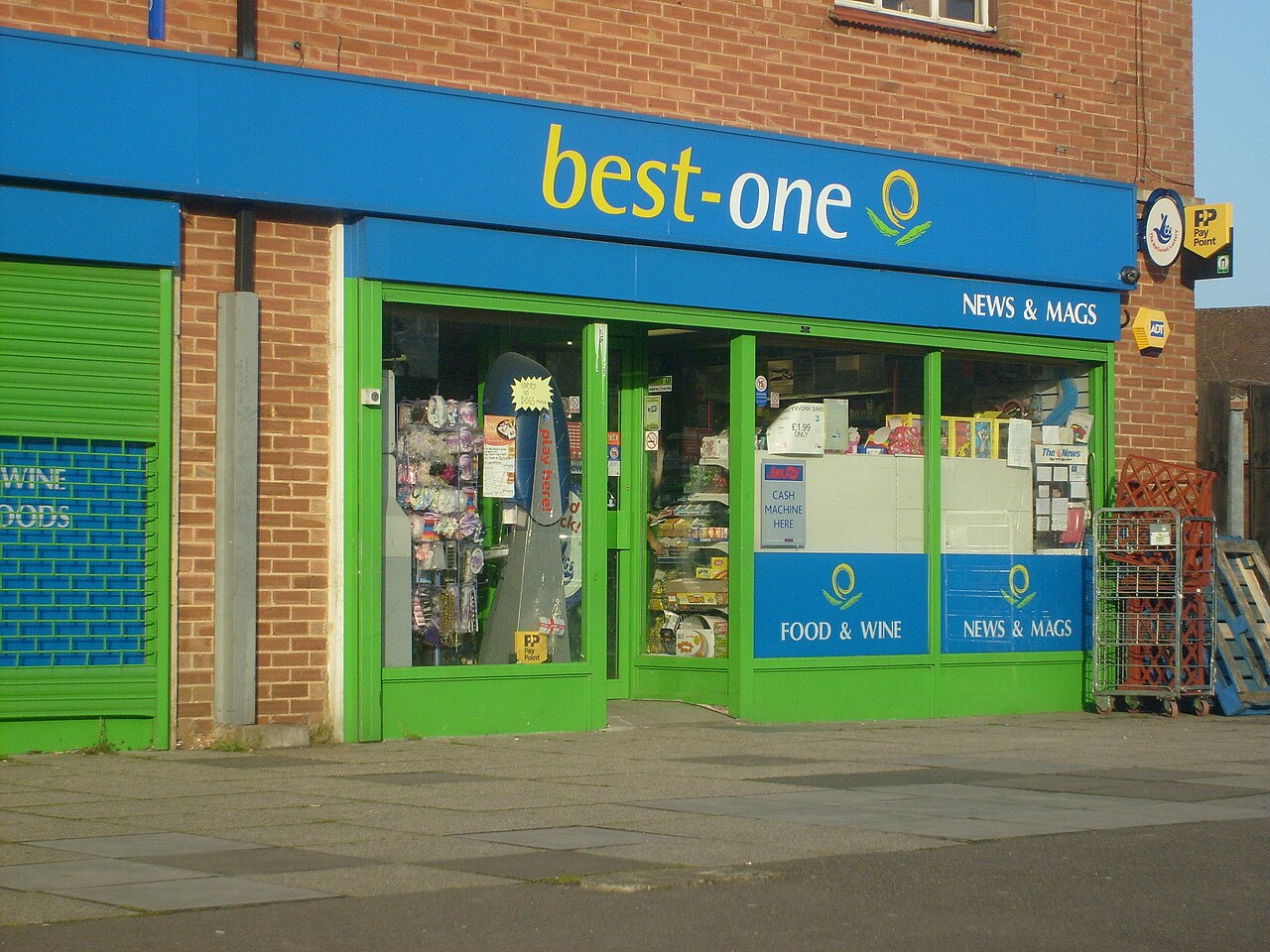

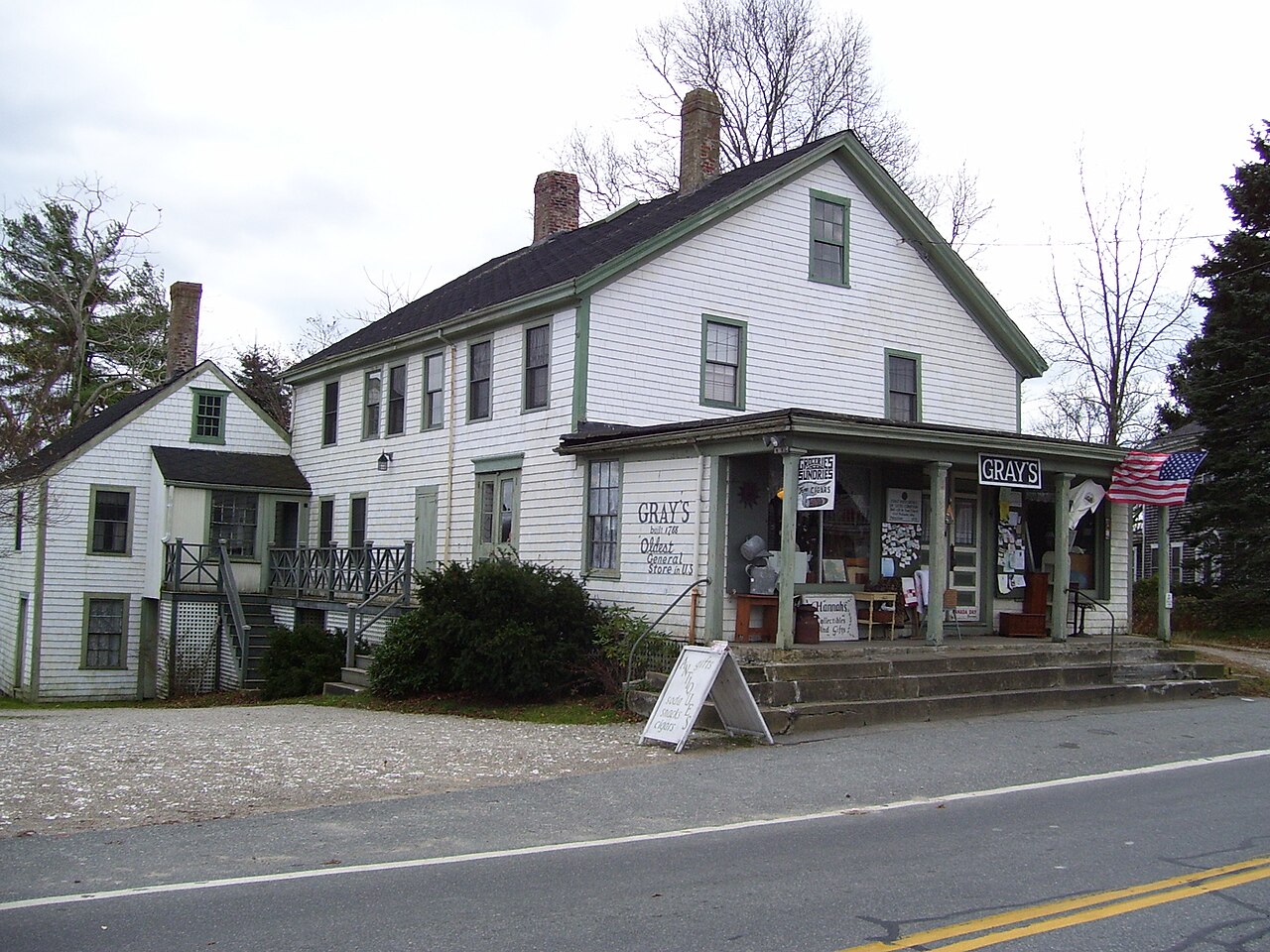


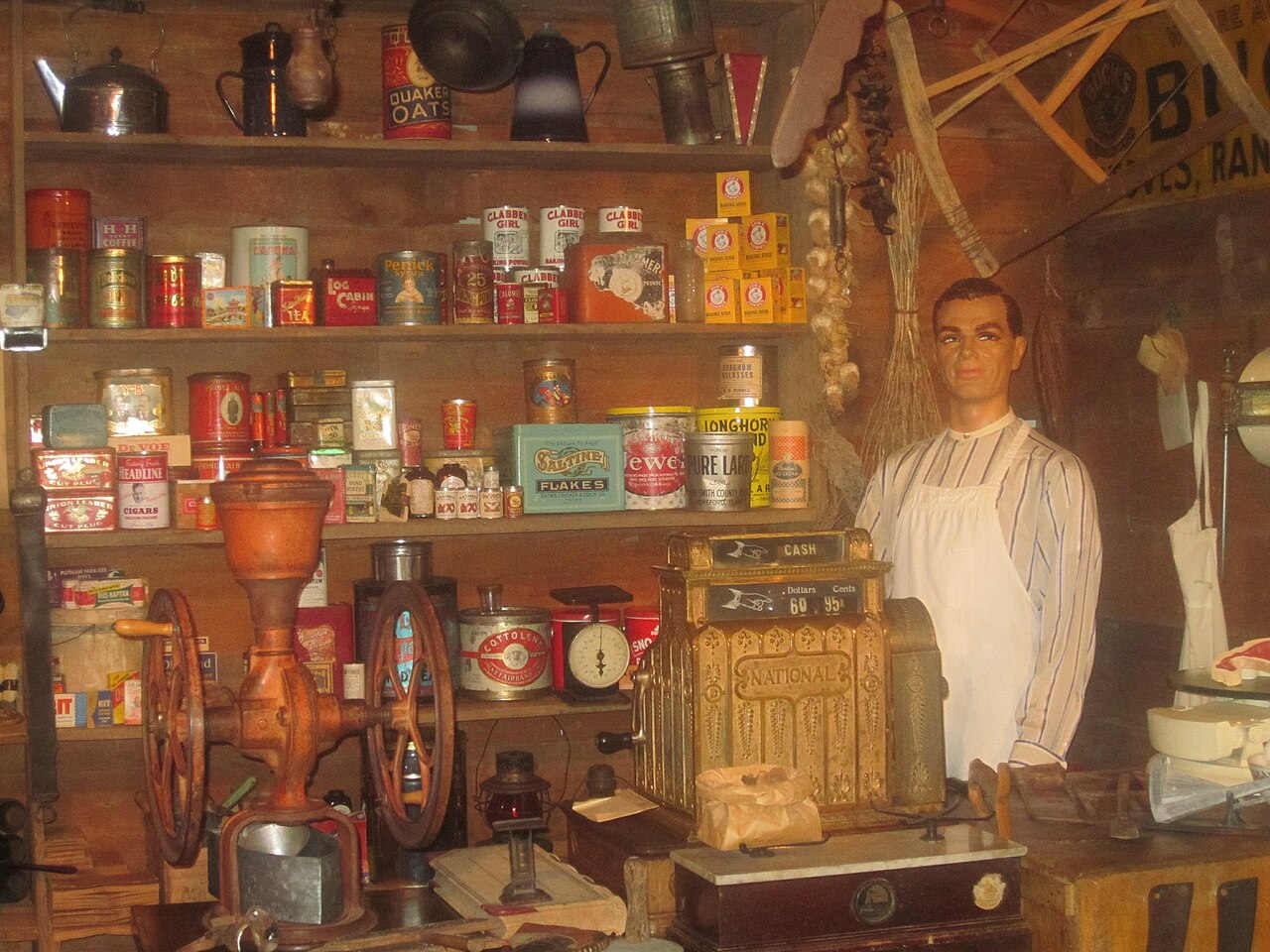


Typical goods, layout and services
Stock varies by region and era, but common categories include groceries such as milk and bread, canned and dry goods, simple hardware, farm supplies, household cleaning products and basic clothing or textiles. Many general stores mixed bulk goods with specialty items tailored to local needs. The interior was often compact, with shelves and counters arranged to maximize display in a small footprint. Typical offerings can be explored further at references about food staples like dairy and bakery items and common provisions such as bread and staples. Hardware and tools are another frequent category; see hardware and home supplies.
History and development
The concept of a single, multipurpose outlet for a settlement’s needs has deep roots in pre-industrial and early industrial societies. In many countries the village shop served as an early form of general provisioning before modern distribution networks and supermarkets took hold. Over time, transportation improvements and urbanization changed retail patterns, concentrating commerce in larger towns and creating specialized shops and large retailers that compete with, and often displace, small general stores. Historical summaries and community histories provide context at rural history sources and studies of urban expansion at urbanization analyses.
Social role and local importance
Beyond selling goods, general stores frequently functioned as meeting places where neighbors exchanged news, posted notices and maintained social ties. Owners often extended informal credit, acted as hubs for local information and sometimes offered additional services such as mail pickup, bill payment or equipment repair. These non-commercial roles made the store an important node in the daily life of a community; modern descriptions and case studies are available through community commerce studies.
Modern variations and legacy
Although many traditional general stores declined with the rise of supermarkets and big-box retailers, versions persist: heritage shops that emphasize local produce and crafts, convenience stores that combine new supply chains with local service, and co‑operative or internet-supported rural outlets. Preservation efforts and small-business initiatives sometimes revive or adapt the model to contemporary needs, blending historical character with modern payment, inventory and ordering systems.
Distinctions and notable facts
Key distinctions separate a general store from specialized retailers: breadth of stock rather than depth, centrality to a small community rather than high footfall, and a tendency to combine retail with informal services. In many regions the general store remains a cultural symbol of local self-reliance and of a slower, community-oriented pace of life. For comparative studies and practical guidance on small-shop operation consult the links above and local business resources referenced earlier.
Author
AlegsaOnline.com General store Leandro Alegsa
URL: https://en.alegsaonline.com/art/37965