
Rural area: definition, characteristics, history and importance
A rural area, or countryside, is a low-density inhabited landscape outside towns and cities. This article explains features, types, history, everyday uses and how rural differs from urban areas.
Overview
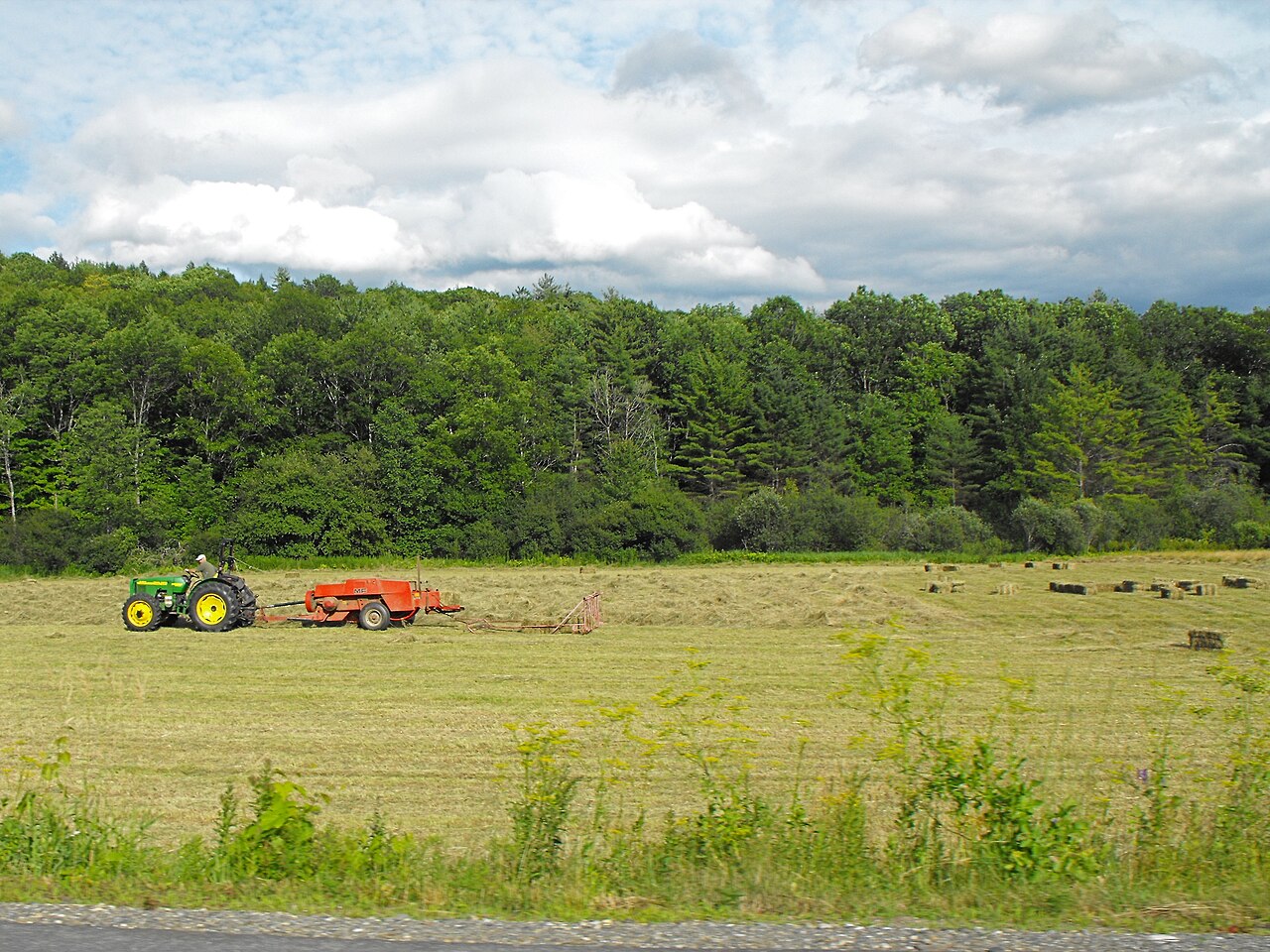
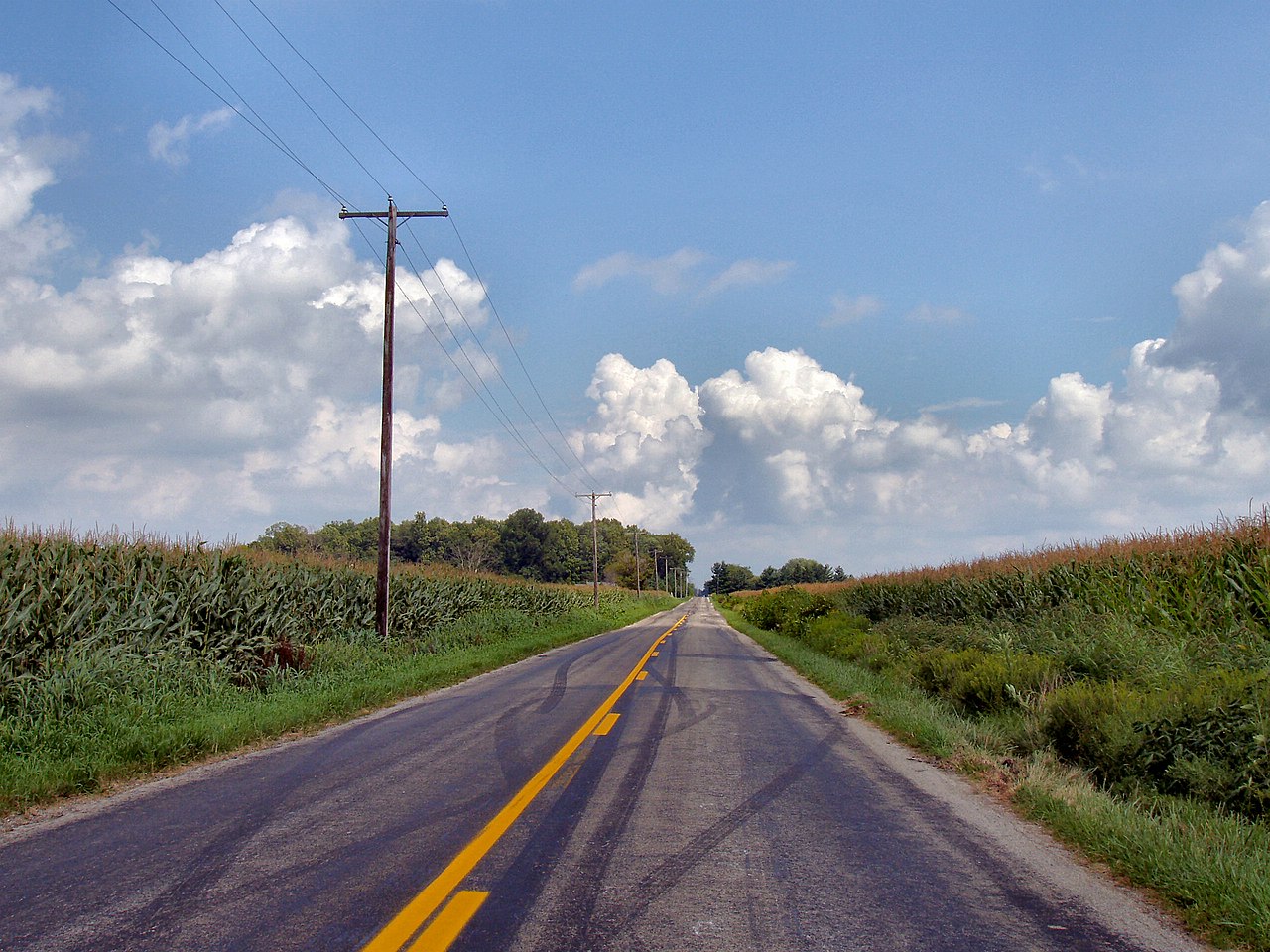
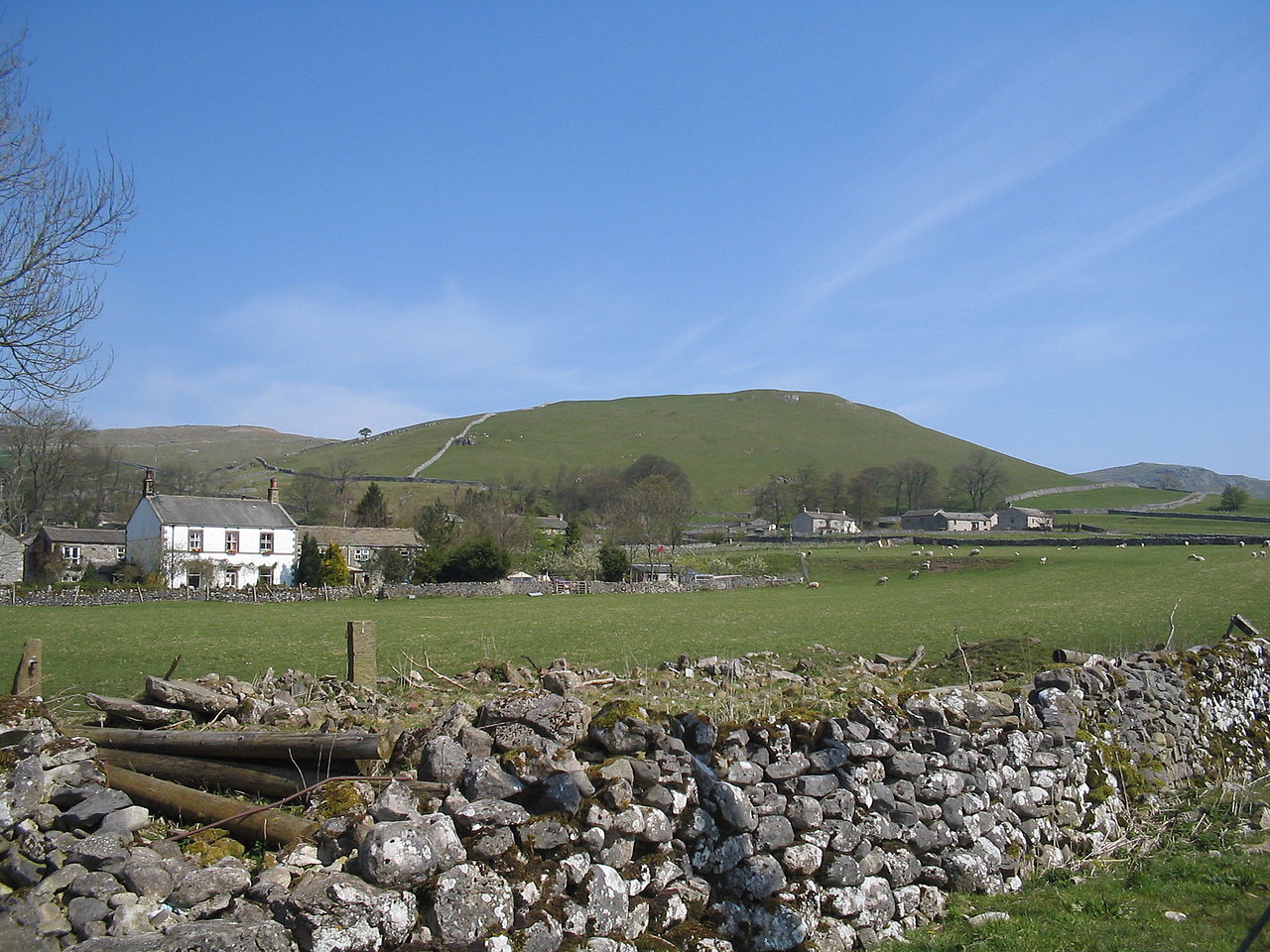
A rural area is a part of the landscape where human settlement is relatively sparse and land use is dominated by open space, agriculture, forestry or natural habitats. Rural places are commonly referred to as the countryside and contrast with denser human settlements such as towns and cities. People in rural zones may live in small clusters like hamlets and villages, or in isolated homesteads with considerable distance between dwellings.
Image gallery
10 Images





Key characteristics
Several features distinguish rural areas from urban ones. Population density tends to be low; built infrastructure such as roads and buildings is more dispersed; and economic activity often centers on primary production — farming, ranching, fishing or forestry — rather than industry or services. Rural landscapes frequently include a mixture of cultivated fields, pastures, woodlands and natural ecosystems that provide habitat and ecosystem services.
Types of rural landscapes
- Agricultural (cropland and orchards)
- Pastoral (grazing lands and rangeland)
- Forested (timber production and conservation areas)
- Remote or wilderness regions with very low human presence
History and development
Human settlement began in rural settings long before large urban centers emerged. Over centuries technological, economic and social changes have reshaped rural life: enclosure and agricultural innovation, the rise of industrial towns, mechanization, and modern transport and communications. The balance between rural and urban populations has shifted over time as people moved for work, but rural areas remain essential for food production, cultural traditions and biodiversity.
Uses, benefits and recreation
Rural areas supply food, raw materials and environmental functions such as water filtration and carbon storage. They also support recreation and leisure: many urban residents travel to the countryside for recreation, camping, or short breaks during holidays. Rural settings often provide quieter scenery, opportunities for outdoor pursuits and stronger connections to seasonal cycles.
Distinctions and notable facts
In planning and statistics, definitions of "rural" vary by country and purpose. The term is commonly presented as the complement to urban. Some national statistical offices use population density, settlement size or land-use criteria to classify areas; for example, specific thresholds—such as a particular number of people per square mile—may be applied in different places, including examples from the United States and Angola. Policy for services like health, transport and broadband often treats rural places differently because of distance and lower densities.
Notable considerations: rural areas are diverse in form and function; they face both opportunities (local food markets, tourism, renewable energy) and challenges (aging populations, access to services, economic transitions). Understanding the variety of rural settings helps inform planning, conservation and community development.
Related articles
Author
AlegsaOnline.com Rural area: definition, characteristics, history and importance Leandro Alegsa
URL: https://en.alegsaonline.com/art/84771