
Consecration: Religious Dedication of People, Objects, and Places
Consecration is the formal dedication of persons, objects, or places to a sacred purpose. This article explains meanings, rites, historical development, varieties across traditions, and related terms.
Overview
Consecration is the formal act of setting apart a person, an object, or a building for a sacred function. In many faiths this involves a public rite, prayers, and symbolic gestures that declare the subject dedicated to religious service or worship. For example, the opening ceremony of a new church is commonly called a consecration of a building, and it marks the structure's permanent use for worship rather than ordinary secular activities (dedication).
Image gallery
4 Images
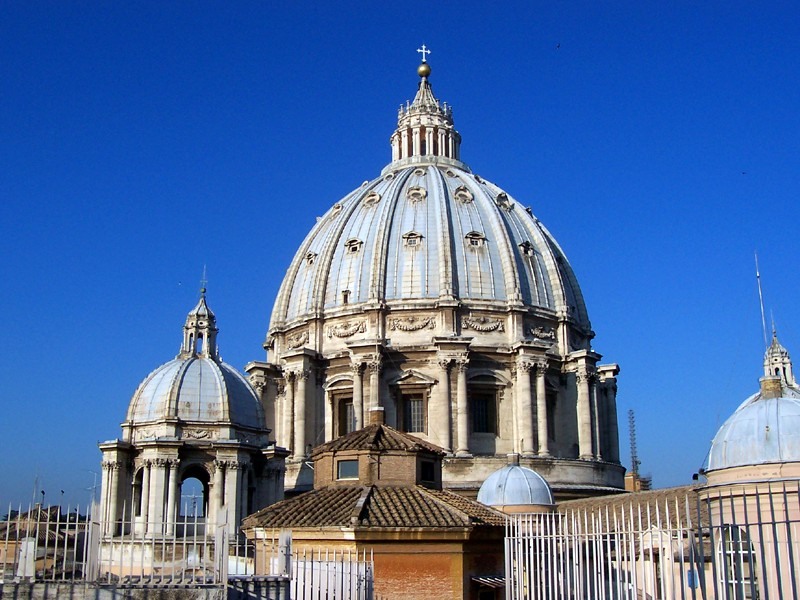


Meanings, words, and opposite actions
To perform the act is to consecrate, and what has been set apart is described as consecrated. A close synonym is sanctification, while the deliberate violation of what is sacred is called desecration. The reverse process — removing a sacred designation so an item or place may be used for ordinary purposes — is often called deconsecration or secularization. Churches, altars, and objects may be deconsecrated when no longer required for worship.
Who and what can be consecrated
Consecration applies to several categories. Religious leaders are commonly consecrated through ordination rites: the appointment of priests or ministers and, in many traditions, the formal consecration of a bishop (bishop). Entire lifestyles are also consecrated in the phrase consecrated life, used for those who enter religious orders such as monks or nuns. Objects (chalices, vestments) and spaces (churches, shrines) are consecrated so they may be used in ritual and worship.
Ritual forms and functions
Ritual elements differ between traditions but often include prayer, anointing, blessing, invocation of the divine, and symbolic actions such as sprinkling with water or the placing of relics. In some communities the consecration of a person grants a specific ecclesiastical role with legal and spiritual responsibilities; in others it is primarily a communal recognition of devotion.
Historical and denominational variations
Consecration has deep historical roots across religions and developed different emphases over time. In Christianity the term has been applied in Roman Catholic, Eastern Orthodox (Orthodox), Anglican and many Protestant contexts. Practices differ: for example, in Catholic and Orthodox churches priestly ordination has historically been limited to men (priests), while many Protestant denominations (Protestant) now allow women to be ordained and to serve in leadership roles. The Church of England (Church of England) and movements associated with Liberal Christianity have supported women's consecration to episcopal and priestly ministry. Other bodies, such as the Southern Baptist Convention, maintain traditional restrictions and a more conservative approach.
Importance and contemporary issues
- Consecration marks communal priorities by identifying what is sacred and how it should be treated.
- It confers roles and responsibilities on persons and establishes tangible boundaries for religious life.
- Modern debates often focus on who may be consecrated and how consecrated items can be used—questions shaped by theology, law, and social change.
Understanding consecration requires attention to ceremony, language, and the social consequences of declaring something sacred. The term continues to be meaningful both within conservative traditions that preserve long-standing rites and within reforming movements that reinterpret consecration to reflect contemporary beliefs and practices.
Related articles
Author
AlegsaOnline.com Consecration: Religious Dedication of People, Objects, and Places Leandro Alegsa
URL: https://en.alegsaonline.com/art/22592