
Conservative Judaism
A modern stream of Judaism balancing fidelity to Jewish law with historical study and selective adaptation; known as Masorti outside North America and notable for varied practices on gender and ritual.
Conservative Judaism is a major Jewish movement that seeks a middle path between strict traditionalism and radical reform. It emphasizes continued commitment to Jewish law (halakhah) while recognizing that law and practice have developed over time. Adherents typically combine respect for text and tradition with modern methods of historical and literary analysis. The movement is often called Masorti in many countries outside North America.
Image gallery
10 Images


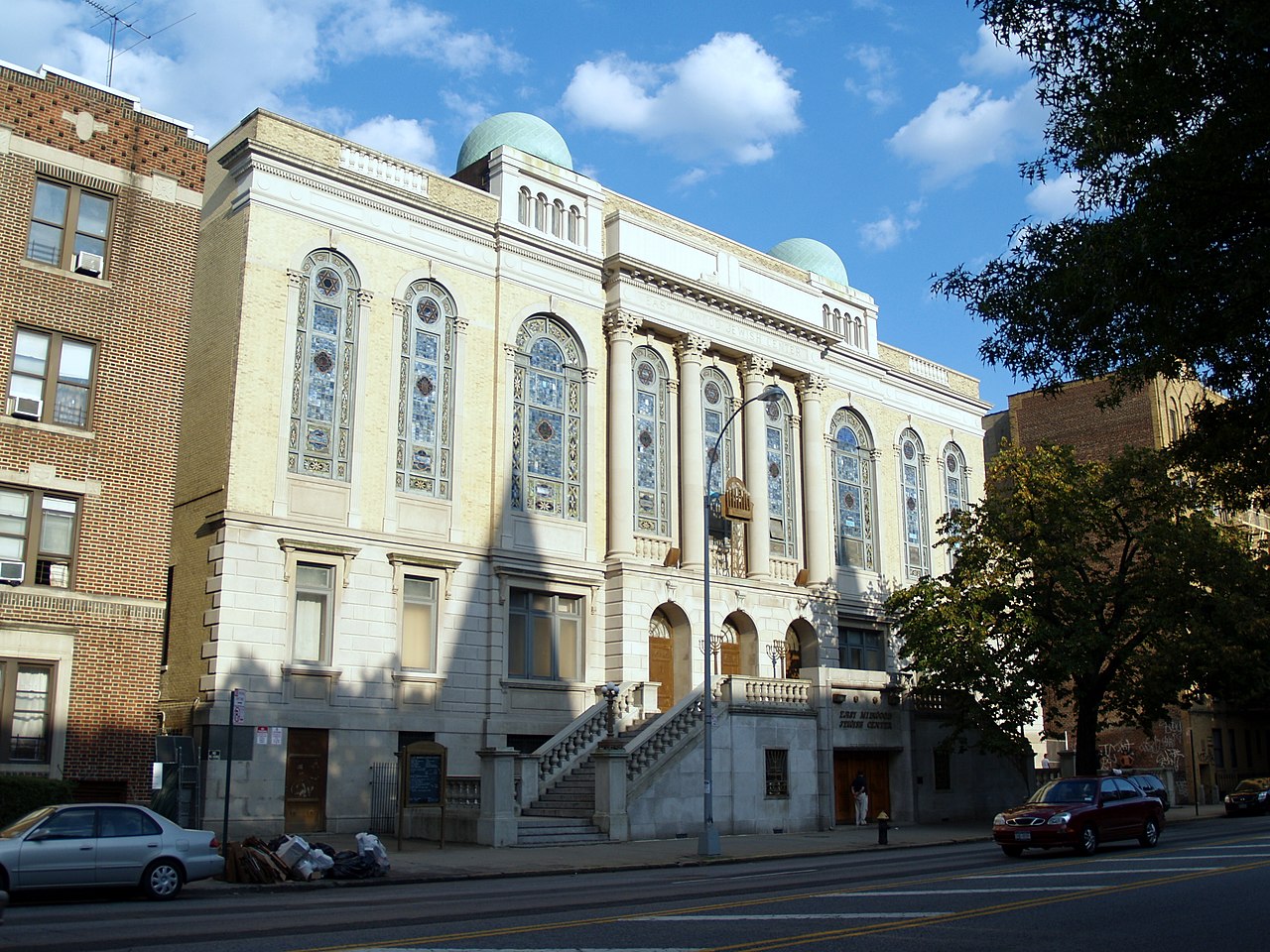


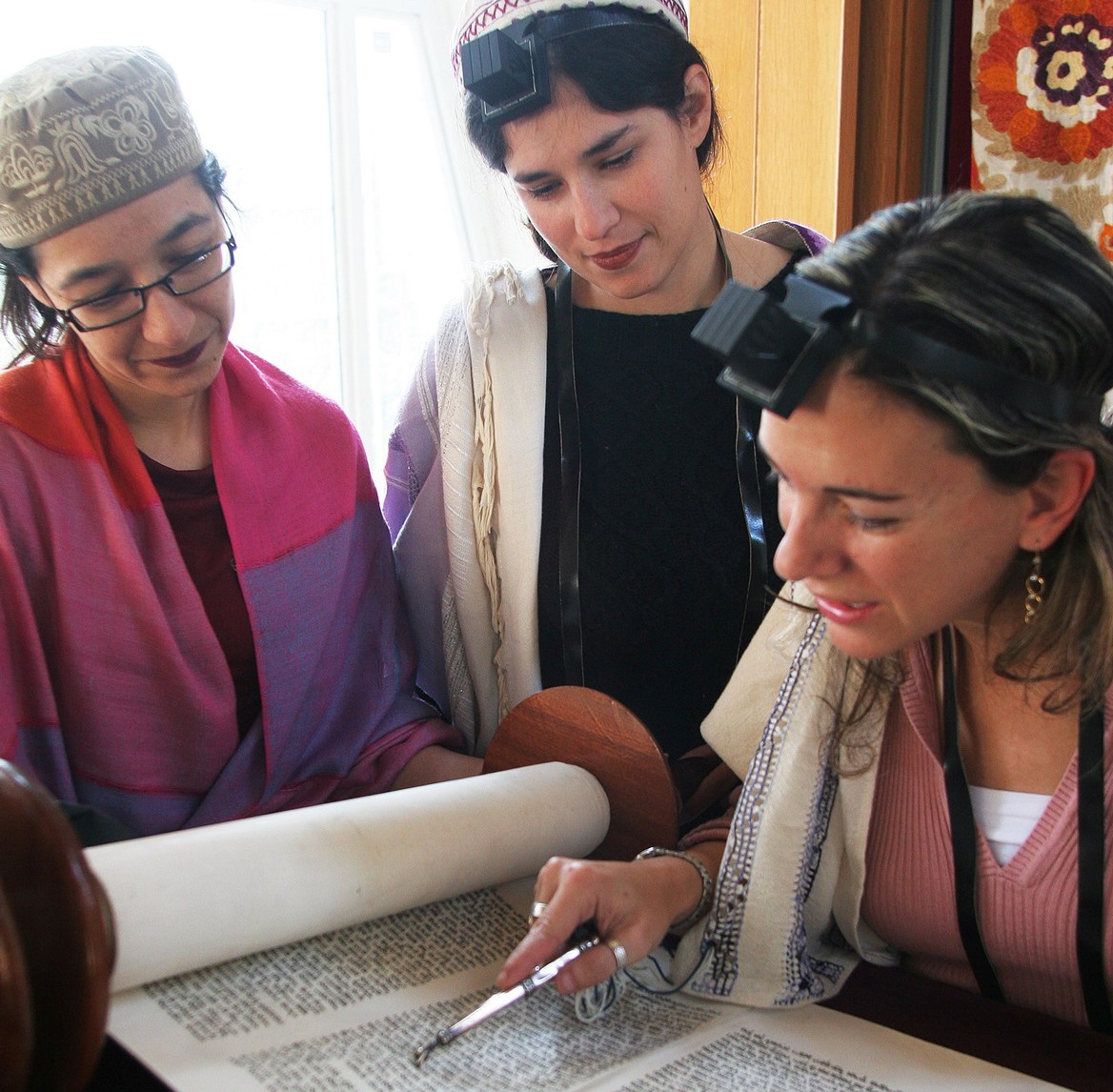


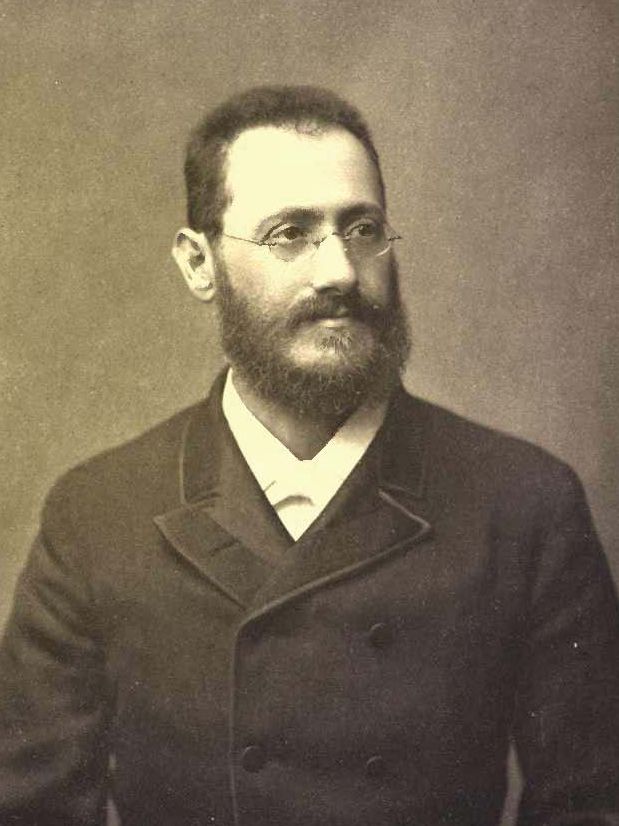
Core principles and characteristics
At the heart of Conservative thought is the belief that Jewish life is shaped by a living legal tradition. Many in the movement distinguish between ethical commandments that express enduring moral commitments and ritual or ceremonial rules that have historically changed and can be reinterpreted in light of new circumstances. Decisions about change are made through scholarly study and communal deliberation rather than by individual preference. Conservative communities also encourage critical study of sacred texts, treating sources as historical documents that require interpretation as well as reverence.
- Balance of tradition and change: preserve core practices while permitting adaptation.
- Commitment to halakhah: law is binding but historically contingent and subject to reasoned rulings.
- Scholarly approach: use of modern academic tools to study Bible and rabbinic literature.
- Varied practice: many congregations are egalitarian, others maintain more traditional roles.
History and development
The movement emerged in the 19th and early 20th centuries among Jews seeking to respond to modernity without discarding the authority of Jewish law. In Europe and then in North America, scholars and rabbis formulated an approach that accepted historical research while affirming communal norms. Institutions such as rabbinical seminaries and committees for legal decisions helped shape a portable set of norms for diverse communities. Over the 20th century Conservative Judaism grew into a network of synagogues, schools and organizations that promoted both learning and ritual life.
Practices, beliefs and communal life
In practice, many Conservative congregations combine Hebrew liturgy with portions in the local language and emphasize study, prayer and lifecycle rituals. Approaches to specific issues—such as kashrut (dietary law), Sabbath observance, prayer roles for women, and conversion—vary by community and by formal legal rulings issued by rabbinic bodies. The movement has widely moved toward egalitarian worship in the late 20th and early 21st centuries: many communities ordain women, permit women to lead services and allow mixed seating in the sanctuary, though some congregations retain separate seating or other traditional practices.
Organizations, decision-making and variations
Conservative Judaism is not monolithic. In North America institutional life has centered on seminaries, rabbinical associations and congregational networks that produce responsa and guidelines to address contemporary questions. Outside North America, the same theology often goes by the name Masorti and adapts differently to local conditions. Legal decisions are typically published and debated, and individual rabbis and communities may adopt differing positions on matters such as driving to services on the Sabbath or the role of technology in ritual life.
Distinctions and notable facts
Conservative Judaism distinguishes itself from Orthodox Judaism by its willingness to use historical methods and to alter some practices, and from Reform Judaism by its continued emphasis on halakhah as binding. The movement frames change as the work of learned interpretation within a legal tradition rather than as a break from it. For more about how Conservative communities articulate values, guidance and practice see resources linked to values, the structure of laws, local customs, relationships with the wider society, congregational life at the synagogue, and differences with Orthodox approaches.
Related articles
Author
AlegsaOnline.com Conservative Judaism Leandro Alegsa
URL: https://en.alegsaonline.com/art/22609