
Computer engineering: hardware, software, and systems design
Field that integrates electrical engineering and computer science to design computer hardware, embedded software, and systems; covers chips, circuit boards, firmware, education, applications and industry trends.
Overview
Computer engineering is the discipline that designs and builds computing systems, spanning the physical components of machines and the low-level software that runs them. Practitioners work on elements from individual transistors and integrated circuits to entire embedded systems and the firmware that controls specialized devices. The field sits at the intersection of electrical engineering and computer science, drawing on both to realize reliable and efficient computing platforms. For a concise reference to the hardware focus see hardware, and for the embedded-device perspective see embedded systems.
Image gallery
8 Images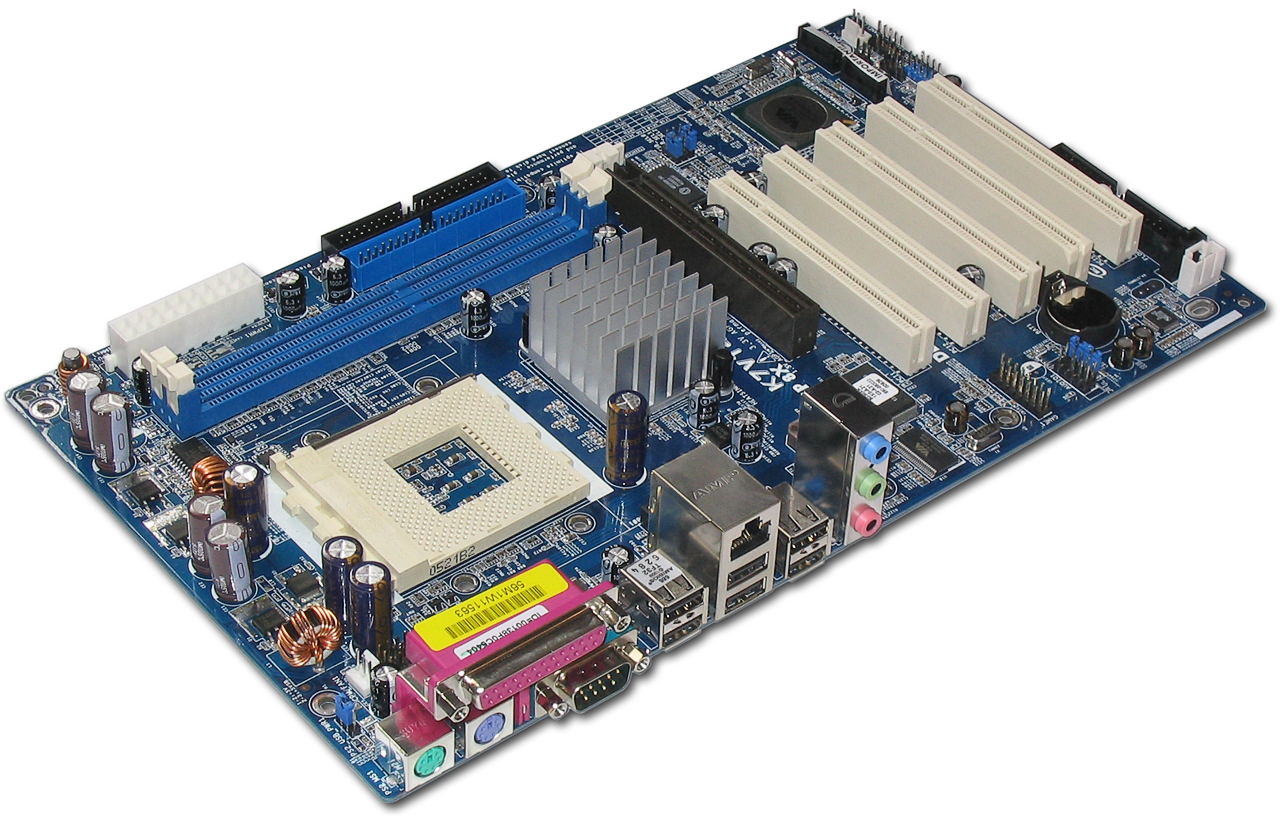




Core concepts and components
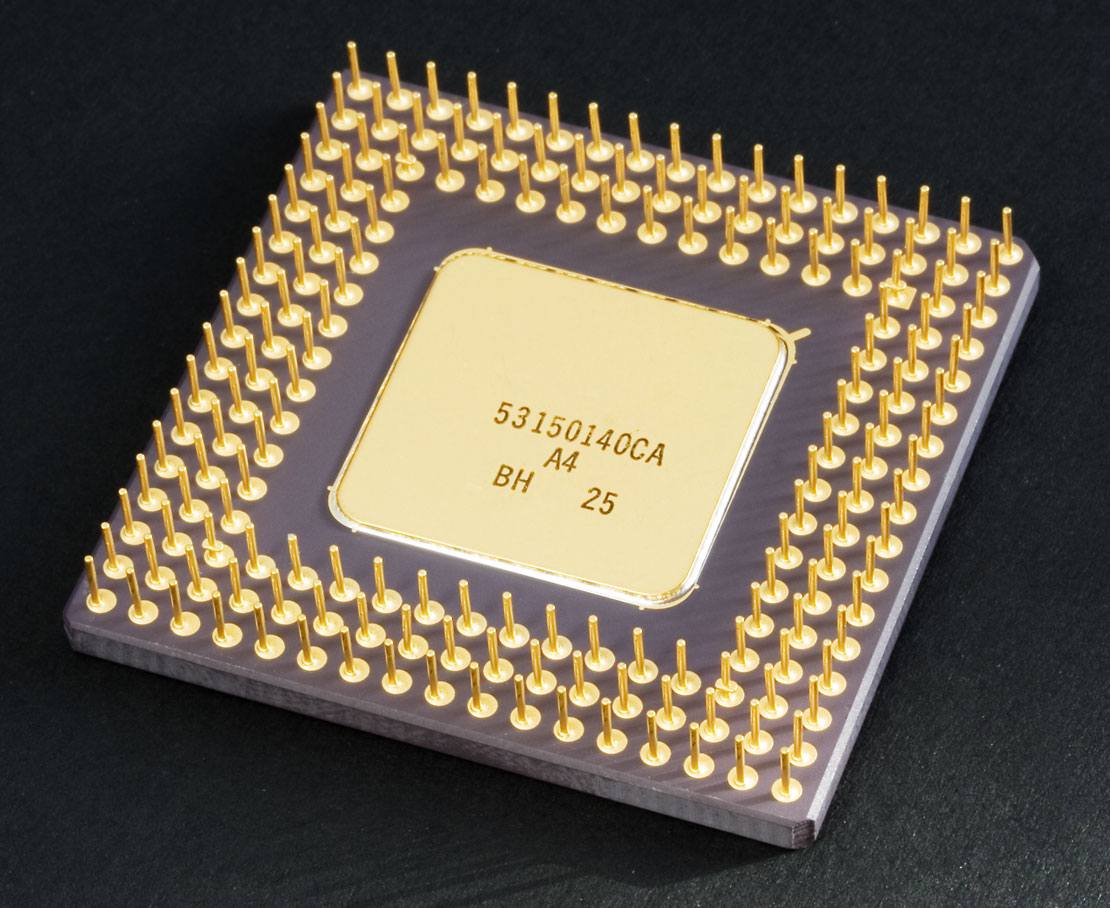
At the component level, computer engineering addresses the design and behavior of transistors and semiconductor chips as the fundamental switching elements. Students and professionals study how transistors are fabricated and used to build logic gates and memory, a subject that connects to transistors and the underlying principles of quantum mechanics that govern semiconductor physics. Chip design leads to system integration on printed circuit boards; typical coursework covers how to plan and wire a PCB and how to select power, timing, and signal integrity solutions.
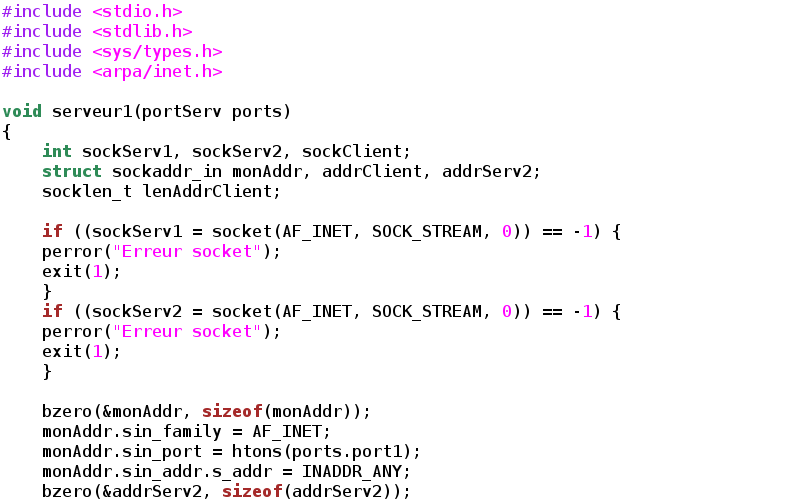
On the software side, computer engineers write and maintain low-level programs stored in nonvolatile memory so devices can operate without a general-purpose operating system. Instruction sets and firmware are often stored in ROM or Flash memory. The discipline also deals with firmware, device drivers, hardware description languages, and the configuration of peripherals, sometimes overlapping with software engineering and computer science topics such as algorithms and operating systems.
Historical development
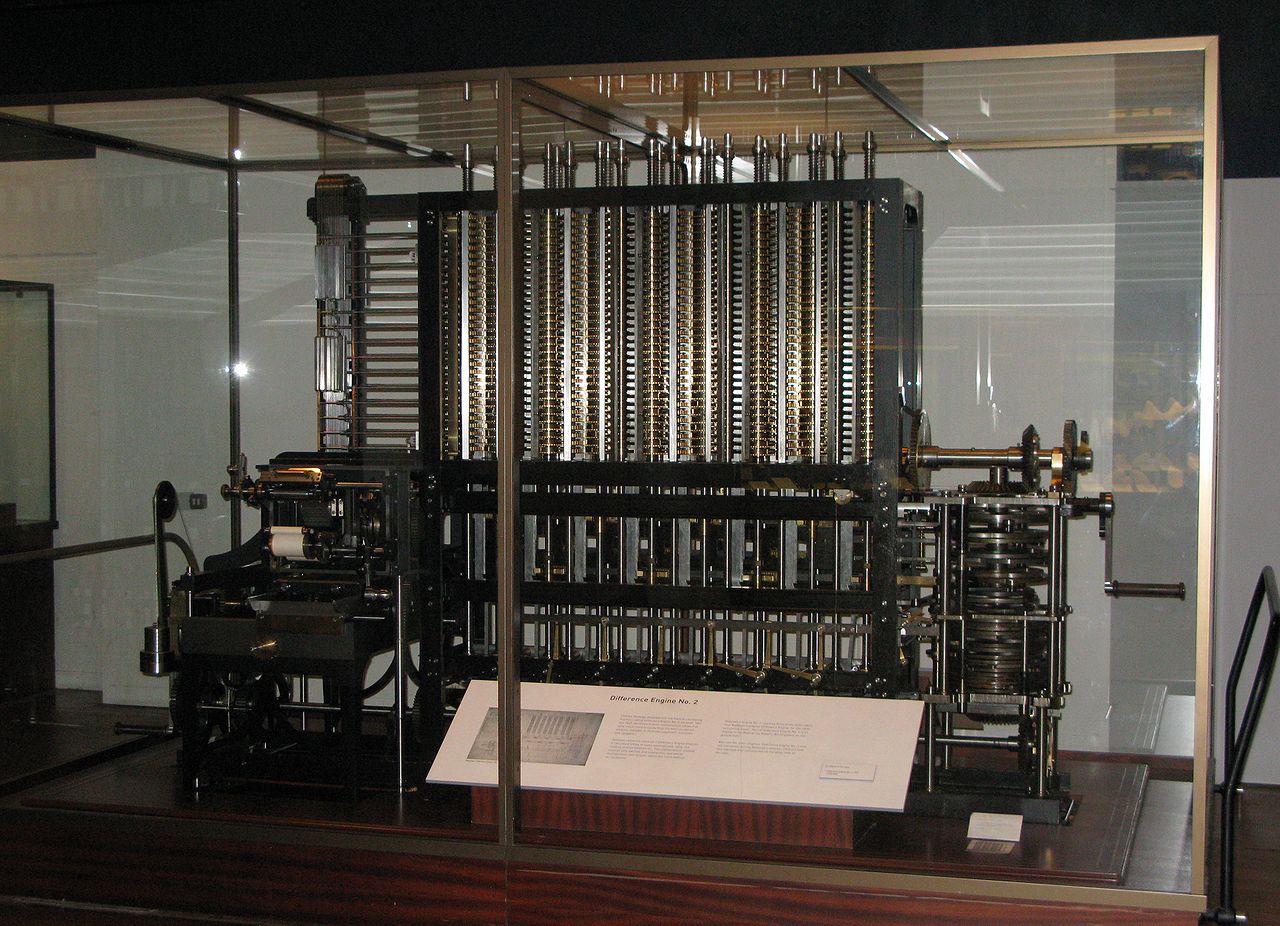
Computer engineering evolved as electronic component technology and digital logic matured. Early work combined electrical engineering practices for circuits with mathematical methods for computation. As integrated circuits and microprocessors became smaller and more capable, the field shifted toward system-on-chip integration and embedded design for consumer electronics, telecommunications equipment, and industrial controllers. The trend toward miniaturization and energy efficiency continues to shape research and industry priorities.
Education and skills
Formal programs in computer engineering typically include courses from both electrical engineering and computer science. Students learn fundamentals of science and mathematics, including calculus and differential equations such as calculus and differential equations, which are essential for analyzing circuits and signals. Laboratory work and project courses teach practical skills: soldering and board layout, simulation of circuits, digital logic design, and programming microcontrollers. A typical program also trains the student to collaborate across hardware and software boundaries and to document designs for manufacturing.
Applications and careers
Computer engineers are employed in many industries where electronics and computation meet. Typical employers include consumer-electronics manufacturers, telecommunications companies, embedded-systems developers, and organizations that design digital hardware and control systems. Work roles span hardware design, firmware development, systems integration, test and validation, and performance optimization. Many companies seek graduates with hands-on experience and knowledge of both hardware and software.
Distinctive features and current trends
- Cross-disciplinary practice: computer engineering bridges circuit-level design and higher-level software, requiring broad technical literacy.
- Miniaturization and integration: ongoing advances in fabrication enable complex systems on single chips, reducing cost and power consumption.
- Embedded intelligence: growth of smart devices places more emphasis on energy-efficient processors and specialized accelerators.
- Verification and security: as hardware and firmware become more complex, verification, reliability, and cybersecurity are increasingly important.
For further technical background or introductory materials, readers can consult resources on electronic design, embedded programming, and systems architecture via the links to general topics such as electronics, embedded systems, and professional practice in software engineering. Additional specialized references and curriculum guides are available through educational and industry outlets: see entries on hardware, electrical engineering, and computer science for broader context.
Questions and answers
Q: What is computer engineering?
A: Computer engineering is the practice of making computers and their parts. It involves both electrical engineering and computer science/software engineering, and involves learning about the hardware and software of computers, such as transistors, computer chips, printed circuit boards (PCBs), ROM or Flash memory, and programming.
Q: What do computer engineers work on?
A: Computer engineers work on making new parts smaller and better, as well as software for embedded systems like cell-phones and satellite receivers.
Q: How does quantum mechanics relate to computer engineering?
A: Quantum mechanics is used in understanding how transistors and computer chips are made and how they work.
Q: Where can students learn about computer engineering?
A: Many universities offer classes in computer engineering in their electrical engineering or computer science departments. Students also need to learn fundamental science subjects and mathematics such as calculus and differential equations.
Q: Is it difficult to learn computer engineering?
A: Yes, it can be difficult to learn due to its complexity but there is a high demand for qualified professionals in this field so it can be worth the effort.
Q: Who hires graduates with a degree in Computer Engineering?
A: Software engineering companies, telecommunications firms, designers of digital hardware, and many other companies hire graduates with a degree in Computer Engineering upon graduation.
Q: How much do these companies pay graduates with a degree in Computer Engineering?
A: These companies typically pay graduates with a degree in Computer Engineering quite well upon graduation.
Related articles
Author
AlegsaOnline.com Computer engineering: hardware, software, and systems design Leandro Alegsa
URL: https://en.alegsaonline.com/art/22310
Sources
- cs.ucla.edu : Computer Science and Computer Engineering
- princetonreview.com : Major: Computer Engineering