
Software engineering: principles, lifecycle, and roles
A concise guide to software engineering: what it is, core practices, lifecycle stages, quality attributes, history, typical roles and common applications.
Software engineering is the disciplined practice of creating, evolving and maintaining software systems. It brings engineering ideas — planning, design, verification and management — to the task of producing programs and the documentation that supports them. Software engineers apply knowledge of algorithms, data structures, computer architectures and human factors to build solutions that run on computers and embedded devices.
Image gallery
2 Images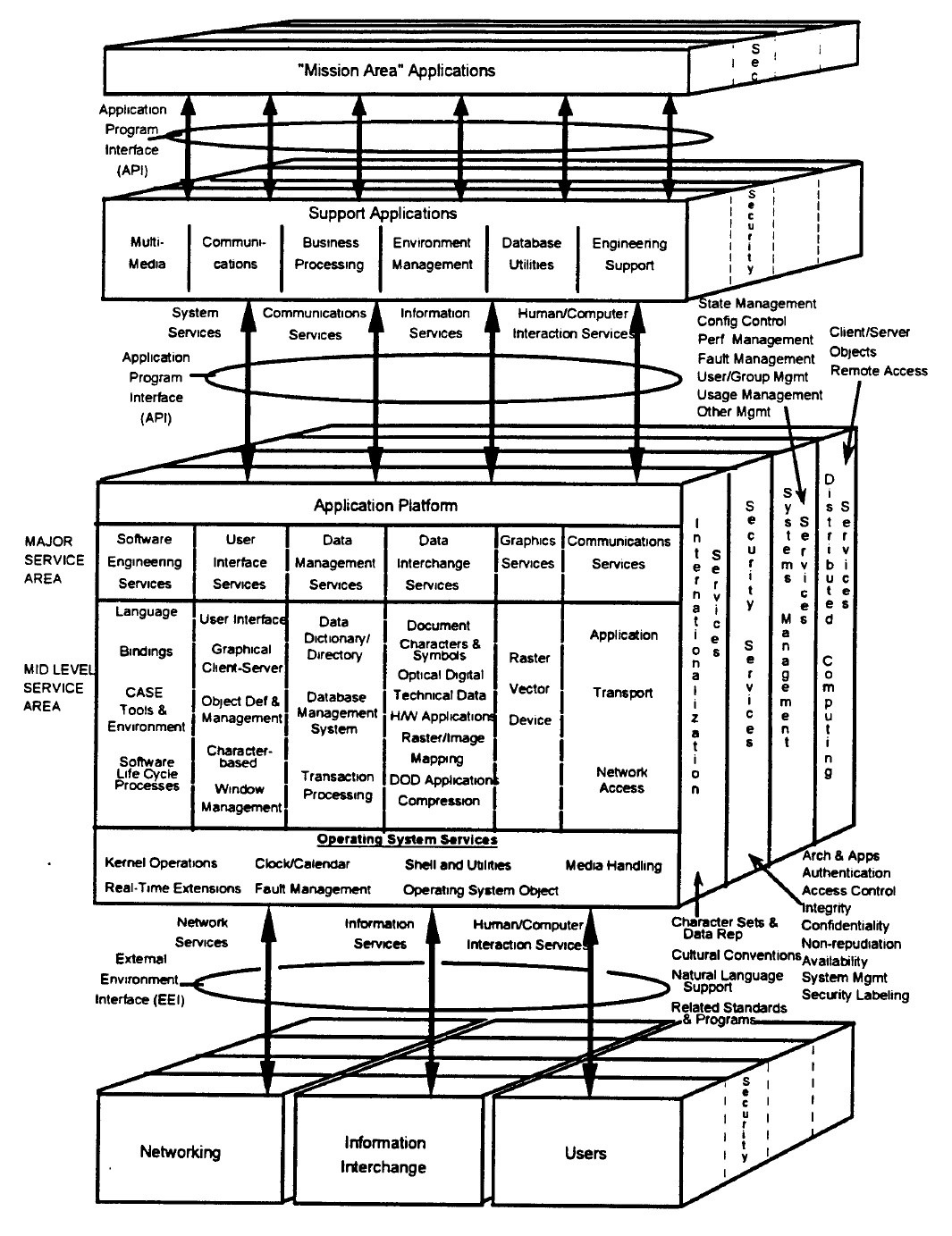

Core characteristics and artifacts
Well-engineered software is reliable, maintainable and testable. Common artifacts produced during development include requirements descriptions, architectural diagrams, source code, compiled binaries or runtime packages, test plans and user documentation. Important qualities often emphasized are correctness (the program does what it should), performance, security, usability and portability. Good documentation and modular design reduce long-term costs by making systems easier to change.
Lifecycle and common methodologies
The software lifecycle typically covers requirement analysis, system design, implementation, testing, deployment and maintenance. Different teams use different process models: traditional sequential models like waterfall, iterative approaches, and more adaptive techniques such as Agile and DevOps. Testing — from unit tests to integration and user acceptance tests — is performed throughout to find defects early. Release management and version control are central to delivering reliable updates to end users.
Roles, tools and practices
Roles in software projects vary: requirements engineers, architects, developers (often called programmers), testers, release engineers and user experience designers collaborate to deliver value. Tools include integrated development environments, compilers and interpreters, build systems, continuous integration servers, static analyzers and issue trackers. Automation of builds and tests shortens feedback loops and reduces human error.
History and development
The discipline emerged as software grew more complex and the need for repeatable practices became clear. The so-called "software crisis" of the 1960s and 1970s highlighted cost overruns and unreliable systems, prompting research into better planning, modular design and formal methods. Over time the field adopted structured design, object-oriented techniques, and later practices focused on rapid delivery and collaboration, such as Agile and continuous delivery.
Applications and importance
Software engineering underpins products in virtually every sector: finance, healthcare, transport, entertainment, telecommunications and consumer products. The quality of software affects safety, privacy, business continuity and user satisfaction. As systems interconnect and scale, engineers must balance short-term delivery goals with long-term maintainability and ethical considerations.
Further reading and resources
- Standards and professional organizations — places to find formal guidance and codes of practice.
- Design patterns and architectures — common solutions for structuring systems.
- Programming language references — languages and paradigms used by practitioners.
- Hardware and embedded platforms — considerations when software runs on devices.
- Testing and verification resources — approaches to assure quality.
- Career development and education — training paths for software engineers.
- Build and deployment tools — automation that supports continuous delivery.
- Documentation best practices — how to write maintainable project documentation.
- Lifecycle and process models — comparisons of methodologies and when to use them.
- User-centered design and accessibility — designing software that serves diverse end users.
These topics form the backbone of software engineering. Whether building a small utility or a global platform, applying deliberate methods, clear communication and automated tooling helps teams deliver useful, resilient and maintainable software.
Questions and answers
Q: What is software engineering?
A: Software engineering is a field of engineering that involves designing and writing programs for computers or other electronic devices.
Q: What does a software engineer do?
A: A software engineer writes software and compiles it to make instructions that the computer can follow.
Q: What makes good quality software?
A: Good quality software is easier to fix and add new features. Good documentation and good design are parts of good software.
Q: What is required to become a software engineer?
A: Becoming a software engineer requires experience and practice writing code.
Q: What does the software release life cycle include?
A: The software release life cycle includes getting the requirements, planning, writing, documenting, and testing the software before it is released.
Q: Who are the end users of released software?
A: The end users are the people who use the released software.
Q: What makes good software user friendly?
A: Good software should be user friendly, which means it is easy to use.
Related articles
Author
AlegsaOnline.com Software engineering: principles, lifecycle, and roles Leandro Alegsa
URL: https://en.alegsaonline.com/art/91579
Sources
- books.google.com : What Every Engineer Should Know about Software Engineering