
Constrictor knot: description, tying method, uses and cautions
A constrictor knot is a simple, very secure binding knot that grips tightly and resists slipping. It is valued for holding power but can jam and be difficult to untie once loaded.
Overview
The constrictor knot is a compact binding knot used to fasten a rope tightly around an object or another rope. It is prized for its grip and simplicity: when dressed and tightened it resists slipping and holds under sustained load. Because it deforms and bites into the material, it can be difficult or impossible to untie after heavy loading.
Image gallery
10 Images

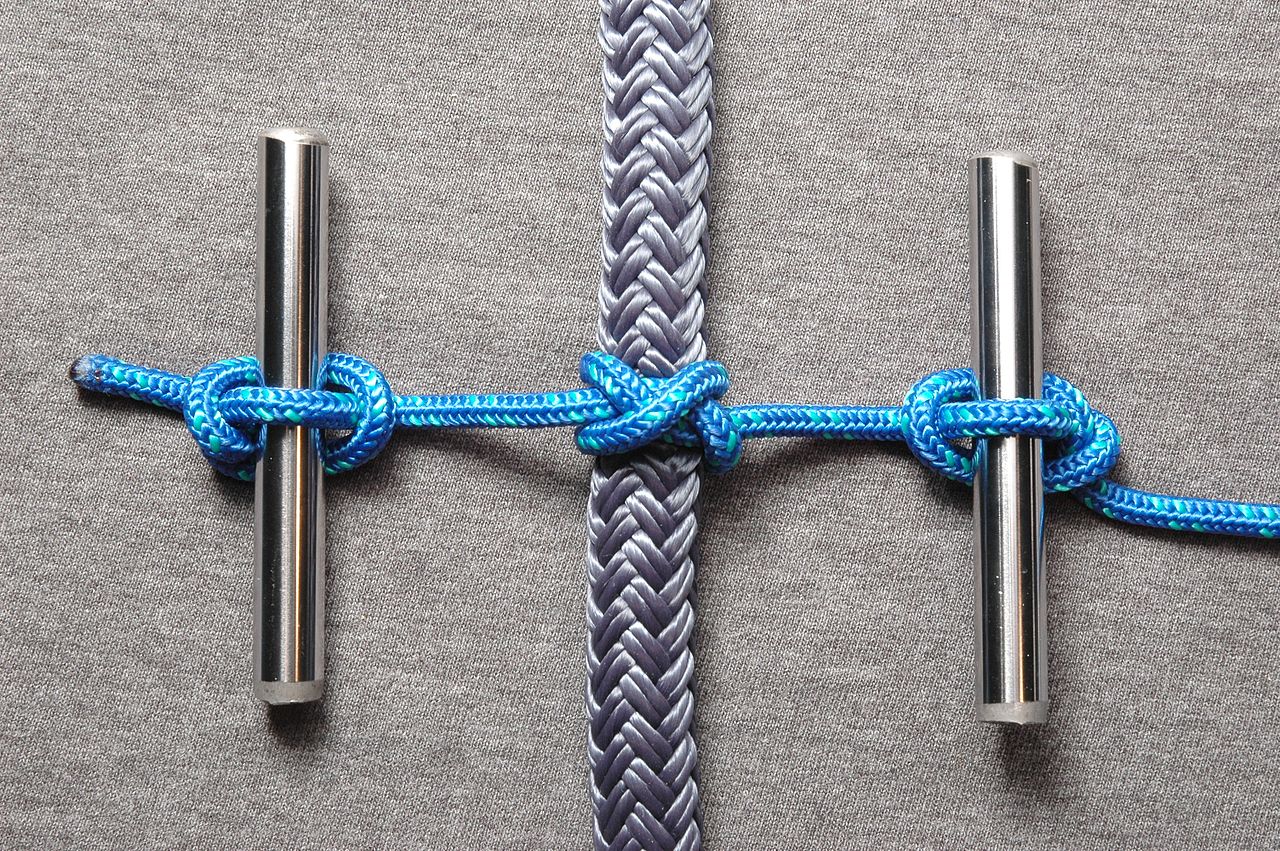


Structure and how to tie
Structurally the constrictor is like a clove hitch with one of the riding turns passed under the crossing turn, which creates a firm noose. A common method to tie it is:
- Wrap the working end twice around the object or rope so the turns lie side by side.
- Cross the working end over the standing part to form an X.
- Tuck the working end under the crossing turn and pull all parts tight so the knot cinches down.
- For temporary use a slipped variation allows easier release by adding a bight before tightening.
History and naming
The knot was highlighted and popularized in modern knotting literature by Clifford W. Ashley in his compilation work, which led to the widespread use of the name "constrictor." It has likely been used in practical ropework for a long time under different local names.
Uses, advantages and cautions
Typical uses include binding bundles, securing sacks or linings, temporary clamps in craft and agricultural work, and any situation needing a simple, compact binding. Advantages are strong gripping power and minimal slippage. Key cautions: it can jam badly under heavy load, may damage soft material, and is not ideal where you must untie the knot quickly.
Variants and comparisons
Variants include the slipped constrictor for release and doubled turns for extra friction. It is generally more secure than a clove hitch but less suited than some adjustable hitches when deliberate release or adjustment is needed. For diagrams and step-by-step illustrations see further tying guides or consult a ropework manual such as those linked at additional resources.
Related articles
Author
AlegsaOnline.com Constrictor knot: description, tying method, uses and cautions Leandro Alegsa
URL: https://en.alegsaonline.com/art/22697