
Common frog (Rana temporaria)
A widespread European amphibian (Rana temporaria) with variable brown or green coloration. Breeds in ponds and wetlands; found from Iberia and Italy to the Arctic Circle and many islands.
Overview
The common frog, Rana temporaria, is a familiar frog of temperate Europe. It occupies a wide range of habitats and is one of the best-known amphibians to people living in gardens, woodlands and agricultural areas. An easily observed species, it is often one of the first amphibians to breed in spring.
Image gallery
9 Images




Identification and characteristics
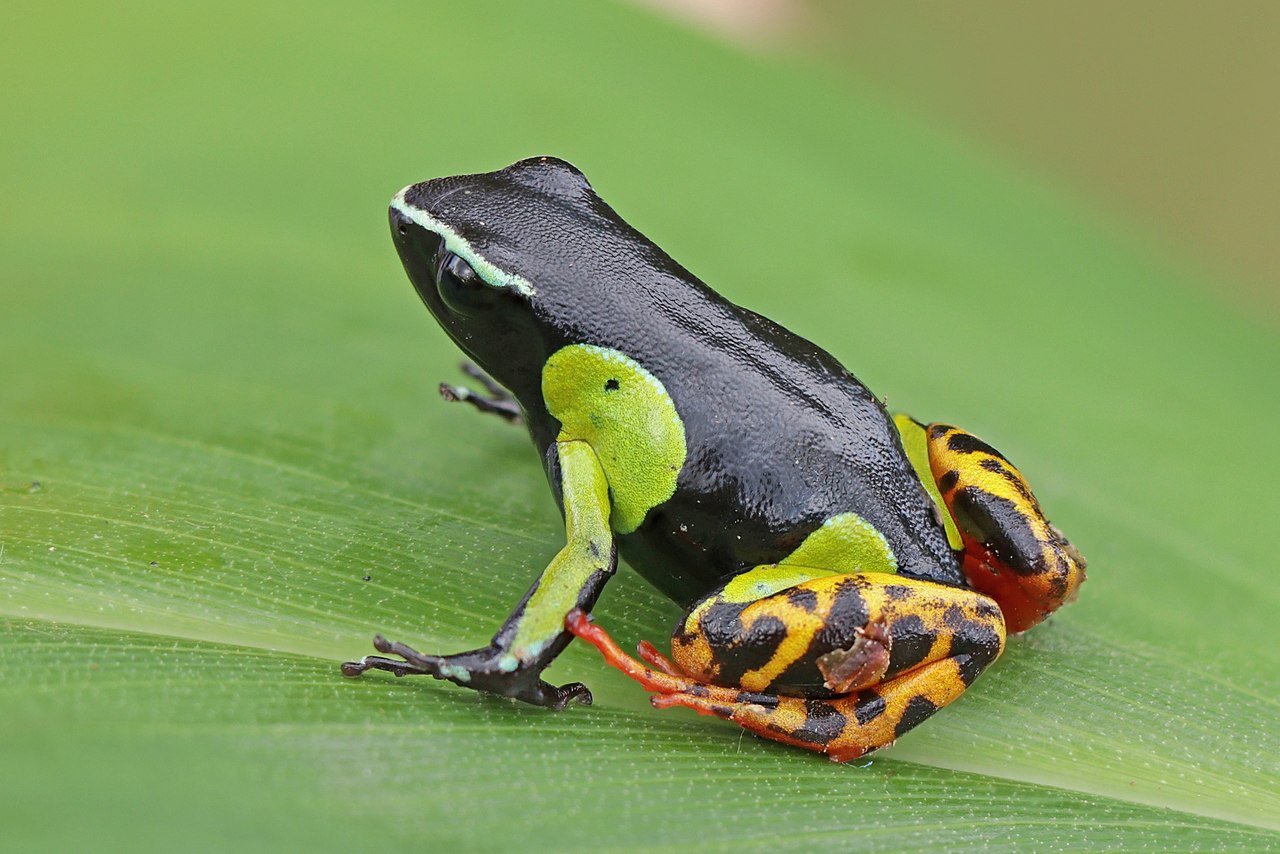
Appearance is variable: individuals range from brown through olive to green, often with darker blotches and a pale belly. Distinguishing characteristics include relatively smooth skin, a rounded snout and moderately long hind legs suitable for hopping and swimming. Unlike true toads, common frogs typically have smoother skin and more slender bodies.
- Color: brown, green, olive, or patterned
- Skin: generally smooth with occasional warts
- Limbs: long hind legs for jumping and swimming
- Call: a short, low croak used in breeding season
Life cycle and behaviour
Breeding usually occurs in ponds, ditches and other still waters in spring. Females deposit eggs in clumps; these hatch into aquatic tadpoles which feed and grow through spring and summer before metamorphosing into juvenile frogs. Adults feed on a variety of invertebrates such as insects, spiders and worms. In colder regions the species hibernates through winter in burrows, beneath leaf litter or in soft mud underwater.
Distribution and habitat
Rana temporaria has a broad native range across Europe, extending north to the Arctic Circle and including areas of Scandinavia. It is found across the mainland from Iberia to the Urals and is present in parts of Italy, the Balkans and Ireland. Local introductions have occurred in some islands and regions outside its original range, where it is considered introduced in limited areas.
Human interactions and conservation
Because it commonly uses garden ponds and rural waters, the common frog is familiar to the public and is often used in school nature studies. Threats include habitat loss, pollution and disease, but overall the species remains widespread and adaptable. Conservation measures focus on protecting breeding sites, maintaining freshwater quality and providing connected habitats so populations can move and recolonize.
Notable facts and comparisons
Although called the common frog, it is one of several widespread frog species in Europe. It can be confused with other brown or green frogs, so observers often rely on habitat, breeding behaviour and subtle body features to confirm identification. The species plays an important ecological role as both predator of invertebrates and prey for birds, mammals and larger amphibians.
Related articles
Author
AlegsaOnline.com Common frog (Rana temporaria) Leandro Alegsa
URL: https://en.alegsaonline.com/art/22004