
Eurasian teal (Anas crecca) — a small migratory dabbling duck
Overview of the Eurasian teal (Anas crecca): identification, behavior, migration, taxonomy, conservation, and its role in wetlands and birdwatching.
The Eurasian teal (Anas crecca), often called the common teal or green-winged teal, is a small dabbling duck native to temperate and subarctic regions of Europe and Asia. It is one of the most widespread small ducks in its range and is notable for the green facial stripe that gives it its common name. The word "teal" also refers to a blue-green color linked to the bird's plumage and distinctive wing patch, a connection reflected in the color name teal.
Image gallery
10 Images



Identification and physical characteristics
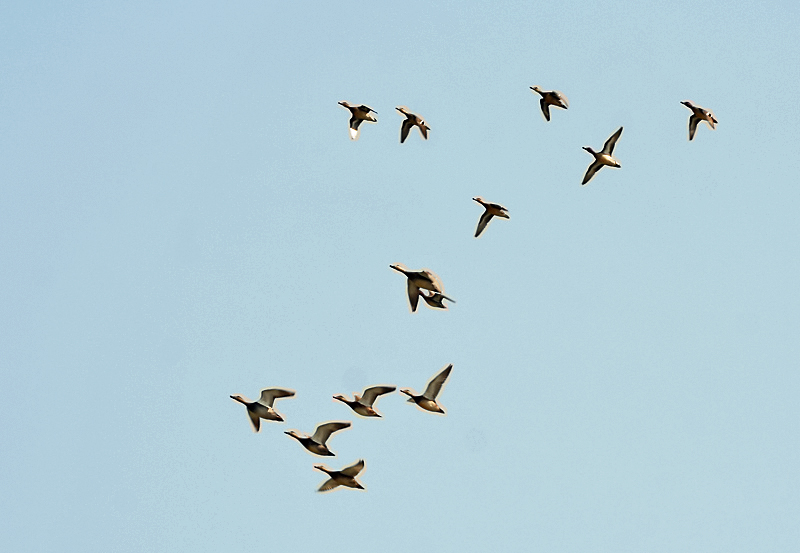
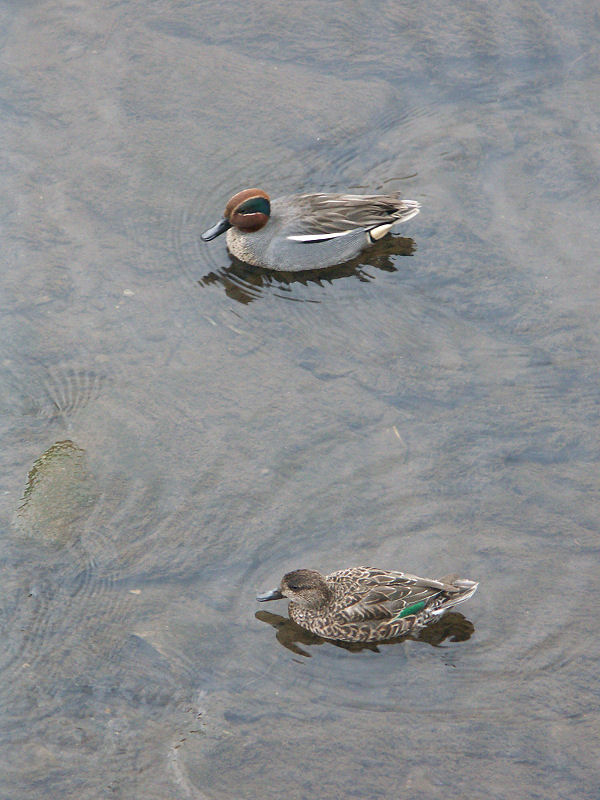
The Eurasian teal is compact and lightweight compared with many other ducks. Males in breeding plumage show a chestnut head marked by an iridescent green stripe from the eye to the nape, a pale breast with fine patterning, and a conspicuous green speculum on the wing. Females and non-breeding males are mottled brown, which provides camouflage at the nest. Both sexes have slender bills and relatively short necks. In flight the teal is fast and agile, often flying in small flocks that quarter over wetlands.
Behavior, diet and breeding
As a dabbling duck, the Eurasian teal feeds at or near the water surface rather than diving. Its diet consists mainly of seeds, aquatic plants, and invertebrates such as insects and crustaceans; the exact balance shifts with season and habitat. Teal are social outside the breeding season, forming loose flocks on shallow lakes, marshes and flooded pastures. They nest on the ground, usually concealed in dense vegetation close to water, where the female incubates the eggs and tends the ducklings after hatching.
Distribution and migration
Breeding populations occupy northern and temperate Eurasia. In winter many birds migrate south to milder regions in southern Europe, North Africa, the Middle East and South Asia. Migration routes and wintering areas vary with local climate and habitat availability; some populations are resident where conditions remain suitable year-round. Wetland loss and harsh weather can influence movement and local abundance, making the species a useful indicator of wetland health.
Taxonomy and conservation
The Eurasian teal is classified in the genus Anas. Historically it was often treated as conspecific with the North American green-winged teal (A. carolinensis), but many modern authorities recognize them as separate species based on differences in plumage, vocalizations and genetics. Overall the Eurasian teal remains widespread and adaptable; conservation assessments generally list it as of lower concern than many specialized waterfowl, though local declines have occurred where wetlands are drained or polluted.
Human significance and notable facts
Teal are economically and culturally important: they are sought by birdwatchers for their attractive plumage and quick flight, and by hunters in regions with managed waterfowl seasons. Because they depend on shallow wetlands for feeding and breeding, conservation measures that protect and restore marshes, reedbeds and floodplains benefit teal and many other species. The Eurasian teal's presence, abundance and timing of migration continue to be monitored by ornithologists and citizen-science projects, contributing to wider understanding of wetland ecosystems.
- Typical habitats: marshes, flooded meadows, shallow lakes and estuaries.
- Feeding style: dabbling and upending; not a diving species.
- Notable variation: some populations show resident behavior where winters are mild.
Questions and answers
Q: What is the Eurasian teal?
A: The Eurasian teal, common teal or Eurasian green-winged teal (Anas crecca) is a duck that lives in Europe and Asia.
Q: Where is the Eurasian teal found?
A: The Eurasian teal is found in Europe and Asia.
Q: Is there any other kind of teal?
A: Yes, the North American green-winged teal (A. carolinensis) is another kind of teal.
Q: What is the habitat of the Eurasian teal?
A: The Eurasian teal often lives in places where the ground is very wet and the wind is usually not strong.
Q: What is the food source of the Eurasian teal?
A: The Eurasian teal stays on top of the water and eats seeds and bugs that live in the water.
Q: Does the Eurasian teal go under the water to find food?
A: No, the Eurasian teal does not go under the water to find its food.
Q: Where does the Eurasian teal fly in winter?
A: In winter, the Eurasian teal flies south to avoid the cold.
Related articles
Author
AlegsaOnline.com Eurasian teal (Anas crecca) — a small migratory dabbling duck Leandro Alegsa
URL: https://en.alegsaonline.com/art/22020