
Common coquí (Eleutherodactylus coqui)
A small terrestrial tree frog native to Puerto Rico, famed for its loud nocturnal two-note call, direct egg development, cultural importance, and invasive presence in parts of Hawaii.
Overview
The common coquí is a small frog known by its Spanish name "coquí" and by the scientific name Eleutherodactylus coqui. This frog is most closely associated with Puerto Rico, where it has become an emblematic animal. Males are especially familiar because of a loud, recognizable nighttime call often transcribed as "co-quí." The species belongs to the wider genus Eleutherodactylus and is a subject of both cultural affection and ecological study.
Image gallery
7 Images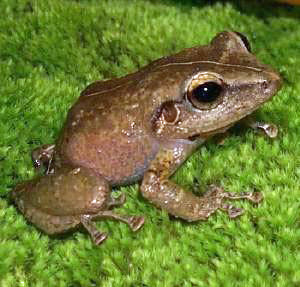




Physical characteristics
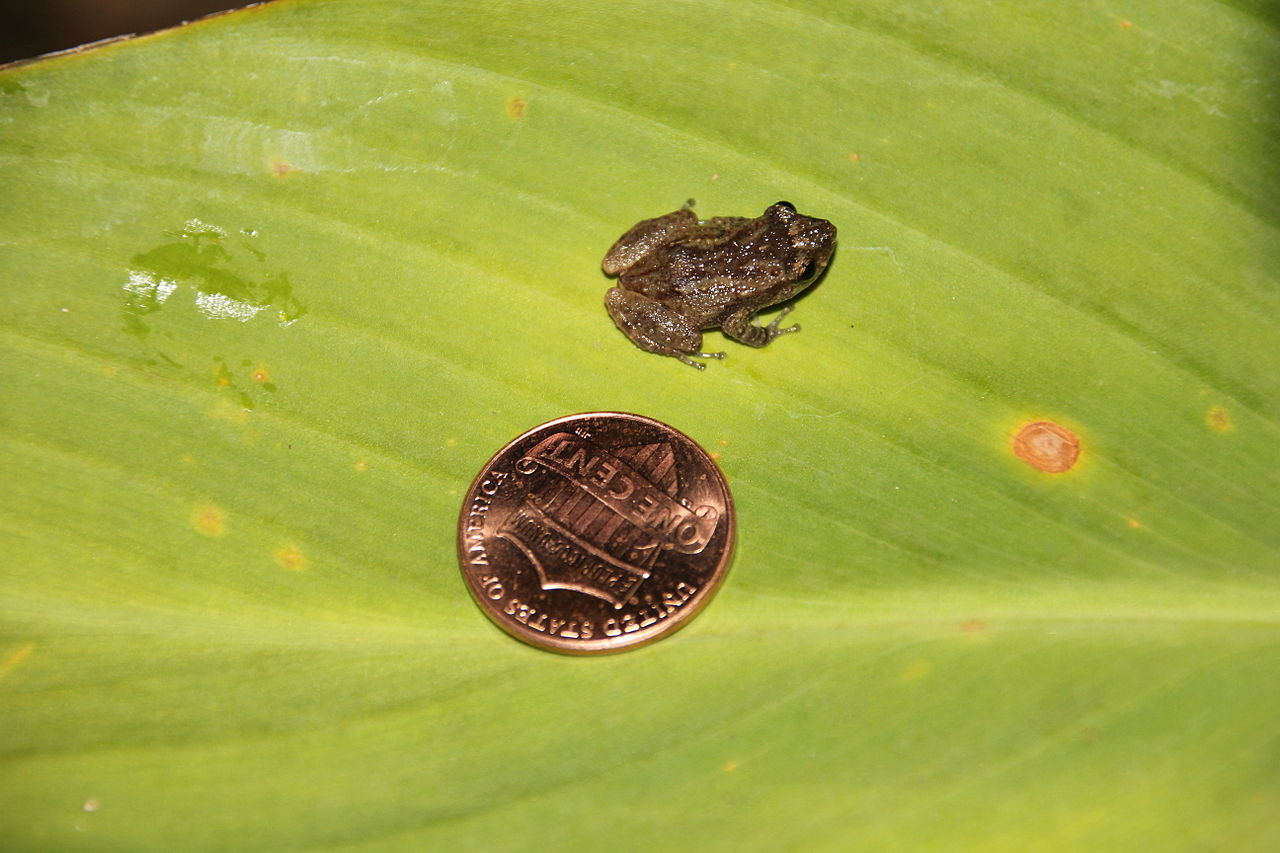
Common coquí individuals are small and vary in coloration from browns and grays to greener tones, usually with patterns that help them blend into leaf litter and tree bark. They have well-developed toe pads that assist climbing and clinging to vegetation. Their most conspicuous trait is vocal: males produce a two-note call used to attract mates and defend territory. The first note is higher and the second lower, creating the familiar "co-quí" sound heard across forests and suburban neighborhoods at night.
Life cycle and behavior
Unlike many frogs, the common coquí undergoes direct development: eggs are laid on land in moist, sheltered spots and hatch directly into miniature froglets rather than tadpoles. This terrestrial breeding strategy frees the species from dependence on standing water for reproduction. Males call from perches to advertise territories and mates, and most activity occurs after dusk when humidity is higher.
Ecological and cultural importance
In Puerto Rican culture the coquí is a potent symbol, celebrated in music, literature and tourism, and often used as a motif in art. Ecologically, coquí are important insect predators and a food source for native predators. Their abundance and loud calls make them a familiar part of the island soundscape, contributing to local identity.
- Distinctive two-note nocturnal call
- Direct egg development on land
- Good climbers with adhesive toe pads
Introductions, impacts and study
The common coquí has been accidentally introduced outside its native range, most notably to parts of Hawaii, where it has become invasive. In introduced areas it can reach high densities, alter insect communities, and affect human quality of life with persistent nighttime calling. Management and research efforts aim to limit spread and reduce impacts. For taxonomic and research resources see the research references and the original genus descriptions.
Overall, the common coquí combines distinctive natural history—especially its vocal behavior and reproductive strategy—with strong cultural resonance and notable consequences when transported beyond its native range.
Related articles
Author
AlegsaOnline.com Common coquí (Eleutherodactylus coqui) Leandro Alegsa
URL: https://en.alegsaonline.com/art/21998