
Common bronzewing (Phaps chalcoptera)
A widespread Australian pigeon with iridescent wing patches, the common bronzewing inhabits woodlands and open country, feeds mainly on seeds and plant material, and plays a role in seed dispersal.
Overview
The common bronzewing (Phaps chalcoptera) is a stocky, medium-sized pigeon native to Australia. Belonging to the family Columbidae, it is familiar across much of the continent and is often seen singly, in pairs, or in small groups. The name 'bronzewing' refers to the metallic sheen visible on the folded wing when light catches the feathers.
Image gallery
6 Images



Description and identification
Plumage is generally warm brown with subtle barring and a pale throat. Distinctive iridescent patches on the wings show green, purple or bronze tones and give the species its common name. When flushed, bronzewings often reveal a rapid wing beat and a brief flash of those metallic colours. Their call is a low, resonant coo often heard at dawn and dusk.
Distribution and habitat
The species is endemic to Australia, where it occupies a range of habitats including open woodland, heath, farmland and scrub. It uses both native and modified landscapes so long as there is access to ground cover for feeding and nearby water sources. Bronzewings commonly make short regular flights to drink at reliable waterholes.
Diet and behaviour
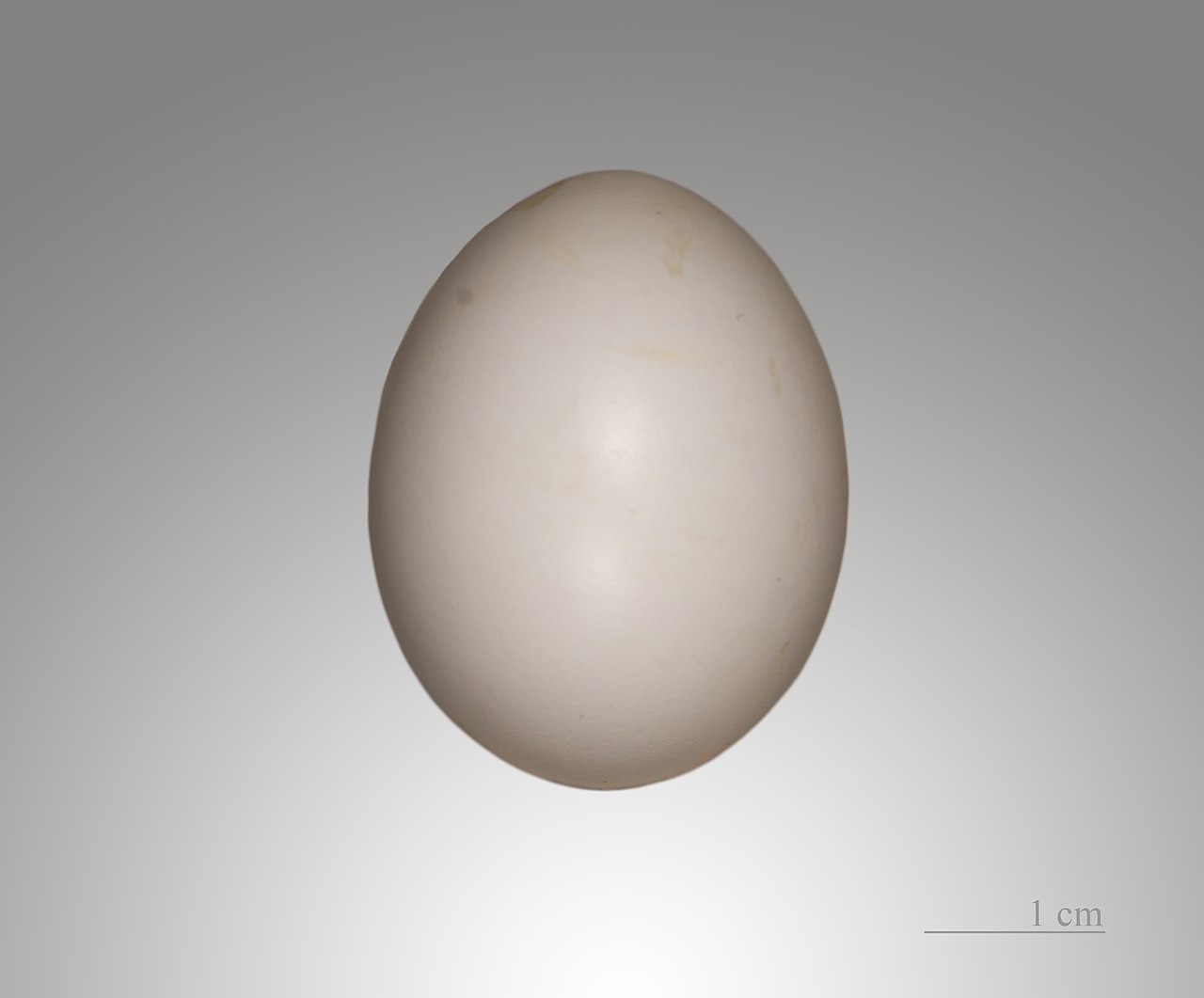
Feeding mainly on the ground, the common bronzewing eats a variety of vegetable matter such as seeds, fallen grain, and other plant material; it may also take small amounts of insects opportunistically. Foraging is typically solitary or in small groups, and the birds often swallow grit to help grind seeds. Nesting involves a simple platform of twigs placed in a low tree or shrub, with one or two eggs per clutch.
Ecological role and human interactions
As a seed-eating bird, the bronzewing helps disperse plants and maintain ecosystem dynamics. It adapts well to some agricultural environments but can be sensitive to the removal of cover and watering points. Overall, the species is not considered threatened and is a familiar element of many rural and semi-rural landscapes.
Notable facts and distinctions
- The species epithet chalcoptera comes from Greek roots meaning 'bronze wing'.
- Its cryptic brown plumage provides camouflage while the iridescent wing patch is most visible in flight or when the wing is folded and illuminated.
- Unlike some pigeons that form large flocks, common bronzewings are more often encountered alone or in small parties.
Related articles
Author
AlegsaOnline.com Common bronzewing (Phaps chalcoptera) Leandro Alegsa
URL: https://en.alegsaonline.com/art/21992
Sources
- birdsinbackyards.net : "Common Bronzewing | BIRDS in BACKYARDS"
- australianbushbirds.info : "common bronzewing-phaps chalcoptera"