
Common buzzard (Buteo buteo)
A widespread Old World raptor, the common buzzard (Buteo buteo) is a medium-sized, highly variable hawk that inhabits woodlands and open country across Europe and Asia and plays a key role as a predator.
Overview
The common buzzard (Buteo buteo) is a widespread raptor of the Old World, familiar across much of Europe and large parts of Asia. As a member of the genus Buteo it is often encountered perched on posts or soaring with broad wings in search of prey. It is sometimes referred to as the Eurasian buzzard and is regarded as a generalist predator that adapts readily to different landscapes and climates. Birds of prey such as this have important ecological roles as controllers of small mammal and insect populations.
Image gallery
10 Images




Description and identification
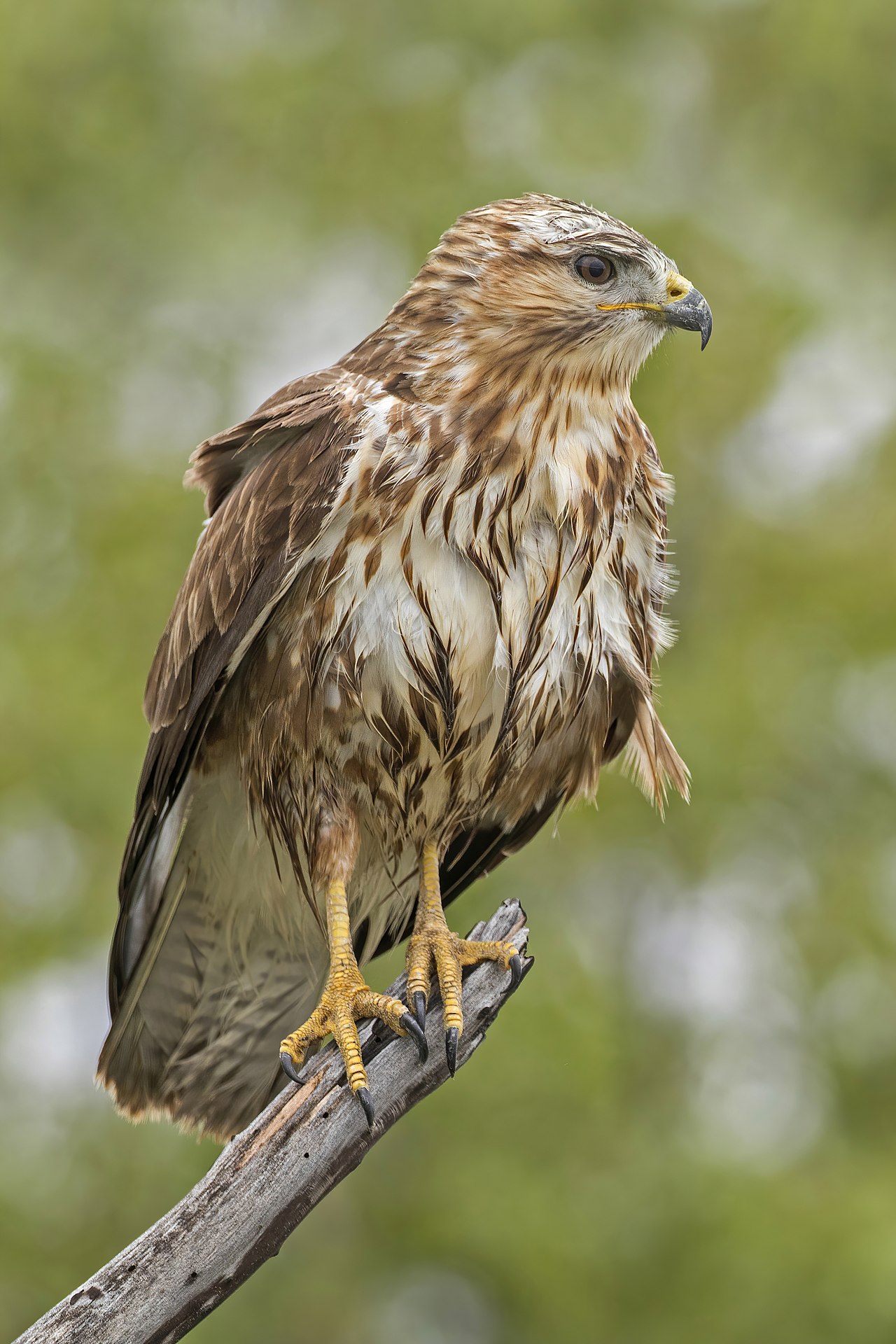
The species is medium-sized, with adult length commonly around half a metre and a wingspan that may exceed a metre. Plumage is highly variable: individuals can range from pale buff or near-white to very dark brown or almost black, though brown tones are most typical. Key field marks include broad, rounded wings, a relatively short tail, and a stout body. When soaring it shows a characteristic shallow-winged, buoyant flight and often holds the wings in a slight dihedral.
Distribution and habitat
The common buzzard occupies a wide swathe of the Old World, breeding from western Europe eastwards into parts of central and northern Asia. It uses a mix of habitats: woodland edges and forests for nesting, with adjacent open areas such as meadows, farmland or moorland for hunting. It is common across most of Europe and extends into much of Asia. See regional accounts for specifics: Old World range, European distribution, and Asian range.
Behavior, diet and hunting
Common buzzards hunt primarily from a perch or by slow, searching flight. Their diet is broad and opportunistic: small mammals (voles, mice), insects, earthworms, small birds and eggs form the staple. They will occasionally take larger prey items such as adult grouse or rabbits when opportunity permits. They also exploit disturbed ground and agricultural fields where invertebrates and small vertebrates are exposed. Typical prey examples include adult gamebirds and rabbits observed in some populations; see regional studies for details: grouse and rabbits.
Reproduction, social structure and variation
Pairs are generally monogamous and defend a territory around a nest placed high in a tree. Clutch sizes are modest and parents cooperate in raising the young. The species is largely solitary outside the breeding season, though groups may gather during migration or where food is abundant. The common buzzard shows extensive geographic and individual variation; numerous subspecies have been described and taxonomic treatments vary. For discussion of named forms and subspecies concepts, consult specialist accounts: subspecies overview. Movements include residents, partial migrants and long-distance migrants depending on latitude.
Conservation, human interactions and notable facts
Overall the common buzzard is one of the more adaptable and widespread raptors in its range and is not considered globally threatened in many assessments. Populations have recovered in regions where persecution and habitat loss have declined. It nonetheless faces local pressures from habitat change, poisoning and collisions. The buzzard is often protected by national law and benefits from conservation measures that maintain woodland patches and farmland mosaics. It is a useful indicator of healthy agro-ecosystems and is frequently featured in cultural references across its range.
- Identification tips: look for broad wings, variable plumage, and a hovering or soaring habit.
- Habitat: nests in trees; hunts over open ground and edges; sometimes walks on ploughed fields for invertebrates.
- Sociality: territorial pairs; groups form mainly during migration or at rich feeding sites. Migration notes
- Breeding habitat: typically woodlands and wooded edges. Woodland nesting
For further reading and regional identification guides consult ornithological field guides and national bird atlases. Online and printed sources provide range maps, photographs and detailed accounts of subspecies and local behaviour. Raptor overviews and specific conservation pages can give more detailed, up-to-date information.
Questions and answers
Q: What is the common buzzard?
A: The common buzzard is a bird of prey that is widespread in the Old World.
Q: Where does the common buzzard live?
A: The common buzzard lives in most of Europe and into Asia.
Q: How long is the common buzzard?
A: The common buzzard is between 51 and 57 cm in length.
Q: How long are the wings of the common buzzard when spread out?
A: The wings of the common buzzard are between 110-150 cm (48-60 inches) when spread out.
Q: What kind of prey does the common buzzard mainly eat?
A: The common buzzard mainly eats small prey, such as insects, rodents, small birds and eggs.
Q: Does the common buzzard form flocks?
A: The common buzzard does not normally form flocks, but several may be seen together on migration or in a good habitat.
Q: How many subspecies of the common buzzard have been described?
A: Some 16 subspecies of the common buzzard have been described, and up to 11 may be valid. Some authors accept as few as seven.
Related articles
Author
AlegsaOnline.com Common buzzard (Buteo buteo) Leandro Alegsa
URL: https://en.alegsaonline.com/art/21993
Sources
- iucnredlist.org : Buteo buteo
- uni-heidelberg.de : PDF fulltext
- commons.wikimedia.org : Buteo buteo