
Cobalt: Transition Metal Properties, Industrial Uses, and Biological Importance
Cobalt (Co): a ferromagnetic transition metal — properties, chemistry and occurrence; major industrial uses (batteries, superalloys, catalysts), global production, and its biological role in vitamin B12
Cobalt is a chemical element commonly represented by the symbol Co. It belongs to the category of a chemical element with an atomic number of 27 and an atomic mass close to 58.93. Cobalt is classified as a metal, specifically one of the transition metals, and is known for its silvery-gray appearance and magnetic behavior at room temperature.
Image gallery
10 Images





Properties
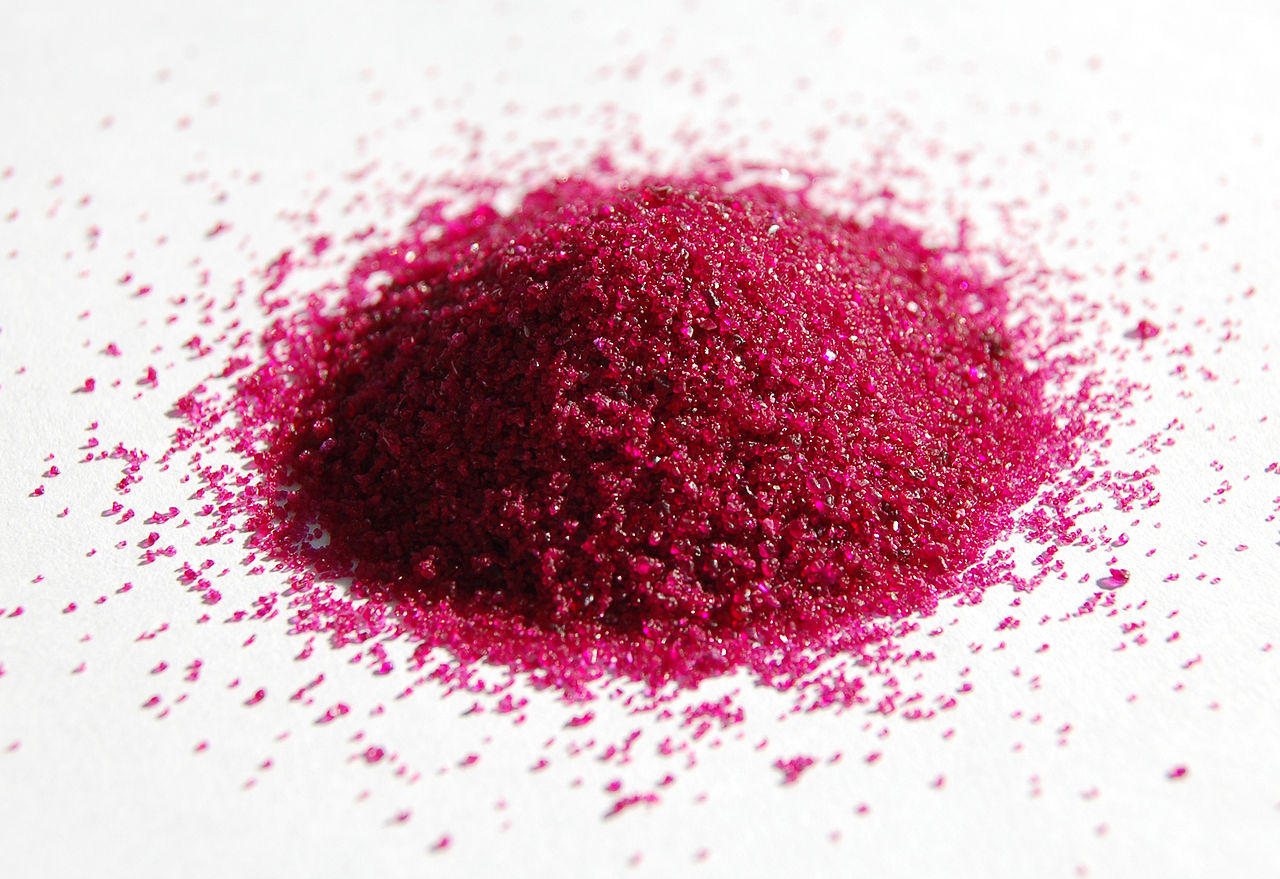
Cobalt is a hard, lustrous metal that resists corrosion in air. It commonly exhibits oxidation states of +2 and +3 in its compounds. Physically, it is ferromagnetic at ordinary temperatures, and chemically it forms a variety of oxides, sulfides and coordination complexes that are important both industrially and biologically.
Occurrence and production
In nature, cobalt is not usually found as a free metal but occurs within mineral ores such as cobaltite and as a minor component of nickel and copper deposits. Most commercial cobalt is recovered as a by-product of copper or nickel mining and refining. Reserves and production are concentrated in a few regions worldwide.
Major uses
- Rechargeable battery cathodes, particularly in some lithium-ion chemistries.
- High-strength, heat-resistant alloys and superalloys for turbine engines and industrial applications.
- Catalysts in chemical manufacturing and petroleum refining.
- Colorants and pigments (for example, characteristic blue pigments used in glass and ceramics).
- Radioisotope applications — cobalt-60 is used in medical radiotherapy and industrial irradiation.
Biological role and health
Cobalt is an essential trace element for many organisms because it is a central component of vitamin B12 (cobalamin), which is necessary for red blood cell formation and neurological function. At higher doses or in certain chemical forms, cobalt compounds can be toxic and may pose health risks with prolonged exposure.
History and name
The name "cobalt" derives from the German word for "goblin" or "kobold," reflecting miners' historical frustrations when ores that looked promising yielded toxic or worthless by-products. Over time, chemists isolated the metal and clarified its distinct properties.
Tags
Related articles
Author
AlegsaOnline.com Cobalt: Transition Metal Properties, Industrial Uses, and Biological Importance Leandro Alegsa
URL: https://en.alegsaonline.com/art/21283