
Cloak: history, design, uses, and cultural significance
A cloak is a loose, sleeveless outer garment worn over clothing for protection, style, or ceremonial use. This article explains design elements, historical development, regional variations, and modern uses.
Overview
A cloak is a sleeveless outer garment that hangs from the shoulders and is worn over other clothes. Historically used for warmth, weather protection and modesty, cloaks also serve decorative, ceremonial, or symbolic functions. Unlike coats or jackets, cloaks are typically unstructured and allow freedom of movement; they commonly fasten at the neck, shoulder, or across the front. Cloaks may be worn over indoor clothing or as part of an outdoor outfit.
Image gallery
5 Images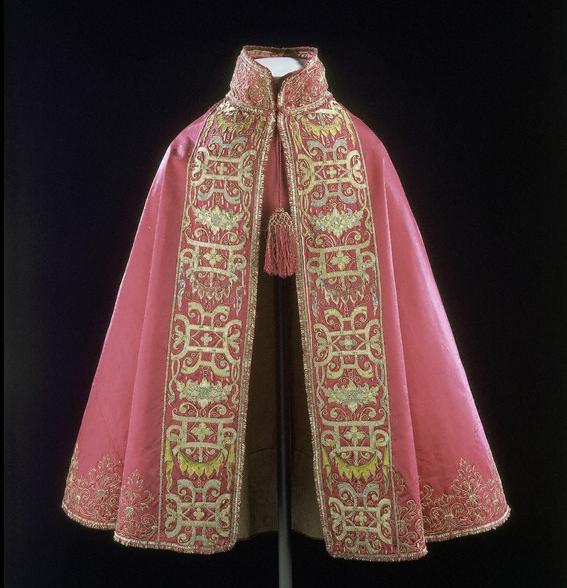


Design and components
Basic elements of a cloak include the body (a single draped panel or multiple cut pieces), the neck closure, and sometimes a hood. Most cloaks are sleeveless; some are short, reaching the hips, while others extend to the ankles. Common features are:
- Fastenings: toggles, brooches, buttons, or ties positioned at the neck or shoulder—see typical fastening styles at fastening examples.
- Hoods: attached or detachable for additional weather protection.
- Lengths: hip-length, knee-length, full-length (ankle), each suited to different climates and activities; general length references at length variations.
- Materials: wool, leather, silk, or modern synthetics chosen for warmth, water resistance, or drape—textile adaptations are discussed at textile and fashion changes.
History and cultural development
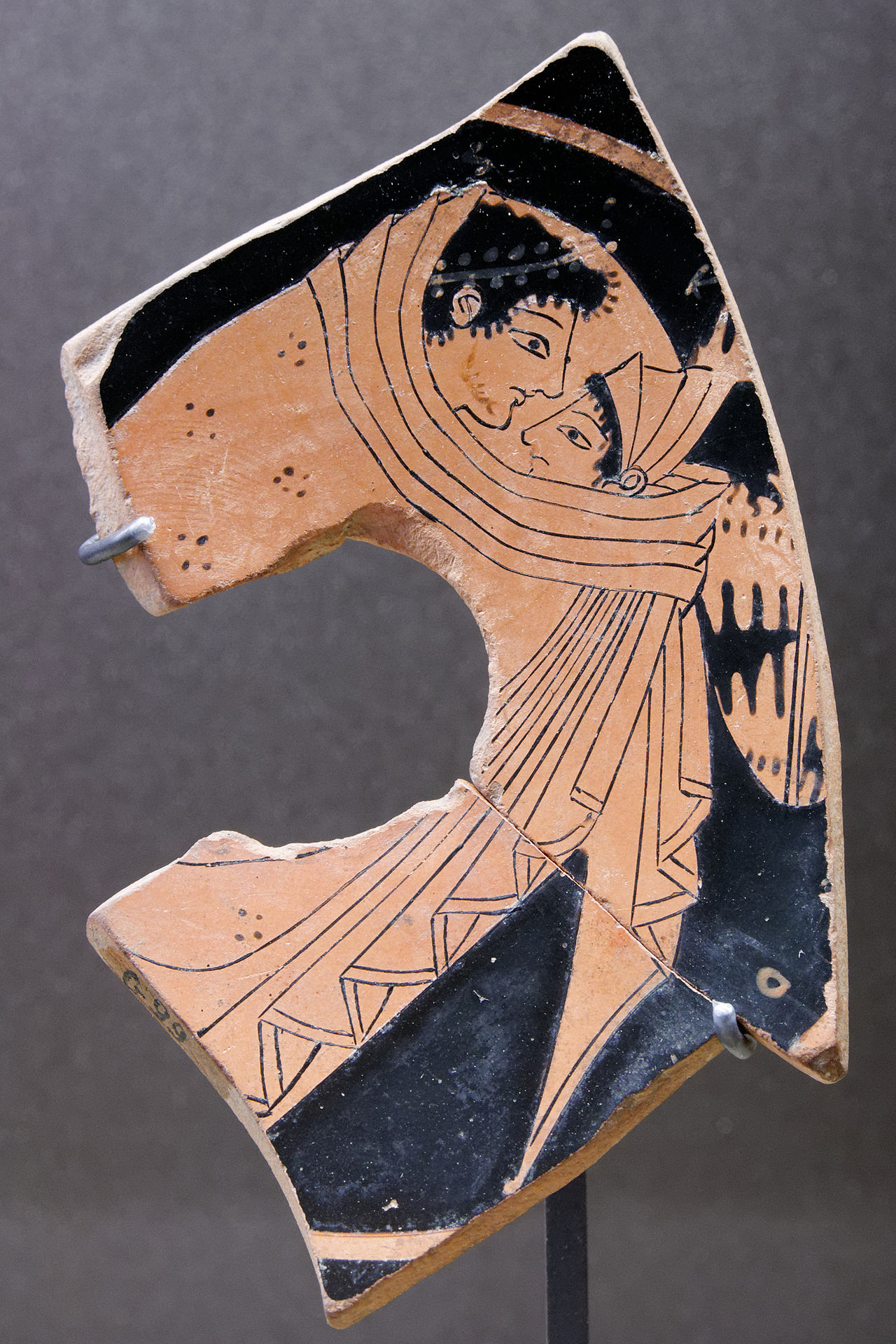
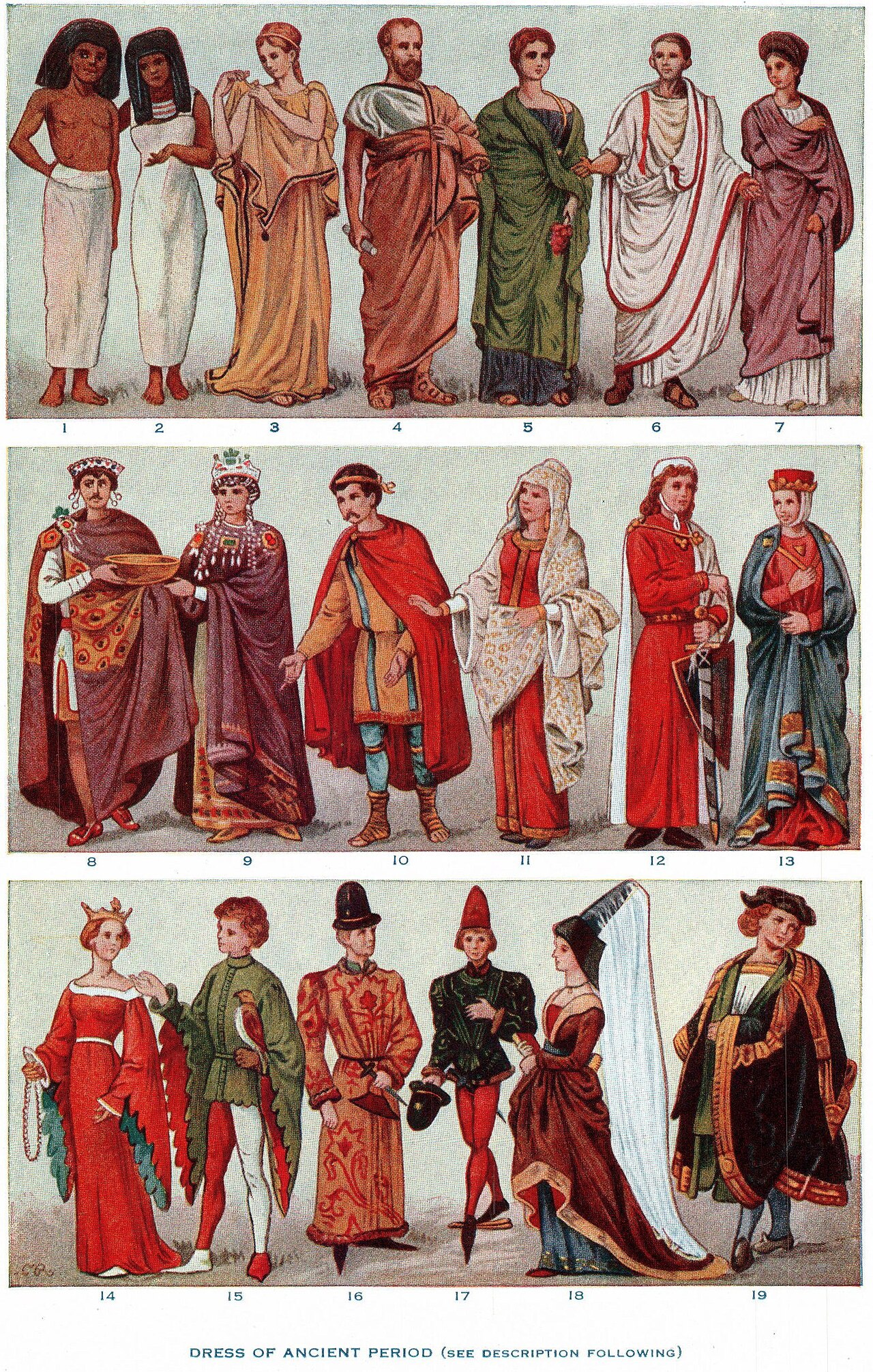
Cloaks are among the oldest types of outerwear, found in many ancient societies because they were simple to construct and versatile. Across regions, styles evolved with available materials and social needs: from practical capes used by travelers to elaborately decorated mantles worn by nobility or clergy. In some cultures the cloak signified rank, profession, or religious affiliation and became integrated into uniforms and ceremonial dress. Examples of such institutional use are outlined at uniform and ceremonial garments.
Uses, examples, and modern adaptations
Beyond their historical roles, cloaks appear in contemporary fashion, stage costume, and functional outerwear. They are used by reenactors, in religious processions, and by designers seeking dramatic silhouettes. Practical modern cloaks may incorporate waterproof coatings or insulation. Variants include the cloaklet or shoulder cape for evening wear, and travel capes designed for cycling or hiking.
Notable distinctions and practical considerations
When distinguishing cloaks from related garments, note that cloaks are generally sleeveless and draped rather than tailored; capes are often shorter, mantles may be heavier and more formal, and coats have sleeves and structured tailoring. Choosing a cloak involves considering climate, mobility, fastening placement, and length. For instructional guides and pattern resources, see general reference collections at practical wearing advice and curated design histories at textile archives.
Related articles
Author
AlegsaOnline.com Cloak: history, design, uses, and cultural significance Leandro Alegsa
URL: https://en.alegsaonline.com/art/21057
Sources
- etymonline.com : "Cloak"