
Coco Chanel: life, style innovations, business and legacy
Gabrielle 'Coco' Chanel (1883–1971), founder of the House of Chanel, reshaped 20th-century women's fashion with minimalist silhouettes, costume jewellery and Chanel No.5, leaving a lasting cultural and commercial legacy.
Overview
Gabrielle Bonheur "Coco" Chanel (19 August 1883 – 10 January 1971) was a French fashion designer and entrepreneur who founded the House of Chanel. She is widely credited with simplifying women's dress in the early 20th century, favoring practical, streamlined garments over the ornate corsetry that had dominated previous fashions. Chanel remains one of the century's most influential figures in fashion and business; she was listed by TIME among the 100 most influential people of the 20th century.
Image gallery
10 Images




Designs and innovations
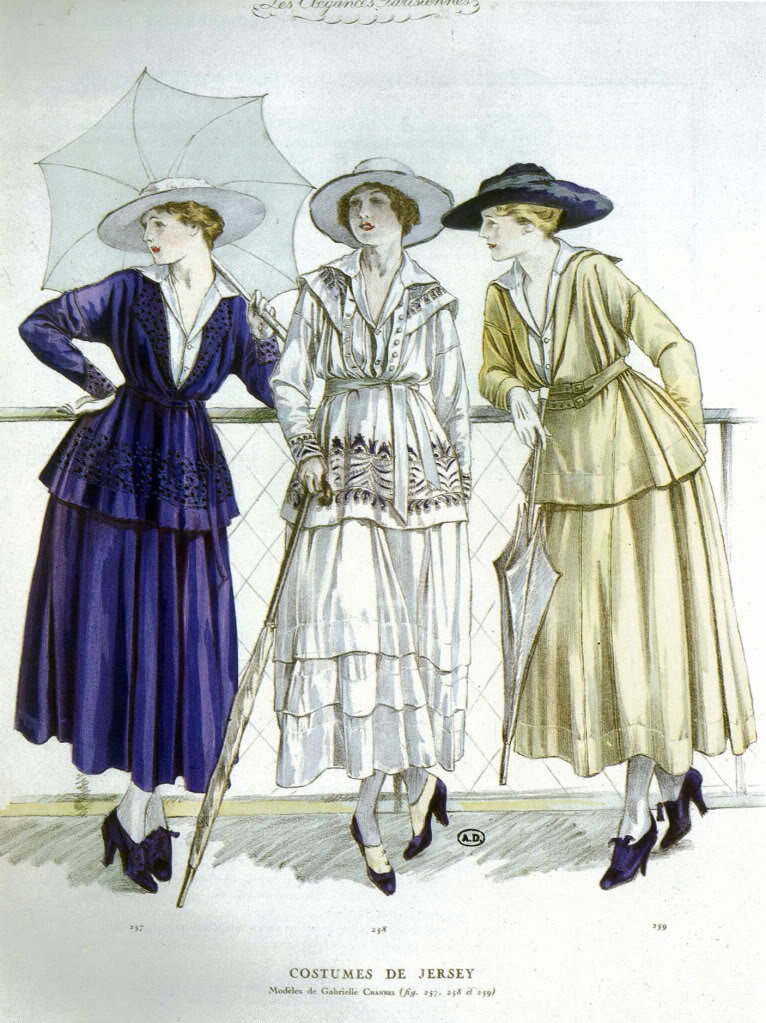
Chanel's approach emphasized comfort, clean lines and an androgynous sensibility. She popularized the little black dress, soft jersey fabrics for women's wear, and the two-piece tweed suit that modernized office and daywear for women. Her use of faux and mixed metals in costume jewellery gave accessories a new prominence. In 1921 she introduced a perfume that became iconic: Chanel No.5, notable for its abstract scent composition and its role in building a global luxury brand.
Business development
Beginning with millinery and small boutiques, Chanel expanded into ready-to-wear, couture, fragrance and accessories, creating a vertically integrated fashion house that continued after her death. She combined creative control with a shrewd sense of publicity and celebrity, allowing the brand to grow into an international luxury business. The House of Chanel endures as a major fashion and perfume company.
Notable creations
- Little black dress (LBD)
- Chanel suit (two-piece tweed look)
- Chanel No.5 perfume
- Costume jewellery and interlaced 'CC' logo accessories
Controversy and historical context
Chanel's personal life and wartime conduct have been subjects of study and debate. During the German occupation of France in World War II she lived in Paris and was criticized for a relationship with a German officer; these associations led to investigations and remain part of her complex legacy. Scholars weigh her artistic achievements against these wartime associations when assessing her historical role.
Legacy and influence
Chanel's influence is visible in contemporary fashion's emphasis on simplicity, functional tailoring and the blending of masculine and feminine elements. Her brand continues to shape luxury markets, creative direction and popular notions of modern elegance. For further reading on her life and designs see biographies and fashion histories, profiles of her career as a fashion designer, and resources about the House of Chanel at institutional or brand archives.
Questions and answers
Q: Who was Coco Chanel?
A: Coco Chanel was a French fashion designer and the founder of the House of Chanel.
Q: What was Coco Chanel's contribution to fashion?
A: Coco Chanel was a pioneer in the fashion industry and introduced several innovations in women's clothing, including the little black dress, the use of jersey fabric, and the Chanel suit.
Q: Was Coco Chanel recognized for her influence in the 20th century?
A: Yes, Coco Chanel was the only fashion designer to be named on TIME Magazine's 100 most influential people of the 20th century.
Q: What did Coco Chanel do during the German occupation of France?
A: Coco Chanel's behavior during the German occupation of France in World War II led to criticism.
Q: Did Coco Chanel face any backlash for her actions during the war?
A: Yes, Coco Chanel faced criticism for her actions during the war.
Q: Why did Coco Chanel break free of conventions?
A: Coco Chanel was a woman ahead of her time and wanted to challenge the rigid gender roles and fashion norms of her time.
Q: Was Coco Chanel a role model for some?
A: Yes, Coco Chanel became a role model for some through her work in the fashion industry and her unconventional lifestyle.
Related articles
Author
AlegsaOnline.com Coco Chanel: life, style innovations, business and legacy Leandro Alegsa
URL: https://en.alegsaonline.com/art/21344
Sources
- commons.wikimedia.org : Coco Chanel
- um.chanel.com : "Madamoiselle Chanel: the perennially fashionable"
- huffingtonpost.com : "7 Unusual Facts You Didn't Know About Coco Chanel"
- biography.com : "Coco Chanel"
- biography.com : Coco Chanel biography, Bio true story, p.1