
Cimmerians: Ancient Nomads of the Pontic Steppe
A concise overview of the Cimmerians: their identity as Iron Age horse nomads, debated origins and language, movements in the Black Sea region and Anatolia, archaeological and genetic evidence.
The Cimmerians were a mobile, horse-centered people of the early Iron Age widely described in Greek and Near Eastern sources as horse-riding nomads. Classical authors and modern scholars agree that they played an important role in the geopolitics of the Black Sea and Anatolian borderlands during the late 1st millennium BC. They are usually regarded as of Indo‑European cultural background, but the precise linguistic and ethnic identity of the Cimmerians remains debated.
Image gallery
10 Images

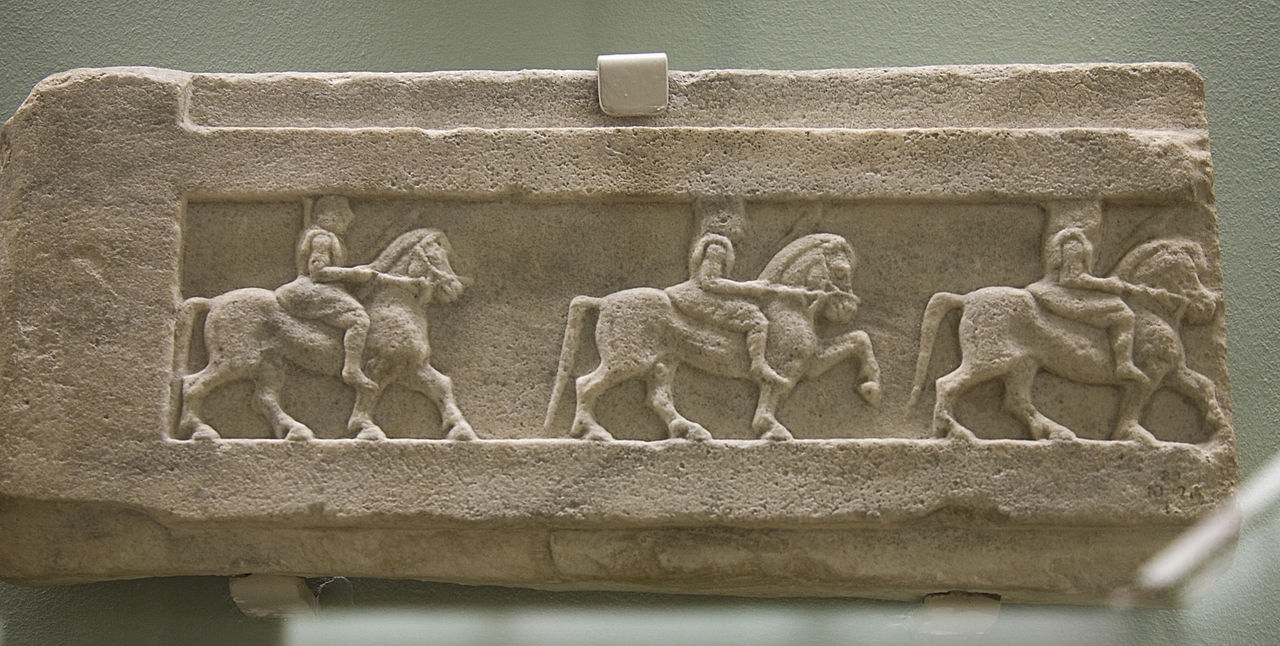

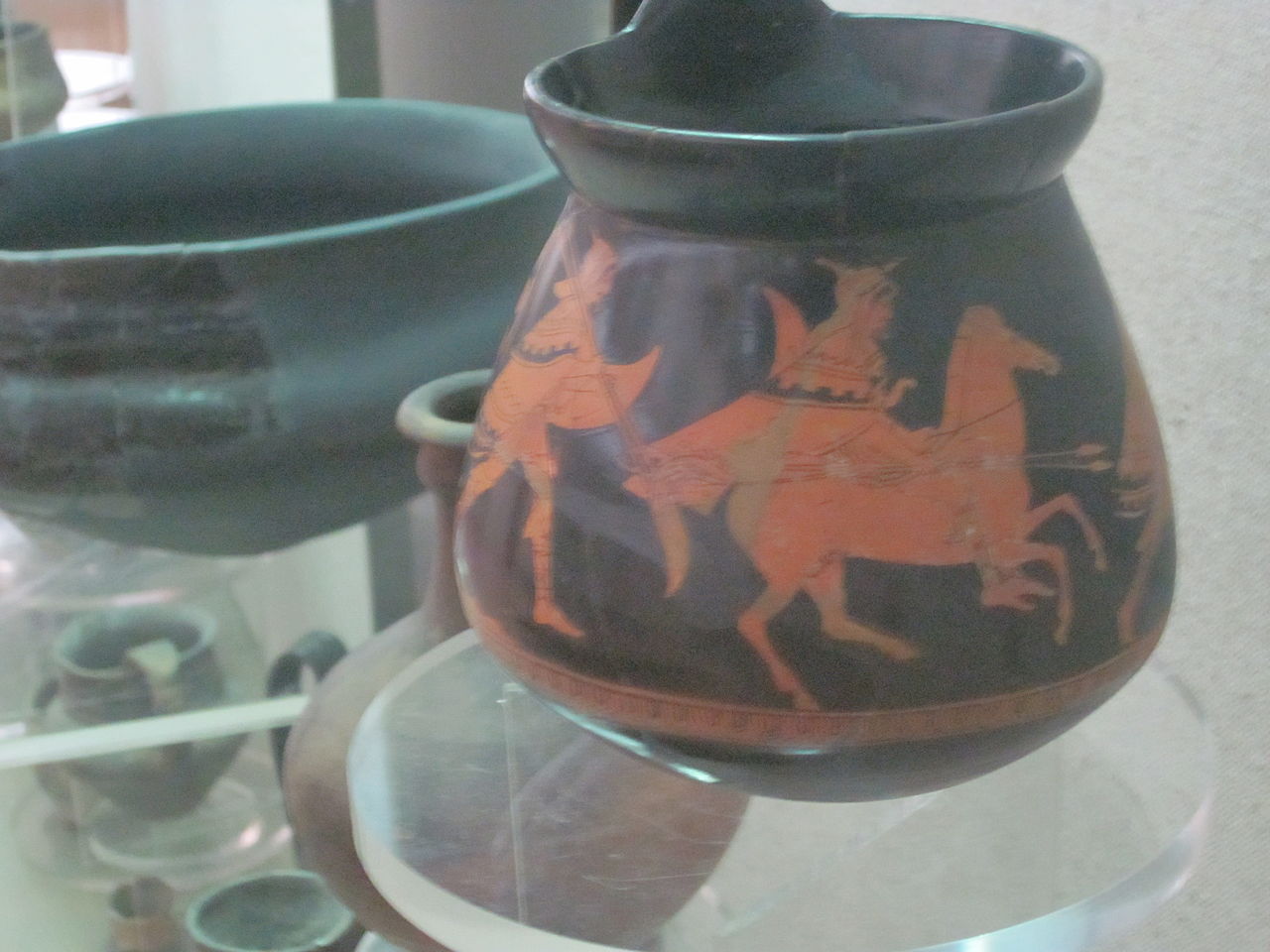


Identity and material culture
Contemporary records portray the Cimmerians as light-armoured cavalry and raiders, relying on horses, bows and mobile tactics typical of steppe pastoralists. Archaeological indicators linked to steppe nomads — horse gear, composite bows, and burial practices — are sometimes attributed to Cimmerian groups, but distinguishing them clearly from neighboring nomadic populations (such as Scythians) is difficult. Written descriptions survive mainly in Greek histories and Assyrian or Anatolian inscriptions rather than extensive self-produced records.
Geography, movements and historical impact
According to the Greek historian Greek sources and specifically Herodotus, the Cimmerians occupied lands to the north of the Caucasus and around the Black Sea during the 8th and 7th centuries BC (8th–7th centuries BC). Later accounts record waves of Cimmerian movement into Anatolia, where they appear as raiders and military actors affecting kingdoms such as Phrygia, Lydia and parts of eastern Anatolia. Classical and Near Eastern reports place some of their activity in the regions of modern Ukraine and Russia, though settlement patterns and archaeological visibility vary and are not always clear-cut.
Origins, language and scholarly debate
Modern scholars have long debated whether the Cimmerians spoke an Iranian dialect, a language related to Thracian, or represented a mixed confederation of several steppe-speaking groups. The historical picture is complicated by regular population movements on the Eurasian steppes, the presence of similar material culture across ethnic lines, and the fragmentary nature of ancient textual evidence. Some researchers emphasize links to earlier Bronze Age cultures of the Pontic–Caspian steppe; others stress contacts and assimilation with neighboring peoples.
Archaeology and genetics
Archaeological identification of Cimmerian sites is tentative: graves, weapons and horse trappings plausible for Cimmerians overlap with Scythian and other nomadic assemblages. Ancient DNA studies in the late 2010s have added important detail by showing heterogeneity among individuals attributed to Cimmerian contexts. A 2018 study reported East Asian-associated Y-chromosome markers in at least one sample, suggesting connections to eastern steppe lineages; later analyses (2019) found other individuals carrying R1a lineages common in West Eurasia. These results point to a cosmopolitan steppe population with both western and eastern genetic influences rather than a single uniform origin.
Legacy and notable facts
- The Cimmerians are among the earliest recorded nomadic groups to influence settled Near Eastern states, illustrating how steppe mobility reshaped Iron Age geopolitics.
- Our understanding relies on outsiders' accounts (Greek and Assyrian) and limited archaeological correlates, which leaves many questions open about their language and social organization.
- Recent interdisciplinary studies — combining texts, archaeology and genetics — emphasize population mobility and mixture across the Eurasian steppe during the early Iron Age.
For further reading on sources and debates see classical testimonies and modern syntheses of steppe archaeology and ancient DNA research. Scholarly discussion continues about precise origins, routes of migration and the extent to which the name "Cimmerian" designated a single people, a political confederation, or a broader category applied by neighbors. For primary ancient references and summaries consult editions of Herodotus and Near Eastern inscriptions as well as recent archaeological surveys and aDNA publications.
Related topics and references: evidence, comparative steppe nomad studies (nomadic tactics), Indo‑European linguistic comparisons (language family), and regional histories of the Caucasus and Black Sea zones. Additional resources and databases may be consulted via specialist bibliographies and archaeological reports (chronologies, regional surveys, site reports).
Related articles
Author
AlegsaOnline.com Cimmerians: Ancient Nomads of the Pontic Steppe Leandro Alegsa
URL: https://en.alegsaonline.com/art/20384
Sources
- advances.sciencemag.org : "Ancient genomes suggest the eastern Pontic-Caspian steppe as the source of western Iron Age nomads"
- semanticscholar.org : ärve, Mari et al. 2019