
Classical Athens: politics, culture, and legacy (c. 508–322 BC)
An overview of Classical Athens — its democratic institutions, cultural achievements, military power, economic base, key figures, and historical development from the reforms of Cleisthenes to Macedonian domination.
Overview
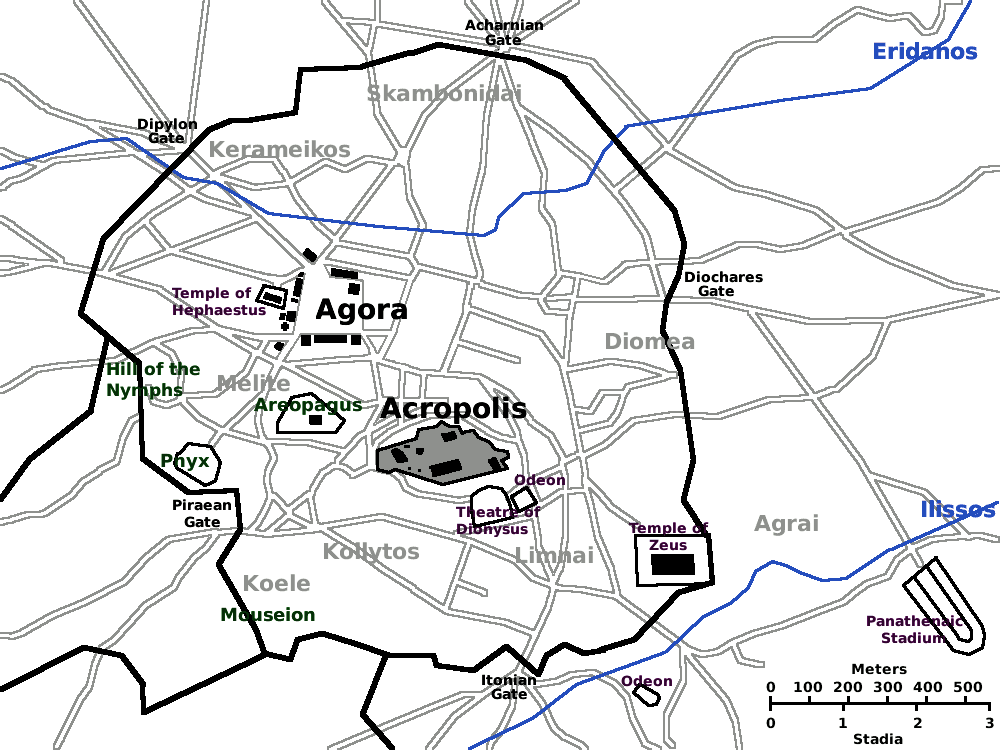
Classical Athens denotes the period when the city of Athens became the dominant cultural and political force in mainland Greece, conventionally dated from the democratic reforms of Cleisthenes (c. 508/507 BC) to the city’s loss of political autonomy in the early Hellenistic age (around 322 BC). During these centuries Athens developed institutions, artistic forms and philosophical traditions whose influence extended across the Greek world and later into Western civilization. This era is often called the classical period in scholarship because of the combination of political innovation and creative achievement concentrated in the city.
Image gallery
9 Images



Political institutions and citizenship
Athenian government in this period is best known for its experiment in direct governance by male citizens. The main bodies included the ekklesia (assembly of citizens), the boule (council of 500 that prepared business for the assembly), and the popular law courts. Most public offices were filled by lot to prevent domination by elites, while some strategic or military posts were elected. Citizenship was restricted—women, resident foreigners (metics), and slaves lacked political rights—so the democratic system operated within a narrow social framework. The Athenian model emphasized broad participation, collective deliberation, and public accountability; these features shaped later debates about democracy.
Cultural and intellectual life
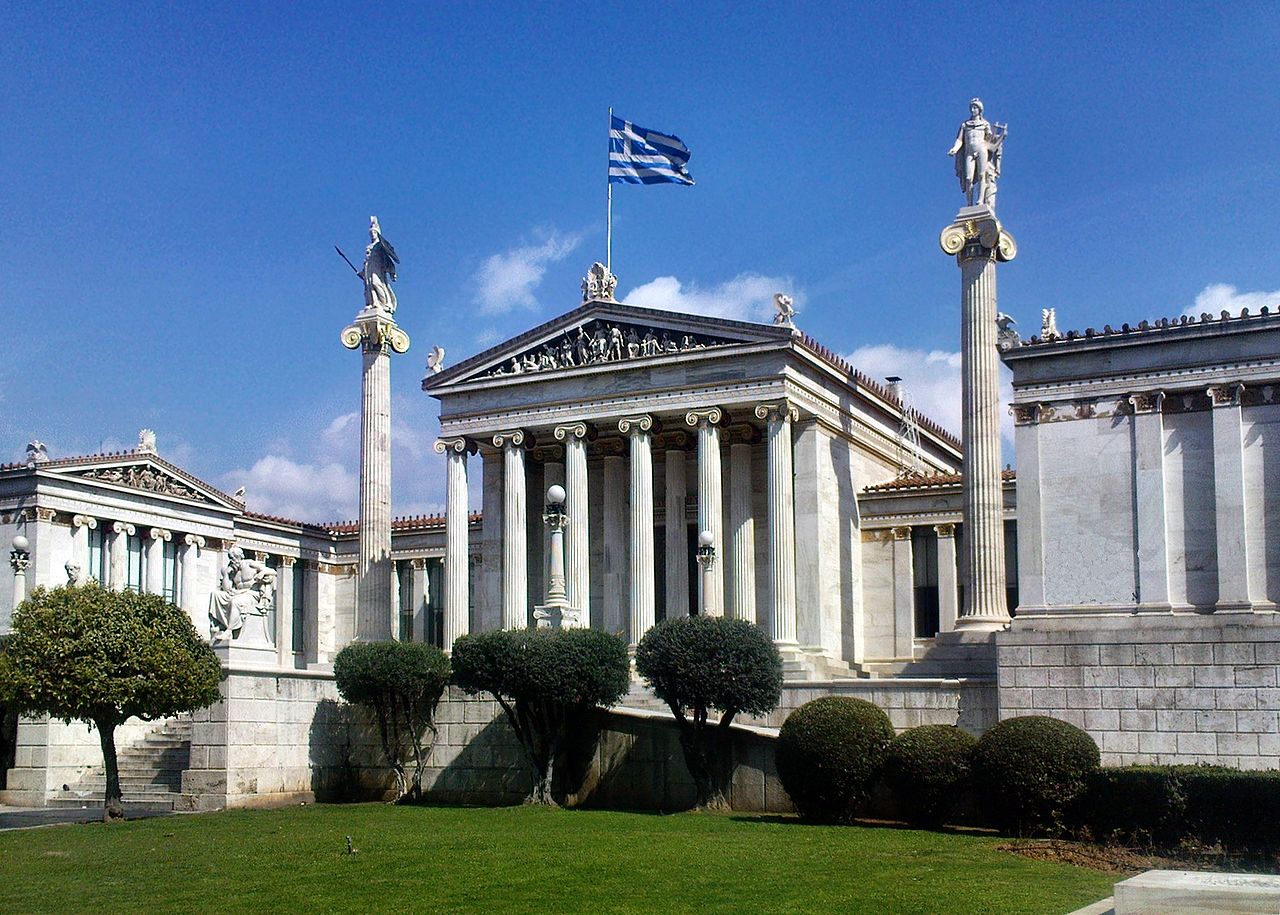
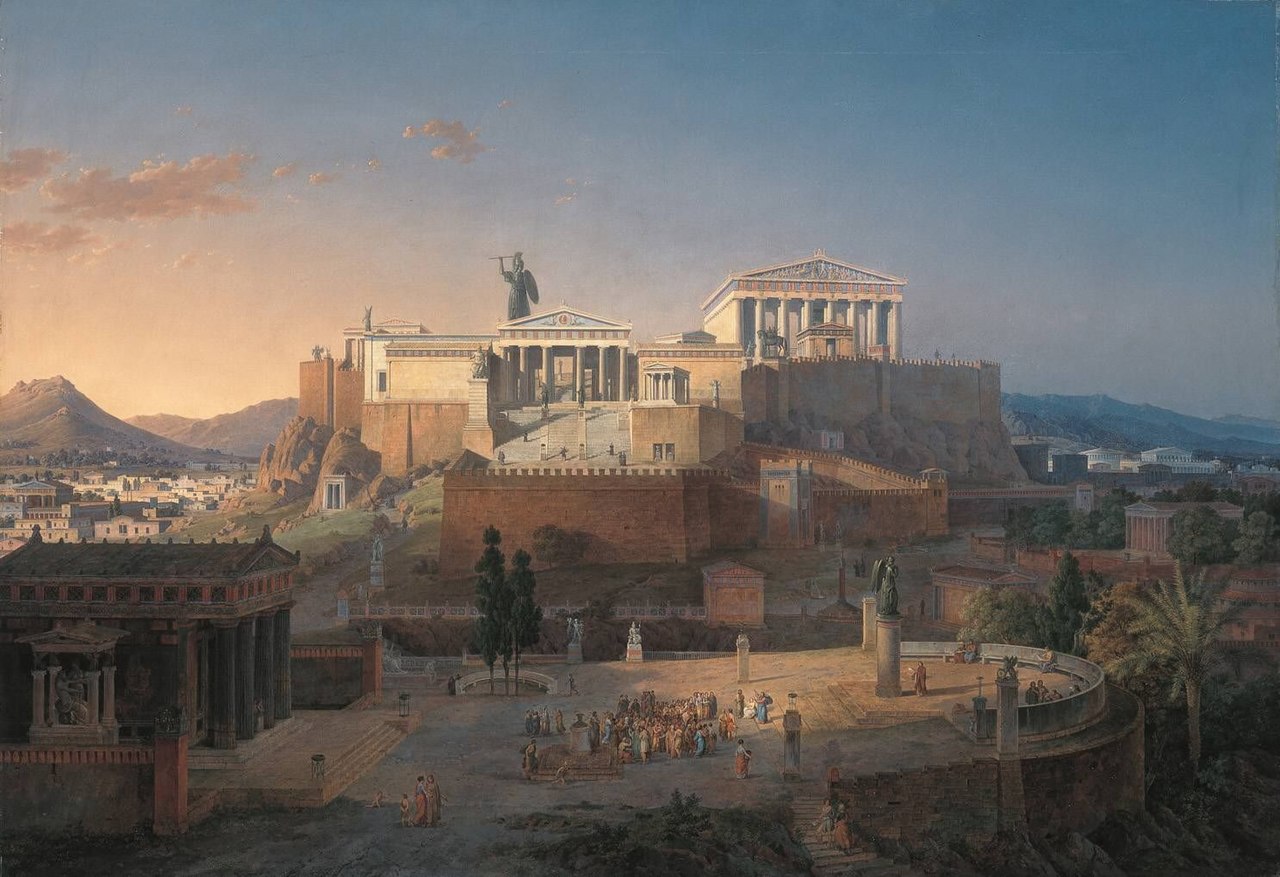
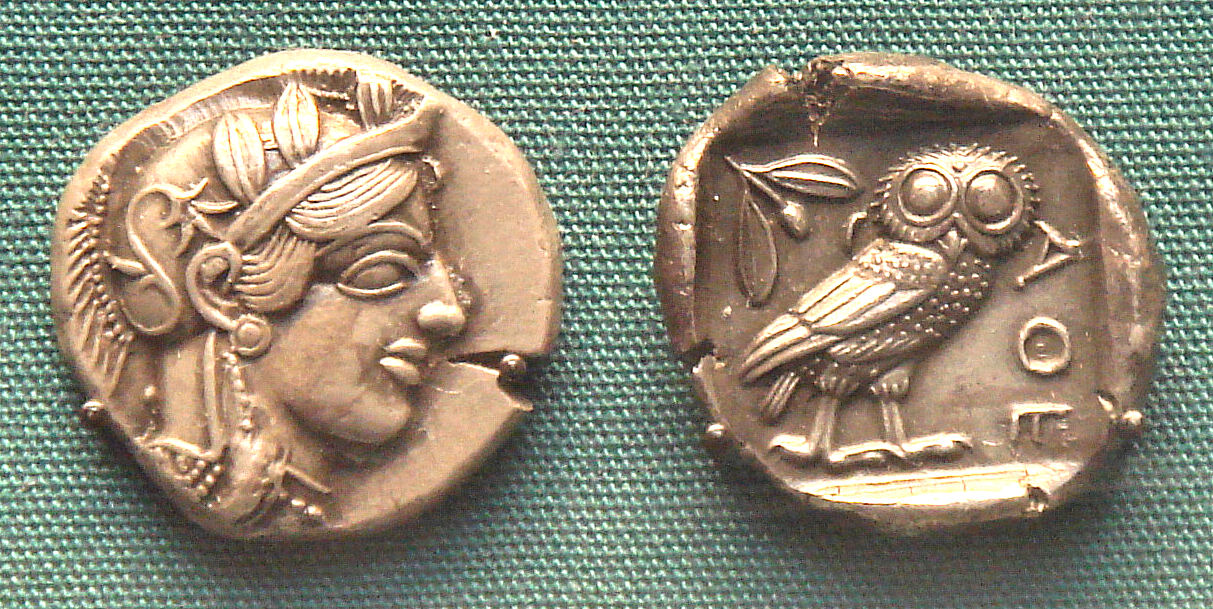
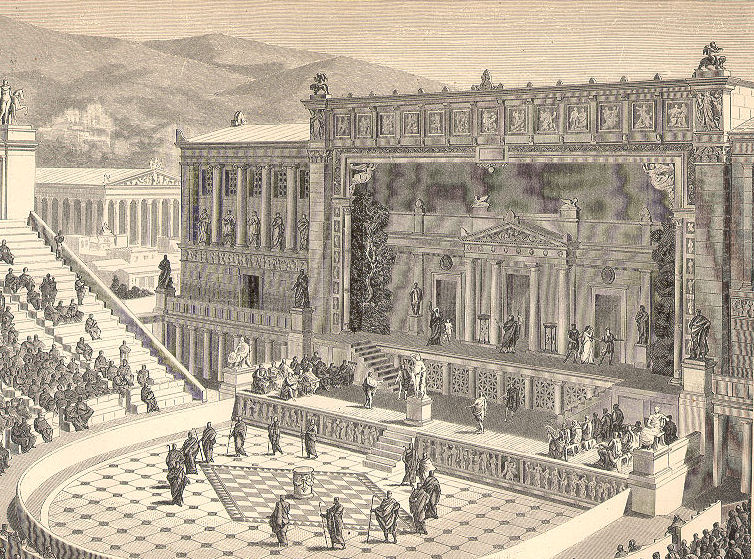
Classical Athens was a major center for drama, history, art and thought. Tragedy and comedy were performed at religious festivals such as the City Dionysia; dramatists like Sophocles, Euripides and Aristophanes produced plays that probed ethical, social and political issues. Historians such as Herodotus and Thucydides developed narrative and analytical approaches to the past. In philosophy, Athens was home to Socrates (Socrates), who emphasized ethical inquiry, and to schools subsequently founded by Plato (the Academy) and Aristotle (the Lyceum). The city’s artistic output—sculpture, architecture (notably the Acropolis temples), and coinage—set aesthetic standards for the Greek world.
Military power and alliances
Athens combined a strong navy with commercial reach to become a maritime power. After the Persian invasions of the early 5th century BC, Athens took a leading role in organizing collective defense among Greek city-states, founding the Delian League in the 470s BC. League resources and naval strength helped Athens protect trade routes and project influence, but the alliance eventually became an instrument of Athenian policy and wealth: the common treasury and contributions funded both defensive needs and civic building programs in Athens. Rivalries with land-based coalitions led by Sparta produced prolonged conflict—most famously the Peloponnesian War—which altered the balance of power across Greece.
Economy and social life
The Athenian economy relied on maritime commerce, silver mining, agriculture in Attica, and skilled crafts. Revenues from trade and resources allowed substantial public spending on festivals, dockyards and monuments. The naval character of Athens also shaped its social structures: many Athenian rowers were lower-status citizens (the thetes), and service at sea granted them political leverage. Slavery and the presence of resident foreigners shaped daily life, while religious observance and civic festivals structured the city’s public calendar.
History and turning points
Key phases of Classical Athens include the rise and consolidation of democracy after Cleisthenes’ reforms, the city’s leadership in resisting Persian aggression in the early 5th century, the 5th-century “Golden Age” under leaders such as Pericles, and the later decline in the face of protracted internecine wars. The Peloponnesian War (431–404 BC) ended in Athenian defeat and temporary loss of empire; Athens recovered some autonomy in the 4th century but never fully regained its former hegemony. The growing power of Macedon under Philip II and Alexander the Great ultimately curtailed Athenian independence, and in the early 320s BC Macedonian influence extinguished the city’s independent democratic institutions.
Legacy and notable distinctions
Classical Athens is frequently described as the birthplace of many features associated with Western political and intellectual life: sustained public debate, early experiments in mass political participation, dramatic literature, systematic historical writing, and philosophical inquiry (philosophy). Its achievements were not universal—citizenship was limited and social inequalities persisted—but the cultural output and institutional experiments of this period echo in later political theory, literature and education. For further introduction and topics for study see resources on the city, its leaders, and its artists via these entries: Delian League treasury and sanctuaries, Cleisthenes’ reforms, Athenian democracy, and biographical paths about its thinkers and dramatists.
- Important figures: Socrates, Plato, Aristotle, Pericles, Sophocles
- Major rival: Sparta
- Key institutions: assembly, council, popular courts, naval command
- Period label: Classical Greece
Because many modern accounts continue to draw on Athenian examples, studying Classical Athens illuminates how ancient political choices and cultural innovations influenced later civilizations, while also highlighting the limitations and exclusions of those ancient systems.
Questions and answers
Q: What was Classical Athens and what time period did it refer to?
A: Classical Athens referred to the city of Athens from 508 to 322 BC.
Q: When was Athenian democracy established and under whose rule?
A: Athenian democracy was established in 508 BC under Cleisthenes, after the tyranny of the Peistratids and the rule of Isagoras.
Q: How long did Athenian democracy remain stable?
A: Athenian democracy remained remarkably stable, with a few brief interruptions, for 180 years until 322 BC.
Q: What was the importance of Athens in ancient times?
A: Athens was one of the most powerful cities and was important because democracy developed there. It was also a center for the arts, learning, and philosophy, and the birthplace of many famous philosophers, writers, and politicians.
Q: What was the Delian League and when was it established?
A: The Delian League was established in 477 BC by Athens to join city-states for protection against the Peloponnesian League led by Sparta.
Q: Where was the money of the Delian League kept?
A: The money of the Delian League was kept in the temple of Apollo.
Q: What were the cultural and political achievements of Athens during the 5th and 4th centuries BC?
A: Athens is widely referred to as the cradle of western civilization and the birthplace of democracy. Its culture and political achievements had widespread effects during the 5th and 4th centuries BC.
Related articles
Author
AlegsaOnline.com Classical Athens: politics, culture, and legacy (c. 508–322 BC) Leandro Alegsa
URL: https://en.alegsaonline.com/art/20769
Sources
- commons.wikimedia.org : Ancient Athens
- culture.gr : "Plato's Academy" · web.archive.org · web.archive.org
- cnn.com : cnn.com/WORLD/9701/16/greece.lyceum/index.html
- bbc.co.uk : "BBC - History - Ancient History in depth The Democratic Experiment"
- encarta.msn.com : Encarta: Ancient Greece · webcitation.org
- books.google.com : Women’s studies encyclopaedia, Volume 2
- books.google.com : Spartan Women