
8th century BC
The 8th century BC (800–701 BC) saw major political consolidation and cultural shifts: Neo-Assyrian expansion, Phoenician trade and alphabet influence, Greek cultural beginnings, early Rome and Chinese dynastic change.
The 8th century BC covers the years 800–701 BC. It belongs to the early Iron Age in much of Eurasia and is marked by territorial expansion by powerful states, growing long‑distance trade, and important cultural developments that shaped later ancient history.
Image gallery
2 Images
Major regions and events
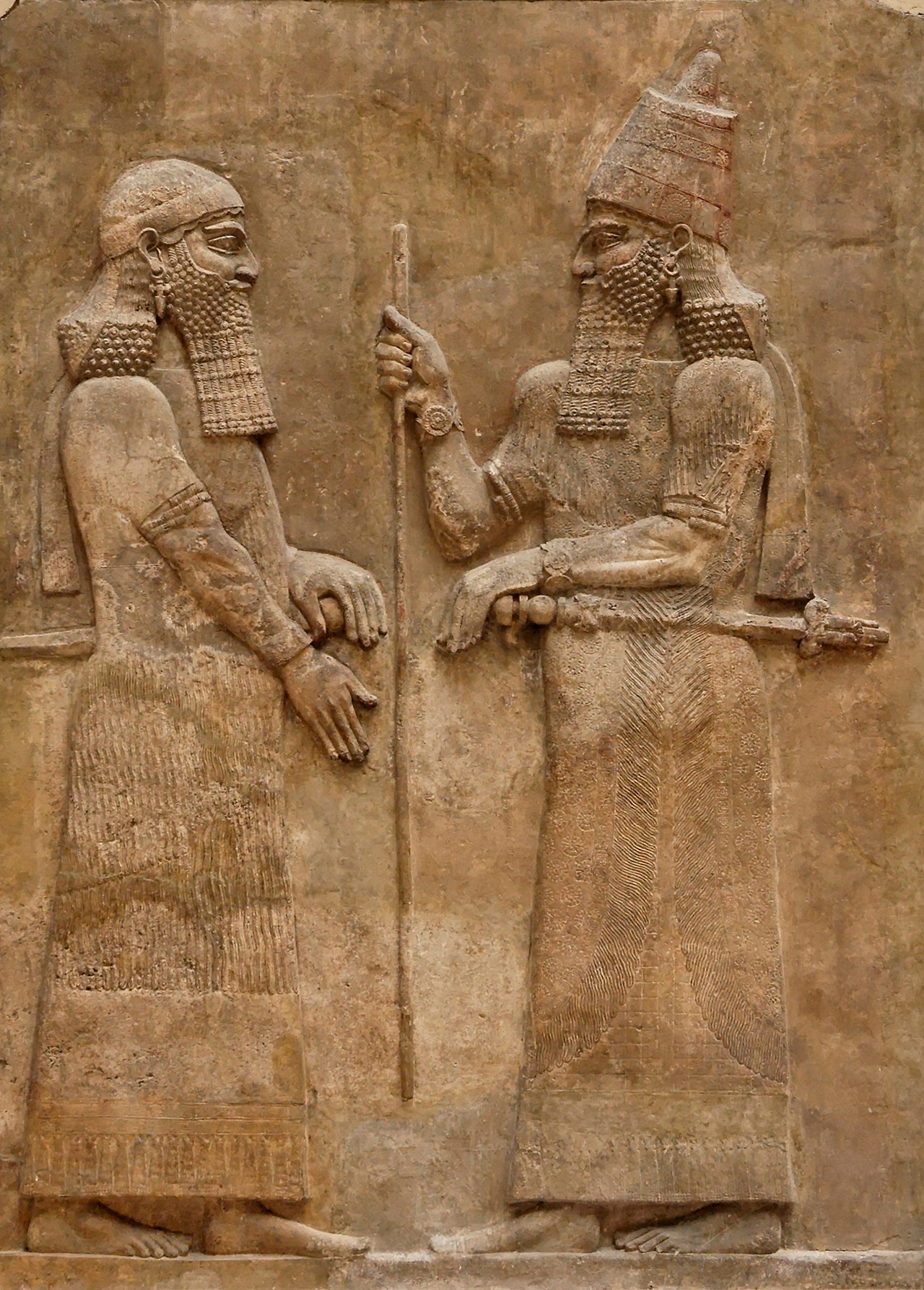
- Near East: The Neo‑Assyrian state grew into a dominant military power, expanding the reach of Mesopotamian administration and warfare across the Levant and Anatolia. Assyrian campaigns reshaped the political map of the eastern Mediterranean.
- Levant and Mediterranean: Small kingdoms and city‑states persisted; the northern Kingdom of Israel fell to Assyria in the 720s BC. Phoenician city‑states intensified maritime trade and founded western colonies, transmitting their alphabetic script to Greek communities.
- Greek world: The period marks the beginning of the Greek Archaic era: the adoption and adaptation of the Phoenician alphabet into the Greek script, the gradual formation of city‑states (poleis), and the composition of early epic poetry often attributed to Homer.
- Italy and central Mediterranean: Traditional accounts date the founding of Rome to 753 BC and of Carthage to the early 9th–8th century BC; archaeological evidence shows rising urbanization and cultural interaction among Italic, Etruscan, and Greek communities.
- East Asia: In China, the collapse of the Western Zhou court around 771 BC led to the Eastern Zhou era and the opening phase of what later historians call the Spring and Autumn period, with shifting regional powers.
Technological and cultural continuities include the wider use of iron tools and weapons, expanding trade networks across the Mediterranean and Near East, and the spread of alphabetic writing that enabled broader literacy and record‑keeping. The 8th century BC thus represents a transitional moment when local and regional changes laid foundations for the classical civilizations that followed.
Related articles
Author
AlegsaOnline.com 8th century BC Leandro Alegsa
URL: https://en.alegsaonline.com/art/113105