
Nomad: nomadic peoples, lifestyles, and historical roles
An overview of nomads: their defining traits, types (pastoralists, itinerant traders), historical significance, regional examples, and contemporary distinctions in mobility and settlement.
Nomads are people whose primary mode of life involves regular movement rather than permanent residence in a single settlement. That mobility can be seasonal, cyclical or irregular, and it takes many forms around the world. Some groups are well known in Europe, such as Gypsies, the Roma, the Sinti and Irish travelers, while elsewhere whole ethnic traditions are associated with mobility, including various ethnic groups and distinct communities like the North African Berbers, the Bedouin of the deserts and Central Asian pastoralists.
Image gallery
10 Images





Characteristics and types
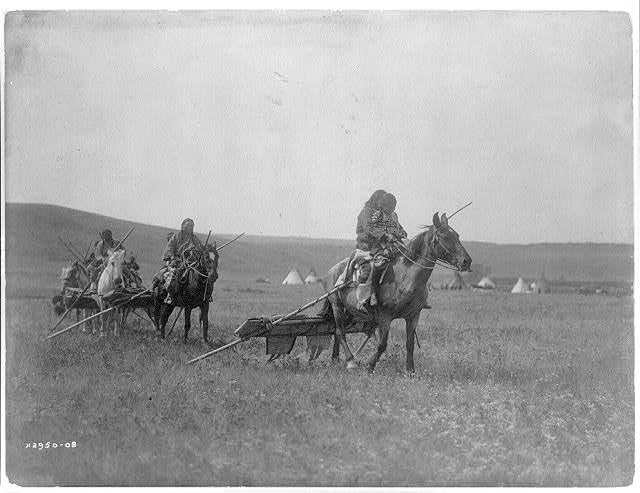
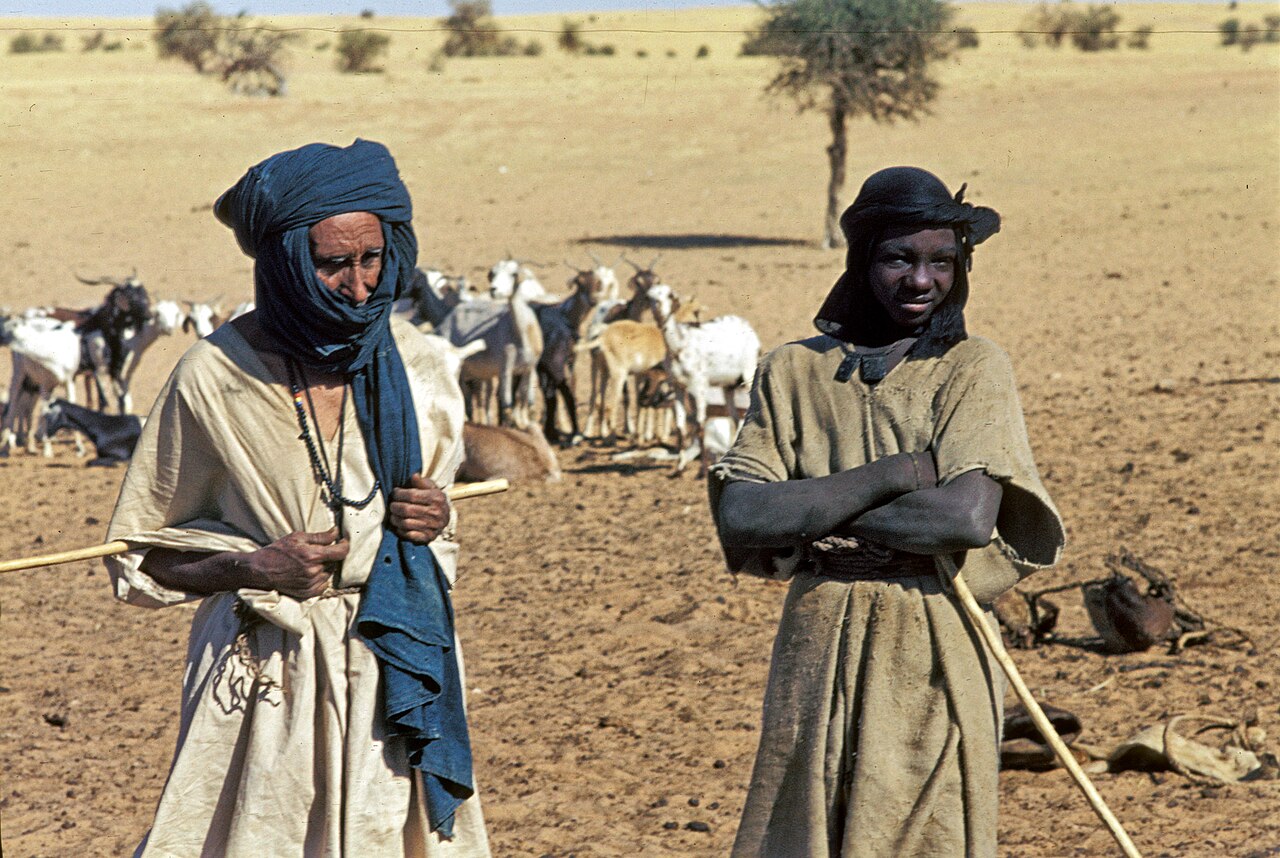
Nomadic systems vary, but several broad types recur in ethnographic and historical descriptions. Pastoral nomadism centers on herding animals and moving to find grazing: families drive herds of cattle, flocks or horses between seasonal pasture grounds in response to climate and forage. Itinerant tradespeople and craftsmen travel to markets or towns to sell goods and services. Some groups combine patterns, practicing mobility for part of the year while retaining a more permanent dwelling base.
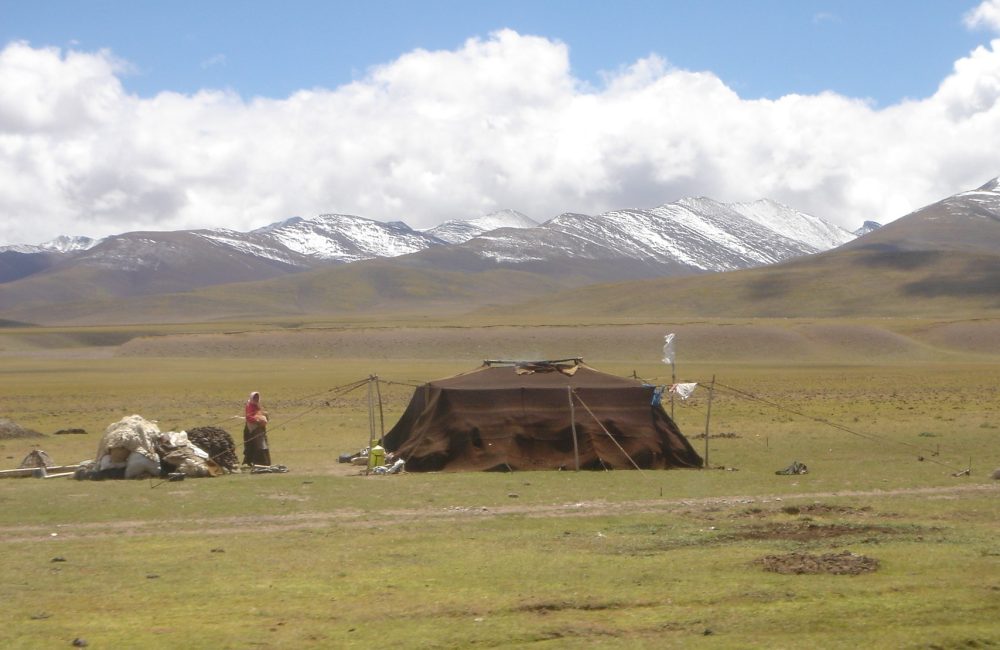
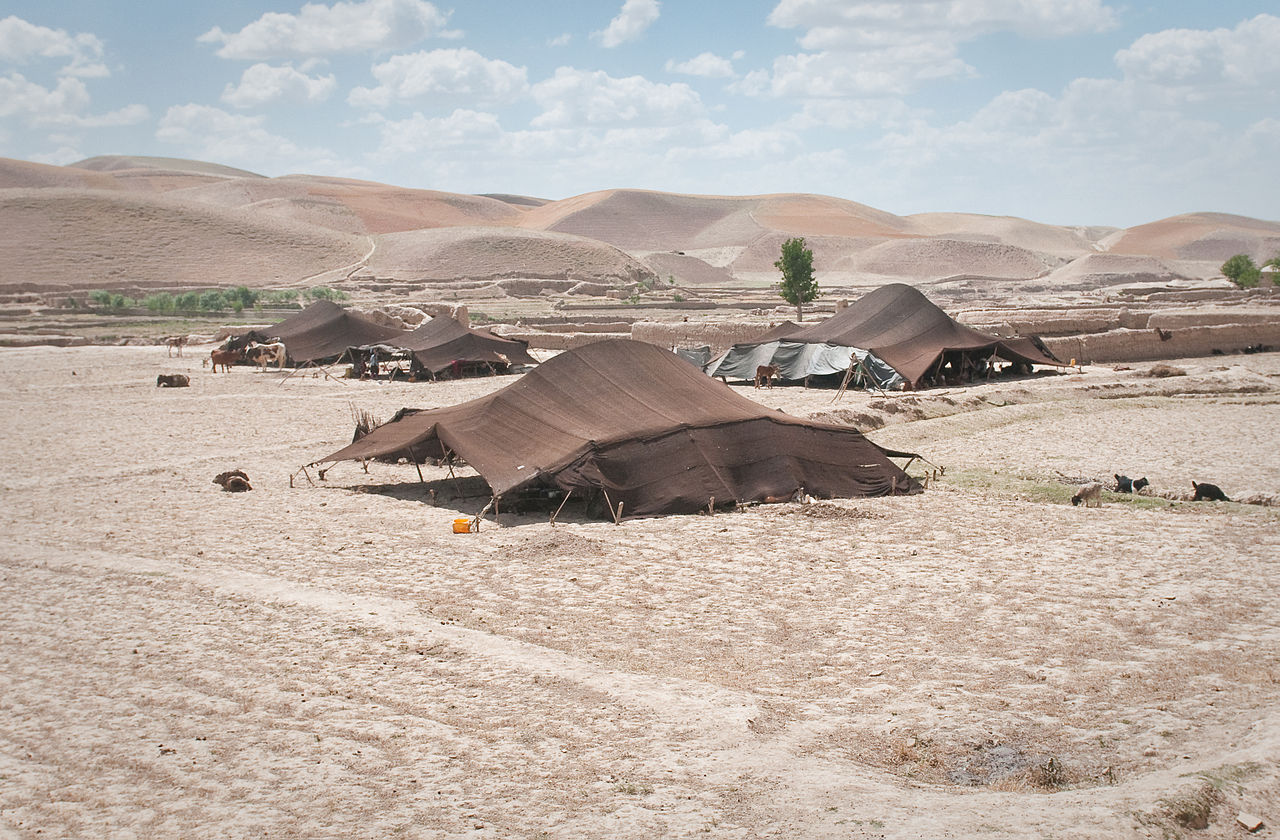
- Housing: many pastoralists use portable structures such as tents, yurts or similar shelters that can be assembled and dismantled quickly.
- Seasonality: movements are often timed to winter and spring grazing cycles or to avoid adverse weather.
- Mobility and economy: travel supports herding, trade, craftwork or services; goods and social knowledge move with people as well as animals.
History, warfare and cultural impact
Over centuries nomadic peoples have shaped trade routes, frontier zones and state formation. Mobile cavalry forces drawn from steppe societies are a prominent example: mounted warriors used speed and maneuverability to influence large-scale political events. Leaders such as Genghis Khan organized mobile armies that deployed cavalry tactics adapted from pastoral life. At the same time, many nomadic groups maintained peaceful roles as merchants, guides, and cultural intermediaries between sedentary regions.
Regional examples and life cycles
Different environments produce distinctive nomadic practices. Arctic and subarctic peoples like the Sami conduct semi-nomadic movements tied to herding reindeer, bringing animals to coastal or inland pastures in warmer months and to sheltered winter sites in colder months. Desert nomads follow water and grazing corridors, while steppe pastoralists move to highland pastures at certain seasons. Migration can be migratory and cyclic, repeating each year to match ecological rhythms.
Contemporary patterns and distinctions
Today many formerly nomadic groups have adopted mixed strategies: some retain seasonal mobility for livestock while maintaining a permanent household; others settle permanently but preserve cultural practices tied to travel. Legal frameworks, land use changes and modern infrastructure influence choices: roads, markets and national borders can restrict or redirect traditional routes. At the same time, some communities continue itinerant trades and maintain identities associated with mobility.
Understanding nomadism requires attention to ecology, economy and social organization: mobility is an adaptive response to resource variability, a way of life with distinct material culture, and a social identity that has interacted with states, markets and other societies across history.
Questions and answers
Q: What are some examples of nomadic people in Europe?
A: The best known examples of nomadic people in Europe are gypsies, Roma, Sinti, and Irish travelers.
Q: What is the main reason why many nomads move from one place to another?
A: Many nomads move from one place to another mainly because they need to change places due to the weather conditions for herding their livestock such as cattle or horses from pasture to pasture.
Q: How do semi-nomadic tribes like the Sami of Lapland live?
A: The Sami of Lapland are a semi-nomadic tribe who lead their own herd of reindeer to winter feeding grounds and then return them in the spring to their feeding ground close to a permanent home base, where their family lives. This cycle happens every year.
Q: How can skills related with nomadic life be useful?
A: Skills related with nomadic life can be useful in mobile warfare, and have been used in attacking sedentary agricultural and urban people. Genghis Khan and the Mongol hordes, for example conquered vast areas in Asia by organizing themselves as cavalry.
Q: What type of transport do most traders or craftsmen use when they travel?
A: Most traders or craftsmen who travel usually use wagons as these are better for carrying goods.
Q: What type of dwellings do most herdsmen live in while travelling?
A: Most herdsmen usually live in tents with few things inside while travelling.
Q: Are there any other ethnic groups that traditionally practice a nomadic lifestyle apart from those mentioned above? A: Yes, there are other ethnic groups that traditionally practice a nomadic lifestyle such as Berbers, Kazakhs, and Bedouin apart from those mentioned above.
Related articles
Author
AlegsaOnline.com Nomad: nomadic peoples, lifestyles, and historical roles Leandro Alegsa
URL: https://en.alegsaonline.com/art/70578