
Cicely (Myrrhis odorata): overview, characteristics, uses, and cultivation
Cicely, or sweet cicely (Myrrhis odorata), is a perennial herb in the carrot family valued for its anise-like flavor, fragrant leaves and flowers, culinary uses, and traditional folk uses across Europe.
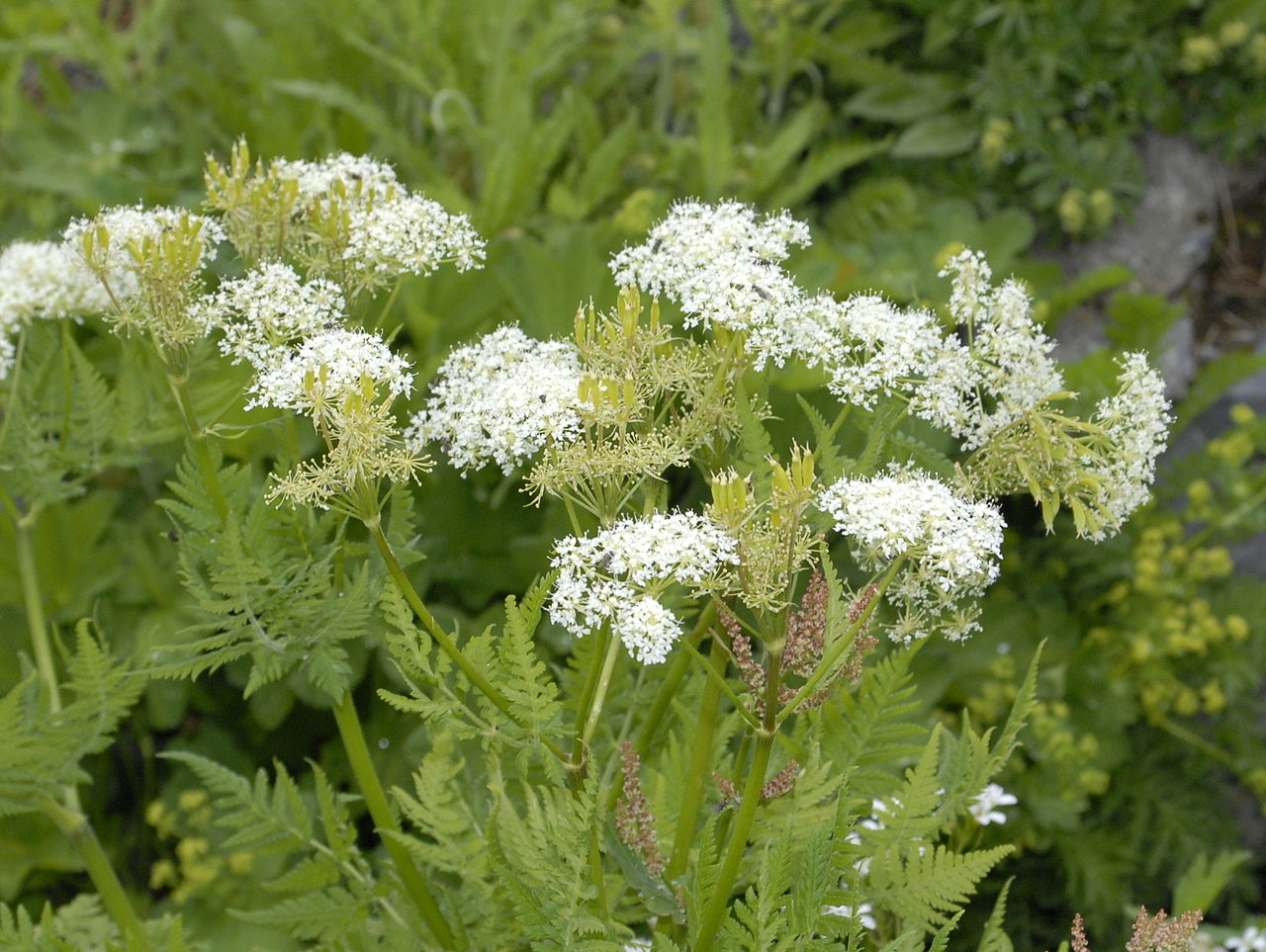
Cicely, commonly called sweet cicely, is the herbaceous perennial Myrrhis odorata in the family Apiaceae. Native to parts of Europe, it is grown in gardens and wild hedgerows for its aromatic foliage and delicate white umbels. Plants may reach about two metres in favorable conditions and are recognizable by their divided leaves and sweet, anise-like scent.
Image gallery
3 Images

Characteristics
The stems are erect and hollow, bearing pinnate leaves with many leaflets; each leaflet has a soft texture and a pleasant aroma when crushed. In late spring and early summer the plant produces compound umbels of small white flowers that attract insects. After flowering the plant forms elongated, slender seeds that can be collected for propagation. The leaves and young shoots are the most aromatic parts and are often used fresh.
History and distribution
Cicely has a long association with European herb gardens and cottage gardens where it was valued both as a culinary herb and as a sweet-scented companion plant. It grows naturally in cool, moist locations such as woodland edges and riverbanks. Over time gardeners have spread it beyond its native range and it is now cultivated in temperate gardens in many regions.
Uses and examples
- Culinary: Leaves and young stems flavor desserts, fruit preserves and beverages with a mild anise/licorice note; roots and seeds have also been used as spice substitutes.
- Ornamental: The plant provides texture and fragrance in shady borders and naturalistic plantings.
- Traditional uses: In folk medicine it has been applied as a gentle digestive aid and aromatic remedy, though historical uses should not replace modern medical advice.
For gardeners, cicely prefers semi-shade and moist, well-drained soil; it is generally low-maintenance once established. Seed sowing or division in spring are common propagation methods. Though often safe in culinary amounts, some authors recommend moderation and to avoid use during pregnancy or when advised by a healthcare professional.
Notable distinctions include its sweeter, more anise-like flavor compared with some related umbellifers and its soft, divided foliage. For identification and further horticultural details consult specialist herb guides or databases via links like flower descriptions or seed references such as seed morphology entries. Additional botanical summaries and cultivation notes are available from general plant resources (flowering details, family overview).
Related articles
Author
AlegsaOnline.com Cicely (Myrrhis odorata): overview, characteristics, uses, and cultivation Leandro Alegsa
URL: https://en.alegsaonline.com/art/20350