
Chromatin: structure, states and role in the cell nucleus
Chromatin is the DNA–protein complex that compacts and organizes genetic material in eukaryotic nuclei and plays central roles in gene regulation, replication and repair.
Overview
Chromatin is the macromolecular complex of DNA and associated proteins that packages the genome into the cell nucleus and forms the physical basis of chromosomes. It is found in the nuclei of eukaryotic cells. Rather than being a static scaffold, chromatin is a dynamic ensemble whose organization influences which genes are accessible for reading, copying or repair.
Image gallery
9 Images




Structure and components
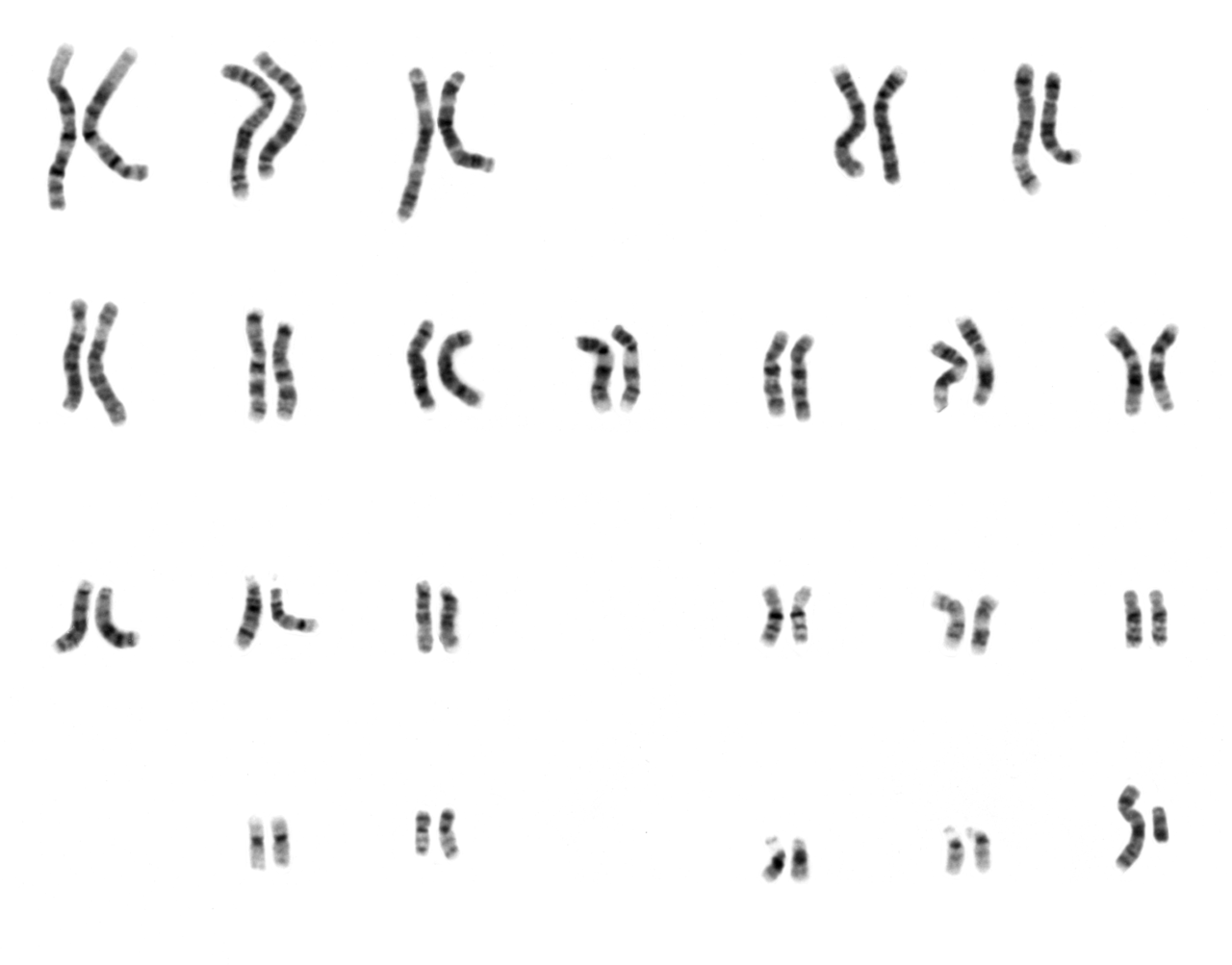
The basic repeating unit of chromatin is the nucleosome: a segment of DNA wrapped around an octamer of core histone proteins. In addition to the core histone proteins, linker histones and a variety of non‑histone factors contribute to higher‑order folding. Repetitive sequences such as satellite DNA and other tandem repeats are often packaged into distinct chromatin domains.
Major chromatin states
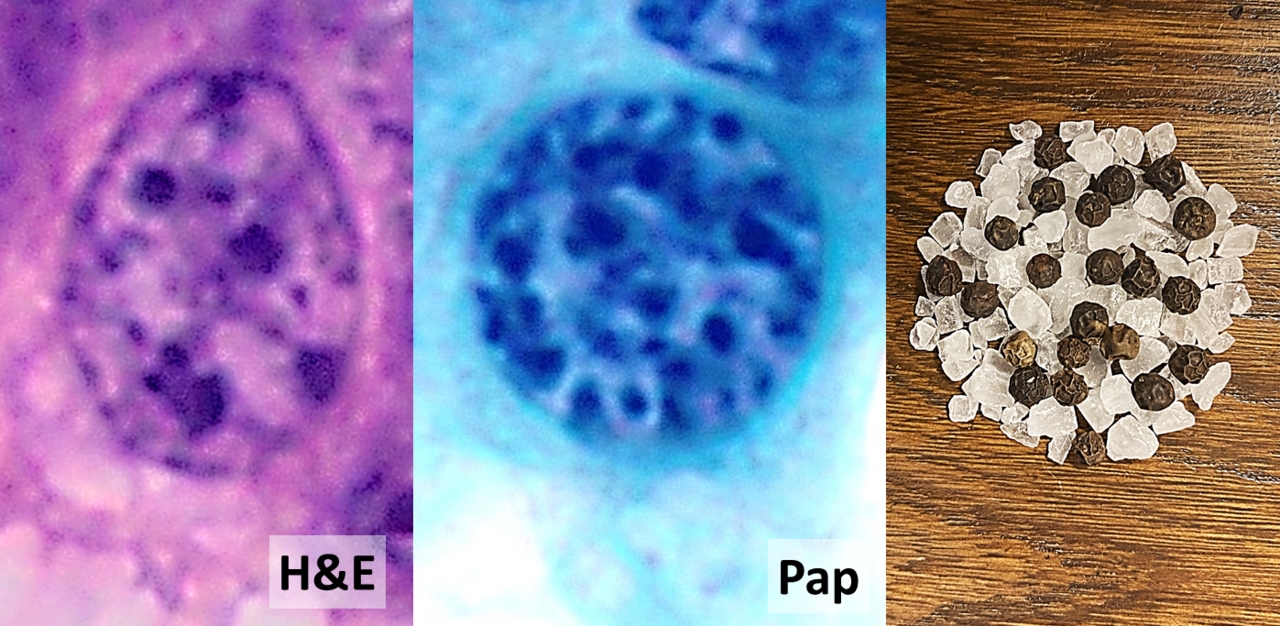
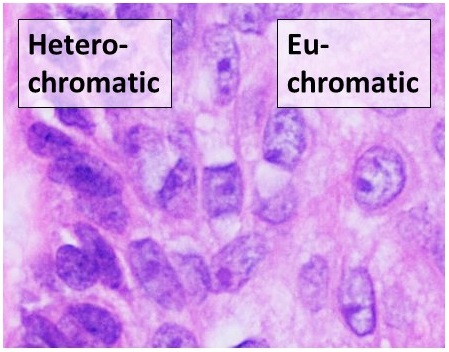
Chromatin is commonly described in two broad biochemical and morphological states. Heterochromatin is relatively compacted and is associated with transcriptional silence and structural regions such as centromeres and telomeres. Euchromatin is less condensed, more accessible to factors that transcribe genes, and correlates with active gene expression. These states are continuous and can change in response to cellular signals.
Functions and dynamics
- Packaging: chromatin compacts long DNA molecules so they fit in the nucleus while allowing regulated access.
- Regulation: post‑translational modifications of histones and DNA chemical marks influence transcriptional activity (epigenetic regulation).
- Genome maintenance: chromatin structure coordinates DNA replication, recombination and repair by controlling protein access.
- Chromosome segregation: condensed chromatin ensures accurate distribution of genetic material during cell division.
Development, study and medical relevance
Interest in chromatin grew from early microscopic observations of stainable nuclear material in the 19th century to molecular descriptions in the 20th century. Modern techniques such as chromatin immunoprecipitation, accessibility assays and genome‑wide sequencing reveal how chromatin patterns change during development, differentiation and disease. Alterations in chromatin regulators underlie many developmental disorders and play a significant role in cancer and other conditions where gene expression or genome stability is disrupted.
Notable points
Chromatin is both a structural solution for packaging DNA and an information layer that helps determine cellular identity. Its study links biochemistry, genetics and cell biology and continues to inform fields from developmental biology to medicine.
Related articles
Author
AlegsaOnline.com Chromatin: structure, states and role in the cell nucleus Leandro Alegsa
URL: https://en.alegsaonline.com/art/20199
Sources
- ncbi.nlm.nih.gov : Chromosomes and Chromatin
- chromatin.net : "Chromatin Network Home Page"
- doi.org : 10.1111/j.1365-2958.2005.04598.x
- pubmed.ncbi.nlm.nih.gov : 15853876