
Chytridiomycota: the chytrid fungi — features, ecology, and significance
Chytridiomycota (chytrids) are an early-diverging phylum of fungi with flagellated spores, mainly aquatic saprotrophs and parasites; some species have caused global amphibian declines.
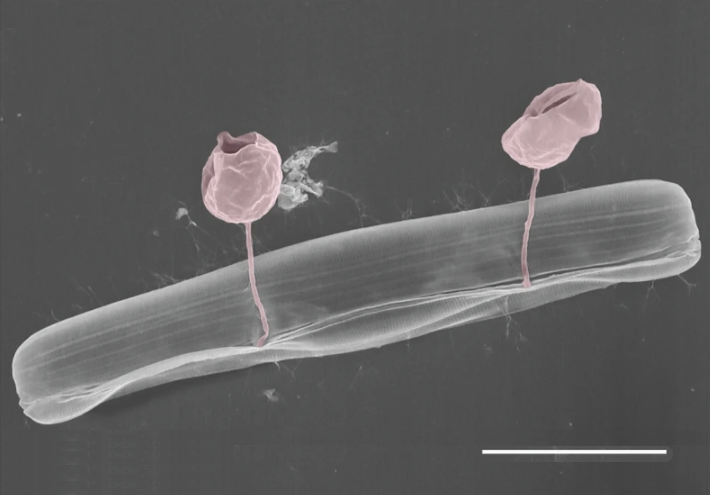
Chytridiomycota, commonly called chytrids, are a distinct phylum within the Fungi kingdom. The name derives from the Greek chytridion ("little pot"), referring to the small sporangia or receptacles that hold unreleased spores; these structures are often called chytridia in older descriptions. Modern mycology treats chytrids as an early-diverging lineage that preserves traits important for understanding fungal evolution.
Image gallery
10 Images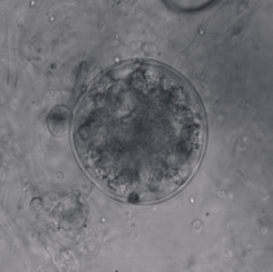



Characteristics and morphology
Chytrids are notable for producing motile reproductive cells. Their asexual zoospores and, in many species, sexual gametes are equipped with a single posterior whiplash flagellum, which makes them unique among fungi. Zoospores enable dispersal in water or thin films of moisture. Thalli (the vegetative bodies) range from single, rounded cells to networked, rhizoidal systems that penetrate substrates. Many chytrids deposit chitin in their cell walls, although detailed composition can vary between groups.
- Motile cells: flagellated zoospores and gametes (zoospores, gametes) that swim in aquatic environments.
- Growth forms: monocentric thalli, polycentric rhizomycelia, and branching rhizoids.
- Reproduction: primarily asexual via zoospores; sexual cycles occur in several lineages and show diverse mechanisms.
- Cell structures: small sporangia, rhizoids, and cell walls that often contain chitin.
Distribution, nutrition, and habitats
Many chytrids are aquatic or prefer very moist habitats and are commonly found in freshwater, wet soil, and decaying plant material. They are largely saprotrophic, obtaining energy and nutrients by breaking down non-living organic matter such as pollen, cellulose, and chitin. Other chytrids are parasitic on algae, plants, invertebrates, or even other fungi. Because of their ability to decompose resilient materials, they play a role in nutrient cycling in aquatic and terrestrial ecosystems.
Described diversity of chytrids is modest compared with many fungal groups—roughly a thousand named species placed in numerous genera and orders—but molecular surveys suggest additional, undescribed diversity, especially in poorly sampled habitats.
Ecological importance and conservation concerns
While most chytrids act as decomposers or benign parasites, a few species have major ecological impact. The pathogen Batrachochytrium dendrobatidis and related species cause chytridiomycosis, a disease implicated in severe declines of amphibian populations worldwide; this phenomenon is widely reported as a major conservation concern and has drawn attention to chytrids' potential to alter ecosystem composition (amphibian declines).
Chytrids also serve as model organisms for studying early fungal traits such as flagellated cells, the origin of fungal multicellularity, and transitions between aquatic and terrestrial lifestyles. Their relative simplicity and distinctive life cycle stages make them useful in laboratory studies of cell motility, spore development, and host–parasite interactions.
History and scientific study
Historically, chytrids were sometimes classified with protists because of their flagellated stages and simple morphology, but molecular phylogenetics has shown they are true fungi and occupy a basal position in the fungal tree. Contemporary research combines field surveys, microscopy, culture work, and genomic approaches to clarify chytrid diversity, ecology, and evolutionary relationships. For introductory overviews and taxonomic treatments see resources on the phylum, fungal diversity, and general kingdom summaries, or consult specialist literature linked in major mycological databases (etymology, morphology, habitat records, nutrition studies, decomposition research, zoospore biology, reproductive diversity, conservation reports).
Because chytrids bridge aquatic and fungal biology, they remain an active subject for ecological monitoring, evolutionary biology, and conservation science. Continued sampling and genomic work are expanding our understanding of their roles in ecosystems and their relationships to other fungal groups.
Questions and answers
Q: What is Chytridiomycota?
A: Chytridiomycota is a phylum of the Fungi kingdom.
Q: What does the name Chytridiomycota come from?
A: The name Chytridiomycota comes from chytridium (from the Greek chytridion, meaning "little pot"): the structure containing unreleased spores.
Q: Where are many chytrids found?
A: Many chytrids are found in fresh water.
Q: How many chytrid species are there and how are they distributed among orders?
A: There are approximately 1,000 chytrid species, in 127 genera, distributed among 5 orders.
Q: What do chytrids get their energy from?
A: Chytrids get their energy mostly from non-living organic matter.
Q: How are both zoospores and gametes of the chytrids mobile?
A: Both zoospores and gametes of the chytrids are mobile by their flagella, one whiplash per individual.
Q: What are some of the negative impacts of chytrids?
A: Some chytrid species are known to kill amphibians in large numbers, although the actual process is unknown.
Related articles
Author
AlegsaOnline.com Chytridiomycota: the chytrid fungi — features, ecology, and significance Leandro Alegsa
URL: https://en.alegsaonline.com/art/20344
Sources
- doi.org : 10.1016/j.mycres.2007.03.004