
Choix des plus belles fleurs (Pierre-Joseph Redouté)
Overview of Pierre-Joseph Redouté’s Choix des plus belles fleurs (1827–1833): its content, production, publication history, artistic techniques, and place in botanical art and collecting.
Overview
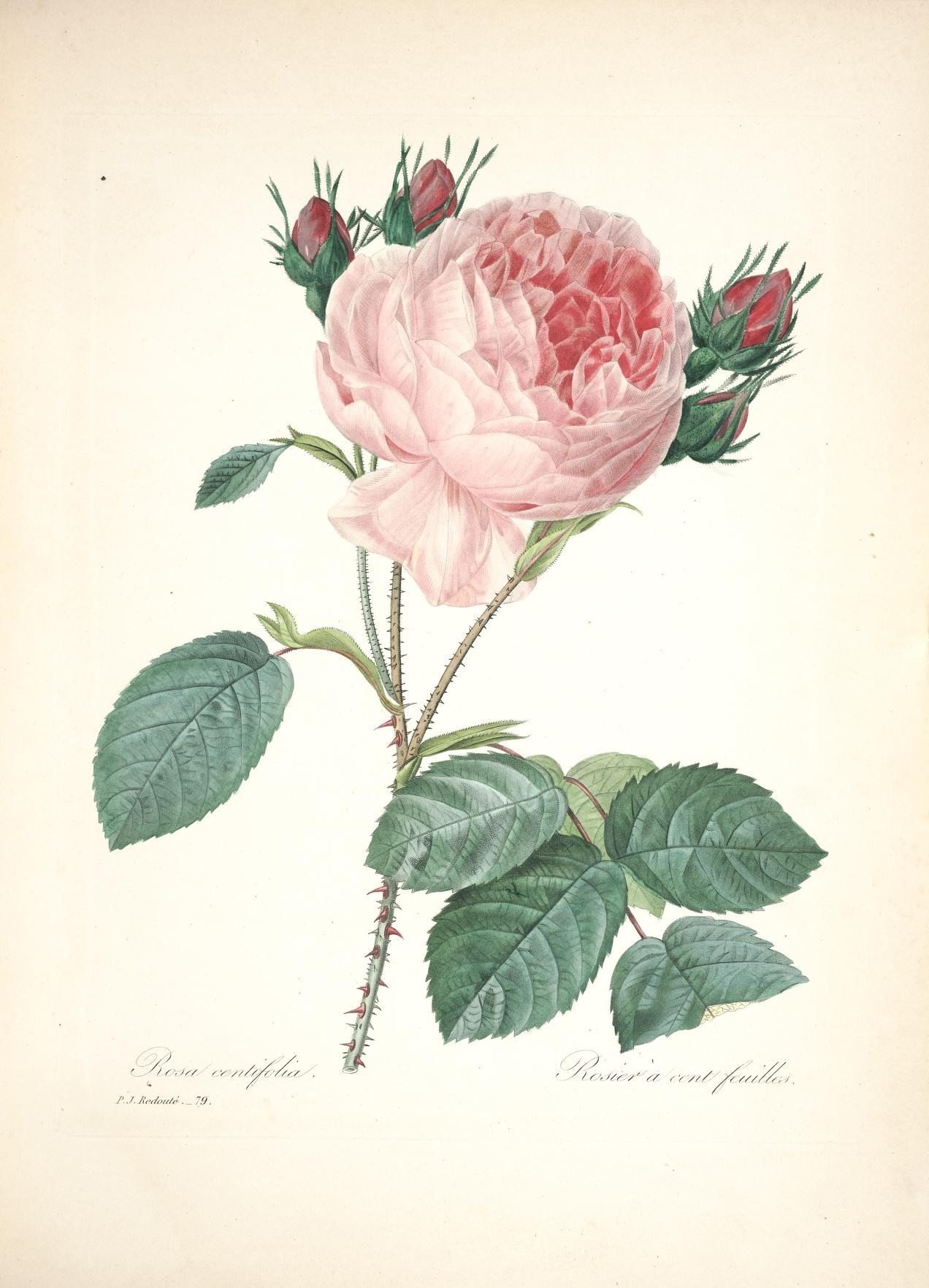
Choix des plus belles fleurs (full French title: Choix des plus belles fleurs et de quelques branches des plus beaux fruits. Dédié à LL. AA. RR. les princesses Louise et Marie d'Orléans) is a folio portfolio of botanical plates by the French artist Pierre-Joseph Redouté (1759–1840). Published in Paris beginning in 1827, the work assembles finely observed watercolour studies reproduced for collectors and for the study of ornamental plants and fruits. The English rendering of the title is "Selection of the most beautiful flowers and some branches of the finest fruits." The plates blend aesthetic arrangement with attention to morphological detail and the visual clarity prized in florilegia of the period.
Image gallery
10 Images


Content and structure
The publication was issued in parts (livraisons): from May 1827 to June 1833 a total of 144 engraved plates were printed and distributed in 36 parts, each usually containing four plates depicting flowers, flowering branches or fruiting stems. Subjects range from single blossoms shown at large scale to grouped sprays and small compositions that illustrate colour, form and texture. Many plates present subjects against a plain background to emphasise botanical features and compositional elegance.
Production and techniques
As with other high-quality florilegia of the era, the original images began as watercolours by the artist and were then reproduced by printmaking and colouring processes available at the time. Plates were engraved for printing and finished to retain delicate tonal values; subsequent hand-colouring or careful colour printing was used to reproduce the subtle hues of the originals. The folio format accommodated full-scale botanical forms and allowed collectors to assemble the series into bound volumes or portfolios.
Artist and historical context
Pierre-Joseph Redouté is one of the best-known botanical painters of the late 18th and early 19th centuries. He produced several major florilegia and enjoyed patronage that linked botanical publishing with cultivated taste among collectors and court circles. His work is valued for its combination of scientific observation and refined draughtsmanship, which helped set standards for botanical illustration in his lifetime and beyond.
Publication history and editions
The first folio edition with hand-coloured plates was printed in Paris in 1827; the parts continued to be issued through 1833. The subscription model, common at the time, allowed publishers to distribute cost and to reach an audience of subscribers who assembled parts into complete sets. Surviving copies may vary in colouring and later bindings, and bibliographic studies note such differences when establishing provenance and edition status.
Significance and reception
Choix des plus belles fleurs is recognised as part of Redouté's contribution to the genre of the florilegium, works that sit between botanical science and artistic display. Collectors and institutions have long preserved original issues, and modern facsimiles and digital reproductions have broadened access to the plates for both scholars and decorative arts enthusiasts. The series is often studied alongside Redouté's better-known works such as Les Liliacées and Les Roses.
Collections, study and conservation
Original parts and bound copies appear in national libraries, botanical gardens and specialist collections; condition, hand-colouring and binding history are central to conservation and collecting practice. Researchers consult institutional catalogues, auction records and specialist bibliographies to verify provenance and to study techniques of engraving and colouring in early 19th-century botanical publishing.
Related works and further reading
- Choix des plus belles fleurs — catalogue entry or digitised copy
- Biography and overview of Pierre-Joseph Redouté
- Studies comparing Redouté's major florilegia
- Publication history and bibliographic notes
- Repositories and collections holding original issues
- Technical articles on engraving and hand-colouring in botanical illustration
For practical study, high-resolution reproductions or visits to institutional collections are recommended: they reveal the brushwork, compositional decisions and colouring practices that characterise Redouté's plates. When consulting copies, note that variants in colouring and later conservation treatments affect appearance and value. Scholars interested in the intersection of art and botany examine this work for its role in circulating plant imagery among gardeners, naturalists and patrons in the early 19th century.
Questions and answers
Q: Who is the author of Choix des plus belles fleurs?
A: The author of Choix des plus belles fleurs is Pierre-Joseph Redouté.
Q: What is Choix des plus belles fleurs?
A: Choix des plus belles fleurs is a book of watercolour paintings of flowers, flowering trees, and fruit.
Q: When was Choix des plus belles fleurs printed?
A: Choix des plus belles fleurs was printed in Paris in 1827.
Q: What is the full title of Choix des plus belles fleurs?
A: The full title of Choix des plus belles fleurs is Choix des plus belles fleurs et de quelques branches des plus beaux fruits. Dédié à LL. AA. RR. les princesses Louise et Marie d'Orléans.
Q: How many special pages with pictures were printed for Choix des plus belles fleurs from May 1827 to June 1833?
A: From May 1827 to June 1833, 144 special pages with pictures were printed for Choix des plus belles fleurs.
Q: How many parts was Choix des plus belles fleurs divided into?
A: Choix des plus belles fleurs was divided into 36 parts, each with four pictures of flowers, flowering trees, or fruit.
Q: What is the English translation of the title of Choix des plus belles fleurs?
A: The English translation of the title of Choix des plus belles fleurs is "Selection of the most beautiful flowers and some branches of the finest fruits".
Related articles
Author
AlegsaOnline.com Choix des plus belles fleurs (Pierre-Joseph Redouté) Leandro Alegsa
URL: https://en.alegsaonline.com/art/19942