
Printmaking: Techniques, History, and Principles
Overview of printmaking—methods, history, how prints are made and authenticated, common techniques (relief, intaglio, lithography, screenprint, digital), and conservation considerations.
Printmaking is the process of producing artworks by transferring ink from a prepared surface to another material, most commonly paper. Unlike mechanical reproductions, traditional prints are considered original works because each impression is produced from the same matrix — a carved block, engraved plate, stone, stencil or screen. Printmaking embraces a wide range of processes and aesthetic possibilities, and has been used for art, illustration, communication and bookmaking.
Image gallery
10 Images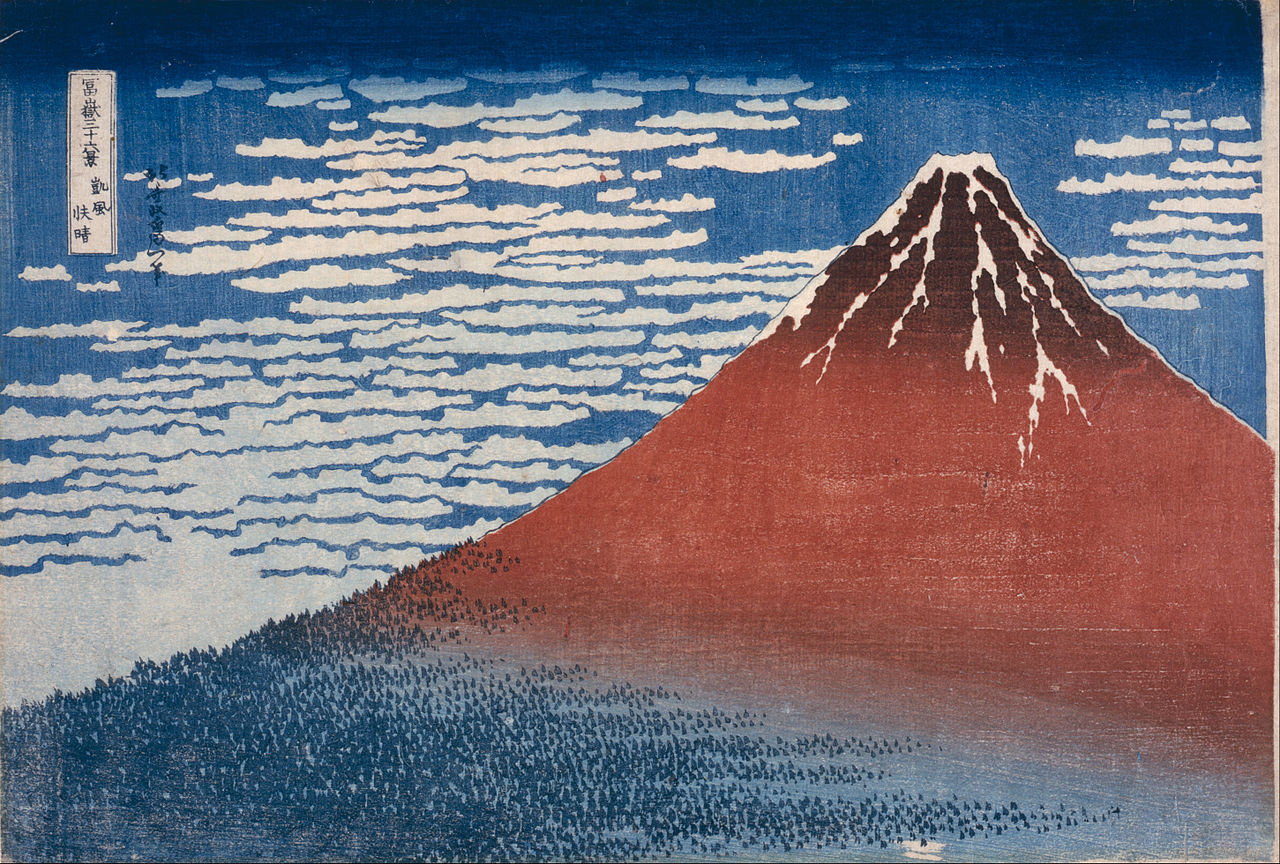




Characteristics and terminology
Key terms help describe printmaking practice: the matrix (the prepared surface that carries the image), the impression (a single print pulled from that matrix), the edition (a numbered series of impressions), and the plate mark or registration (evidence of the printing process). Editions may be limited and signed by the artist to indicate authenticity. Prints may vary slightly from one impression to another because of hand inking, pressure, or deliberate changes called "states."
Major techniques
- Relief printing: the image is cut away so the remaining raised surface receives ink (woodcut, linocut).
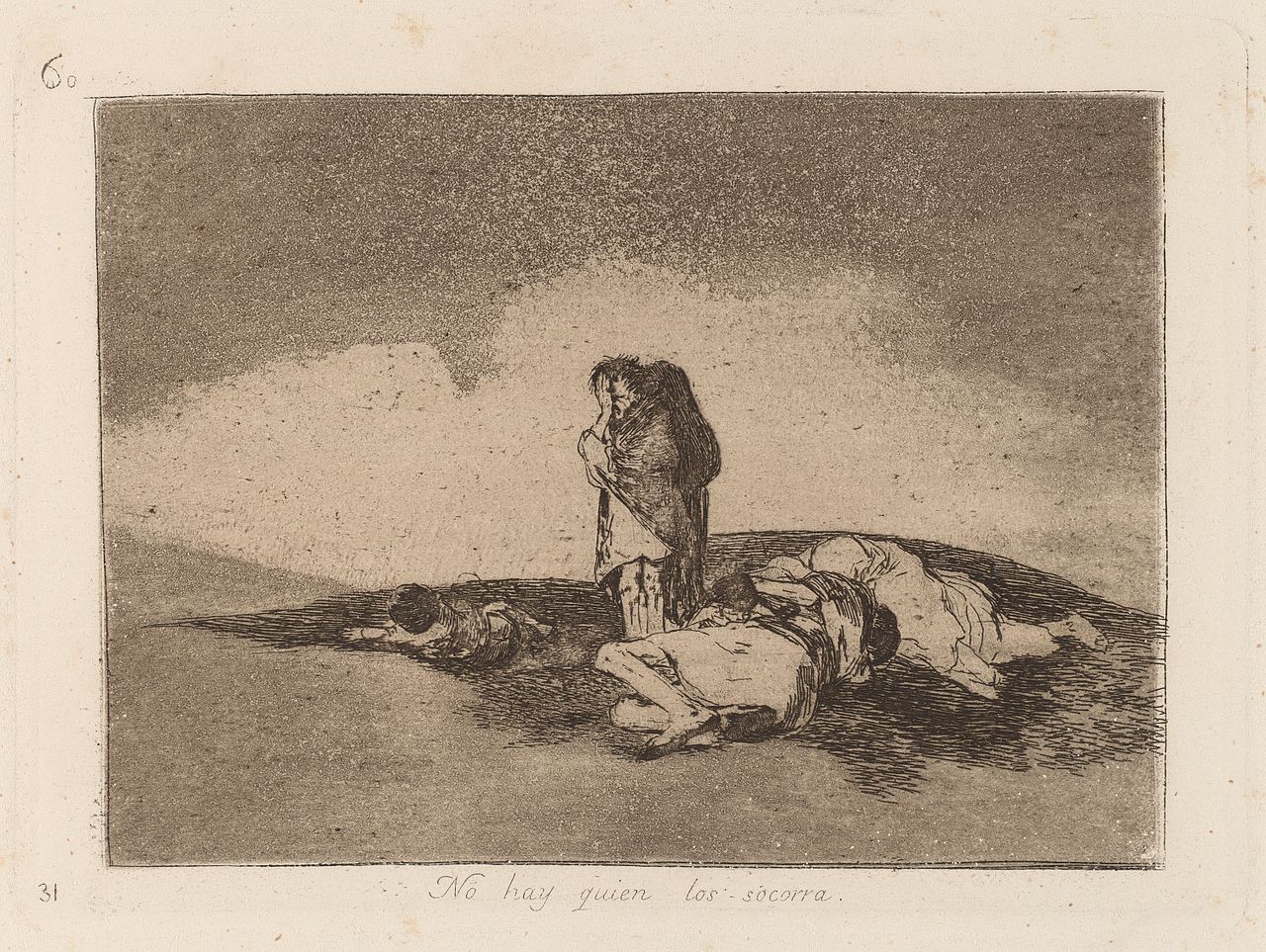
- Intaglio: incised lines or textures hold ink below the surface; excess is wiped from the plate before printing (engraving, etching, aquatint).
- Lithography: based on the repulsion of oil and water; the image is drawn on a flat stone or metal plate and chemically processed so only the drawn areas accept ink.
- Screenprinting (serigraphy): ink is pushed through a stretched mesh where a stencil blocks non-image areas; widely used for bold color layers.
- Digital and hybrid methods: contemporary artists combine inkjet, photo-polymer plates, or digital stencils with traditional techniques.
History and development
Printmaking developed in various regions and periods as artisans and artists sought ways to reproduce images and texts. Early woodblock prints and relief techniques were important for book illustration and mass communication. Advances such as copperplate etching and stone lithography expanded tonal range and expressive control. In the modern era, print workshops and collaborative studios helped revive and innovate techniques, making printmaking a major arena for experimentation in twentieth- and twenty-first-century art.
Production, editions and authentication
Making a print involves preparing the matrix, inking, careful registration for multi-color work, and passing the materials through a press or manual transfer. Editions are often numbered (for example "12/50") and may be signed. Conservators and scholars look at paper type, watermark, plate marks, ink, and documented provenance when assessing authenticity. For more technical methods and studio guidelines see printmaking processes and professional resources at technical conservation.
Uses, care and notable distinctions
Prints serve artistic, commercial and educational roles: fine art editions, posters, illustrated books and graphic design. Because ink and paper are sensitive to light, humidity and pollutants, conservation best practices stress controlled light exposure, acid-free storage, and professional framing. Distinctions between techniques influence appearance — relief prints tend to have bold flat areas, intaglio yields fine lines and rich tonal range, lithography can approximate drawing, and screenprinting excels at flat, vivid color. For comparative studies and contemporary examples consult collections or specialist literature via museum and library guides and workshop directories at studio networks.
Related articles
Author
AlegsaOnline.com Printmaking: Techniques, History, and Principles Leandro Alegsa
URL: https://en.alegsaonline.com/art/79246