
Folio (book format and manuscript leaf)
Folio: a bibliographic term for a sheet or book format, its recto/verso sides, and the large-format books produced by folding sheets once; used in manuscripts and early printing.
Overview
The term "folio" has two related meanings in the world of books and manuscripts. It can mean a single sheet of writing material used on both sides, and it also denotes a book format produced by folding a full sheet of paper once. In manuscript catalogs and bibliographies the word often refers to a leaf or to a numbering system in which each leaf has a recto (front) and verso (back) side.
Image gallery
4 Images
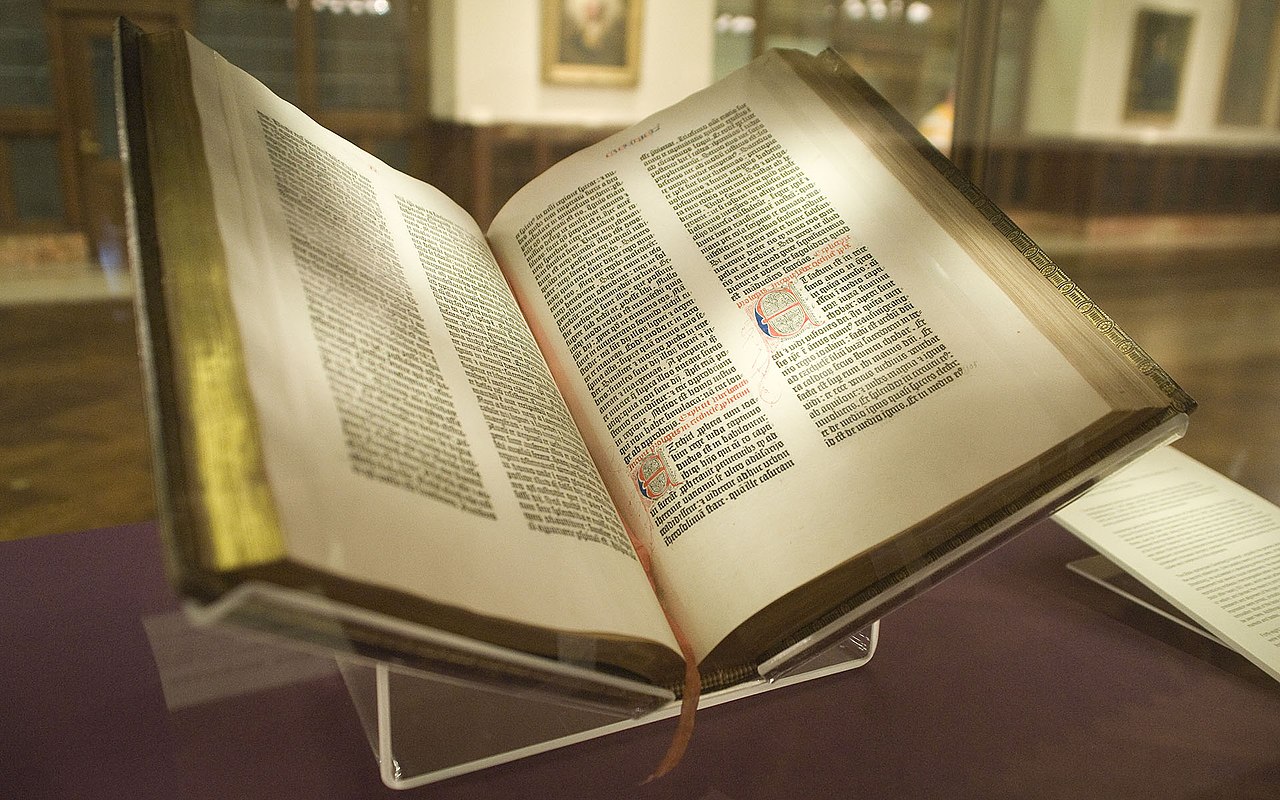
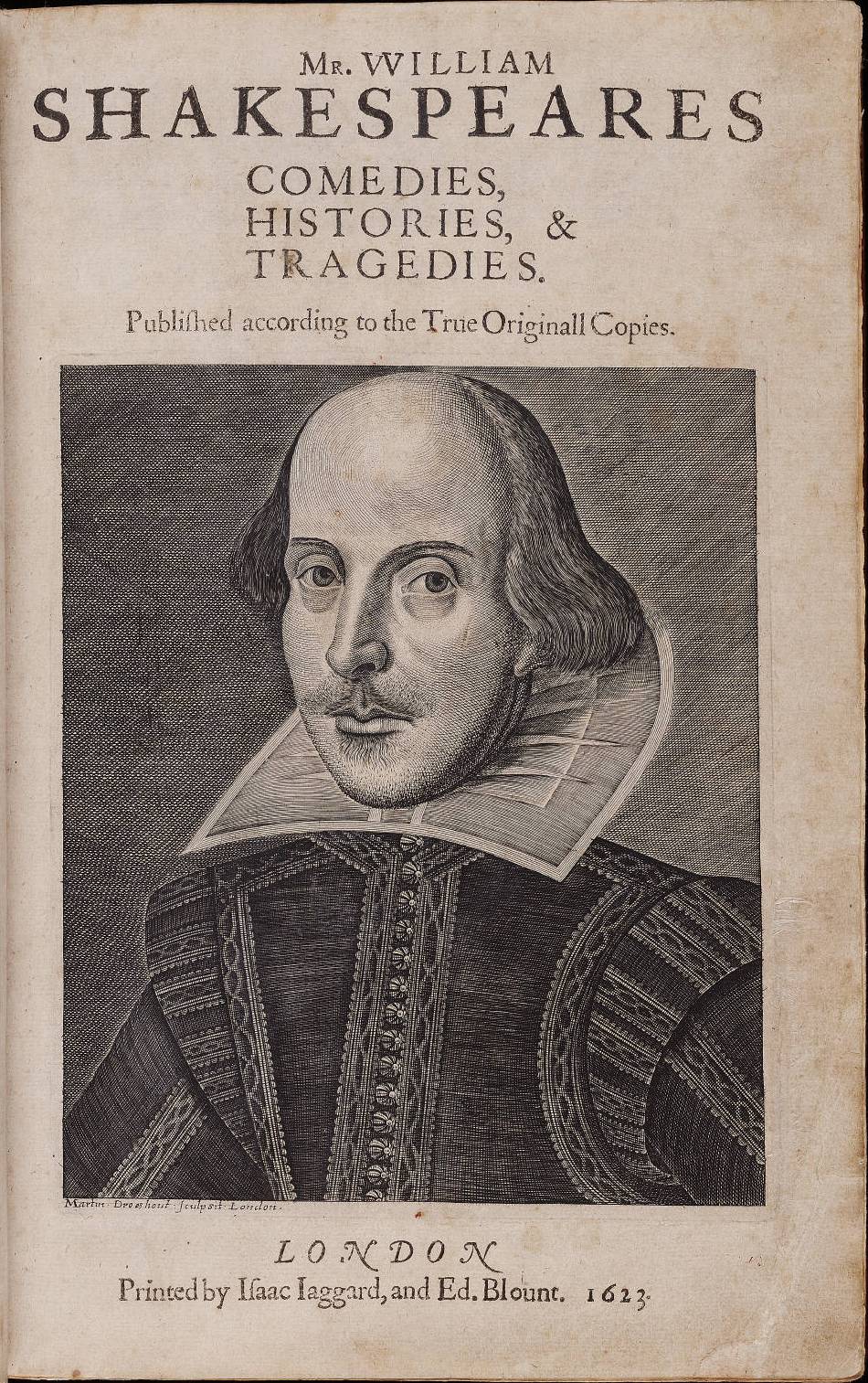
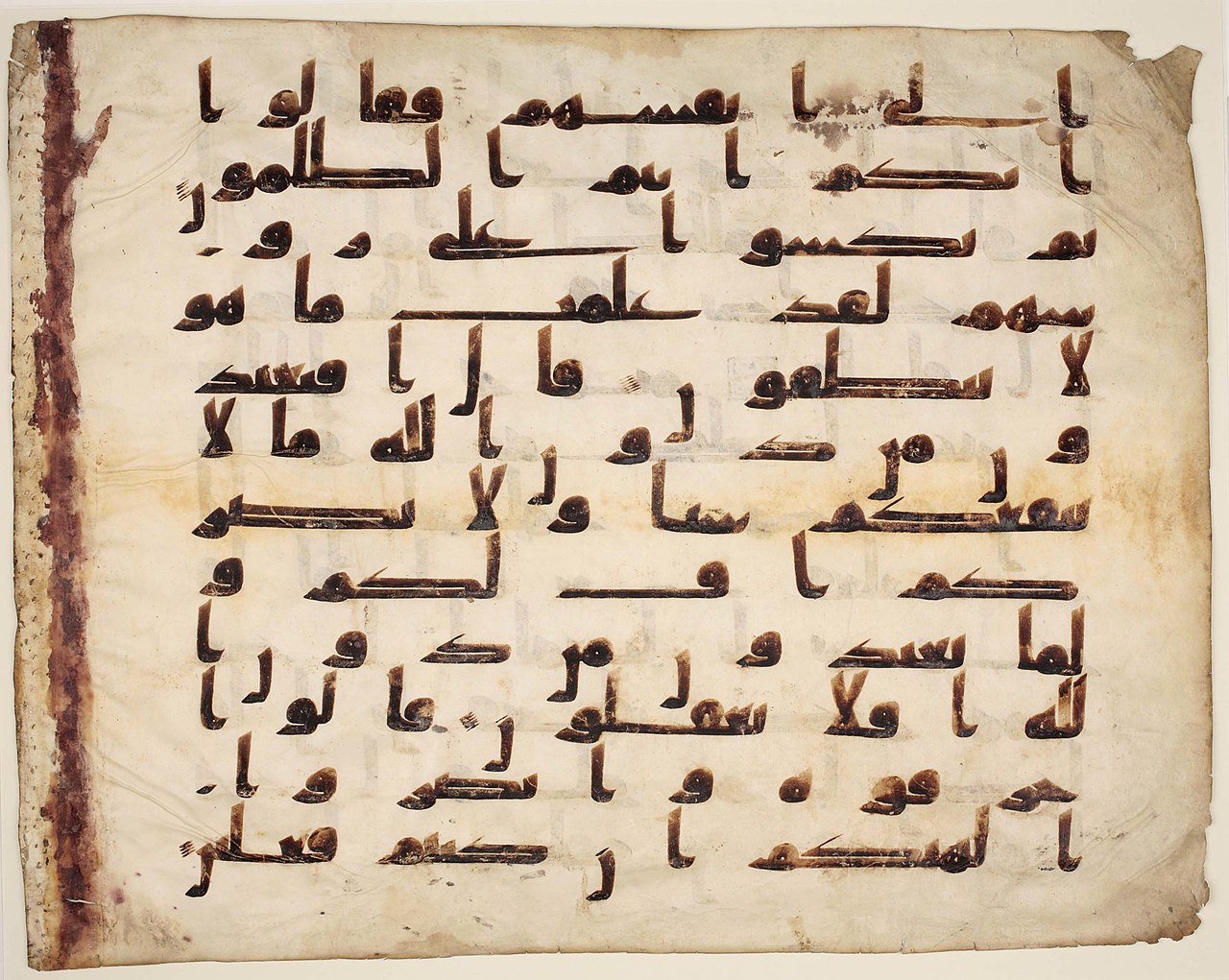
Characteristics and terminology
A folio leaf carries two pages: the "recto" is the side that faces right in an open book and the "verso" is the left-facing back. Bibliographers commonly mark leaves as "f. 12r" (folio twelve recto) or "f. 12v" (verso). When sheets are folded to make gatherings, the number of folds determines the format: folio (folded once), quarto (folded twice), octavo (folded three times), and so on — though final trimming and binding affect the exact size.
History and uses
Folio size became a standard in early printing and in medieval manuscript production because large sheets were practical for important or reference volumes such as legal codes, atlases, and collected works. Many notable early printed editions, including celebrated theatrical and collected volumes, appear in folio format. The folio format emphasizes readability and prestige: larger pages allow for wide margins, generous typography, and room for illustrations or annotations.
Practical distinctions
- As a descriptive unit, "folio" can mean a leaf rather than a single page.
- As a format, it indicates a large book made by folding a sheet once; this produces two leaves (four pages) per sheet before trimming and binding.
- Folio volumes are often contrasted with quarto and octavo editions in bibliographic descriptions and collecting.
For examples and technical descriptions of manuscript folios see catalogues of medieval manuscripts and printing manuals. Readers seeking the technical use of recto/verso in manuscript description can consult resources on manuscript terminology and on the physical structure of a writing sheet.
Author
AlegsaOnline.com Folio (book format and manuscript leaf) Leandro Alegsa
URL: https://en.alegsaonline.com/art/35368