
Chinghiz Aitmatov: Kyrgyz-Soviet Novelist, Storyteller and Diplomat
Biography and overview of Chinghiz Aitmatov, the Kyrgyz-Soviet writer who wrote in Kyrgyz and Russian, his major works, themes, diplomatic career, awards and cultural legacy.
Overview
Chinghiz Aitmatov (sometimes rendered Chyngyz Aitmatov) was a prominent writer from the Kyrgyz Soviet Republic whose novels and stories reached readers across the Soviet Union and the wider world. Born in 1928, he wrote in both Russian and Kyrgyz, blending local folklore, moral questions and modern social concerns. His work introduced international audiences to the landscapes, traditions and dilemmas of Central Asia while engaging universal themes such as identity, community, and the clash between old ways and modern life.
Image gallery
4 Images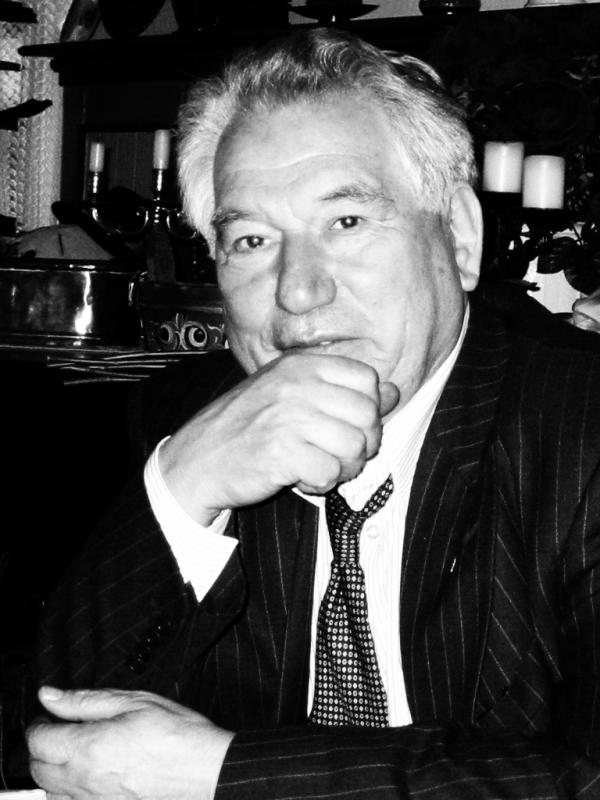
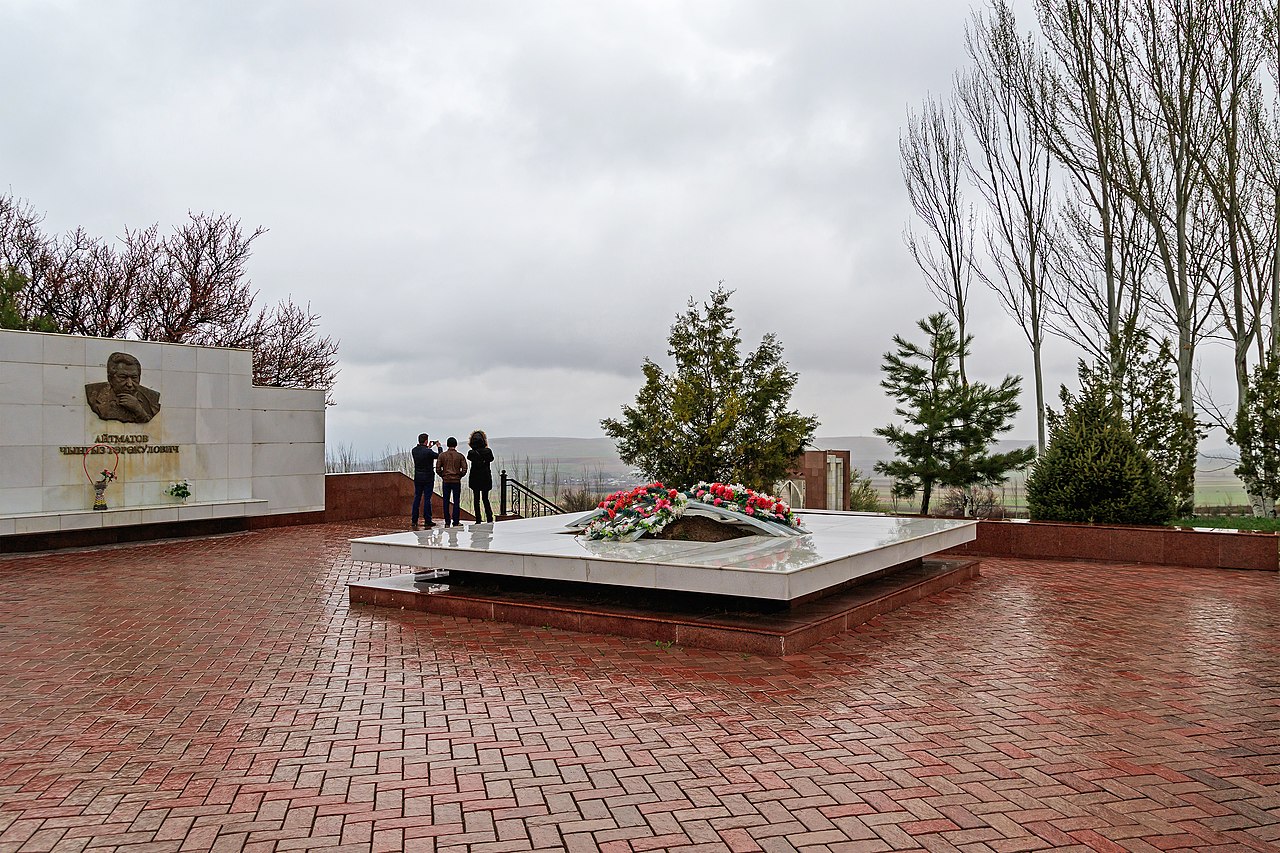
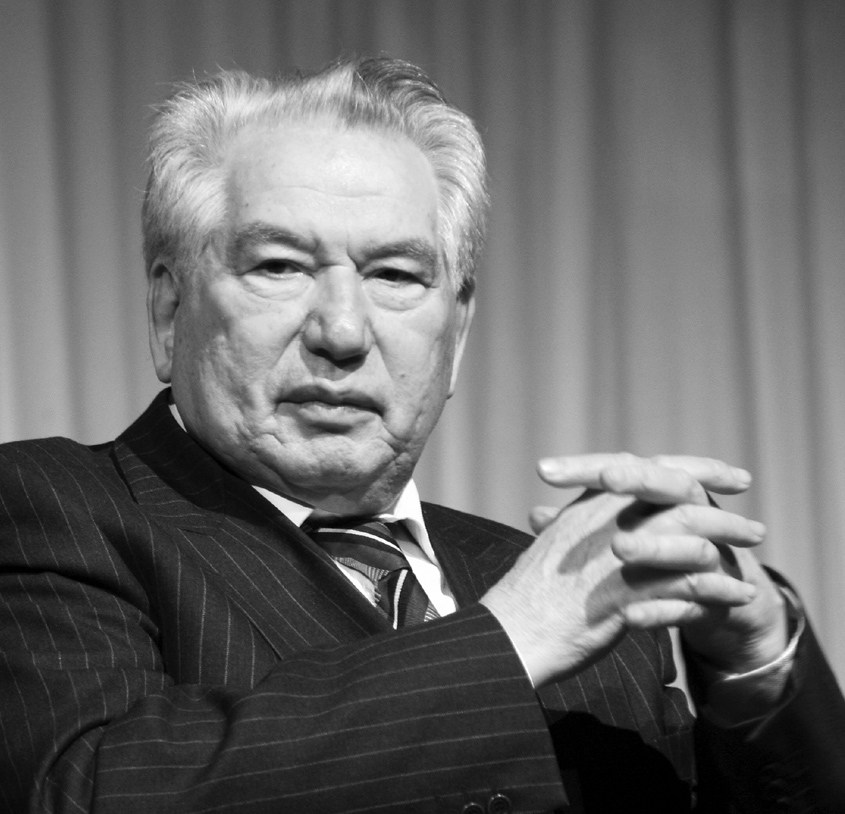

Life and career
Aitmatov was born in the countryside of the Kirghiz ASSR in December 1928 and rose to national and international prominence in the mid-20th century. His early training and professional life included journalism and literary work; he became a leading figure in Kyrgyz letters and a recognized author in the broader Soviet literary world. Readers and critics often note his ability to write both intimate, lyrical short fiction and ambitious novels that incorporate historical and philosophical dimensions.
Major works and literary themes
Several of Aitmatov's works received wide attention and translation. Among his best-known titles are:
- The Day Lasts More Than a Hundred Years — a novel that fuses folklore, social critique and elements of speculative thought; it introduced many Western readers to Aitmatov's scope and imagination (readings and summaries).
- Jamila — a lyrical novella celebrated for its portrayal of love, rural life and emotional honesty.
- The White Ship and Farewell, Gulsary! — stories that explore generational change, the tension between pastoral traditions and industrialization, and the moral choices facing individuals.
Common themes in his fiction include the interplay of myth and reality, the ethical responsibilities of individuals toward their communities, and reflections on modernization. His narrative style can be both poetic and direct, often using local myths to address wider human concerns.
Diplomatic work and public roles
Beyond literature, Aitmatov had an active public career. He served as a cultural figure and diplomat, representing his country in international organizations. Over time he acted as an envoy and ambassador to institutions such as the European Union and NATO, and participated in UNESCO-related activities (UNESCO links). He was also connected with the Benelux countries in a diplomatic capacity (Benelux relations), and his later years included roles that bridged cultural diplomacy and national representation after Kyrgyzstan's independence. For more on his public service see biographical summaries (biographical sources).
Awards, death and legacy
Aitmatov was one of the most decorated writers of his generation; in 1963 he received major Soviet literary recognition such as the Lenin Prize. His books have been translated into many languages and continue to be studied for their ethnographic detail and moral complexity. He died in June 2008 in Nuremberg; reports cited serious illness including kidney failure and pneumonia (medical reports, press notices). Details of his death and memorials were carried in contemporary news coverage (news item, international reports).
Why his work matters
Aitmatov's writing remains significant for several reasons. It preserves and adapts Central Asian oral traditions for modern readers, offers a human-centered critique of social change, and builds bridges between local and global literary conversations. His combination of lyricism, moral engagement and narrative scope ensures that his books are taught, translated and reprinted, and that new readers continue to discover his portrayals of the people and landscapes of Kyrgyzstan.
Further reading can be found in literary overviews, translations and critical studies that situate his oeuvre within 20th-century world literature and the histories of the Soviet Union and post-Soviet Central Asia (language contexts, major works, cultural heritage).
Related articles
Author
AlegsaOnline.com Chinghiz Aitmatov: Kyrgyz-Soviet Novelist, Storyteller and Diplomat Leandro Alegsa
URL: https://en.alegsaonline.com/art/19787
Sources
- uk.reuters.com : Kyrgyz writer, perestroika ally Aitmatov dies