
Chinua Achebe — Nigerian novelist, critic and key figure in African literature
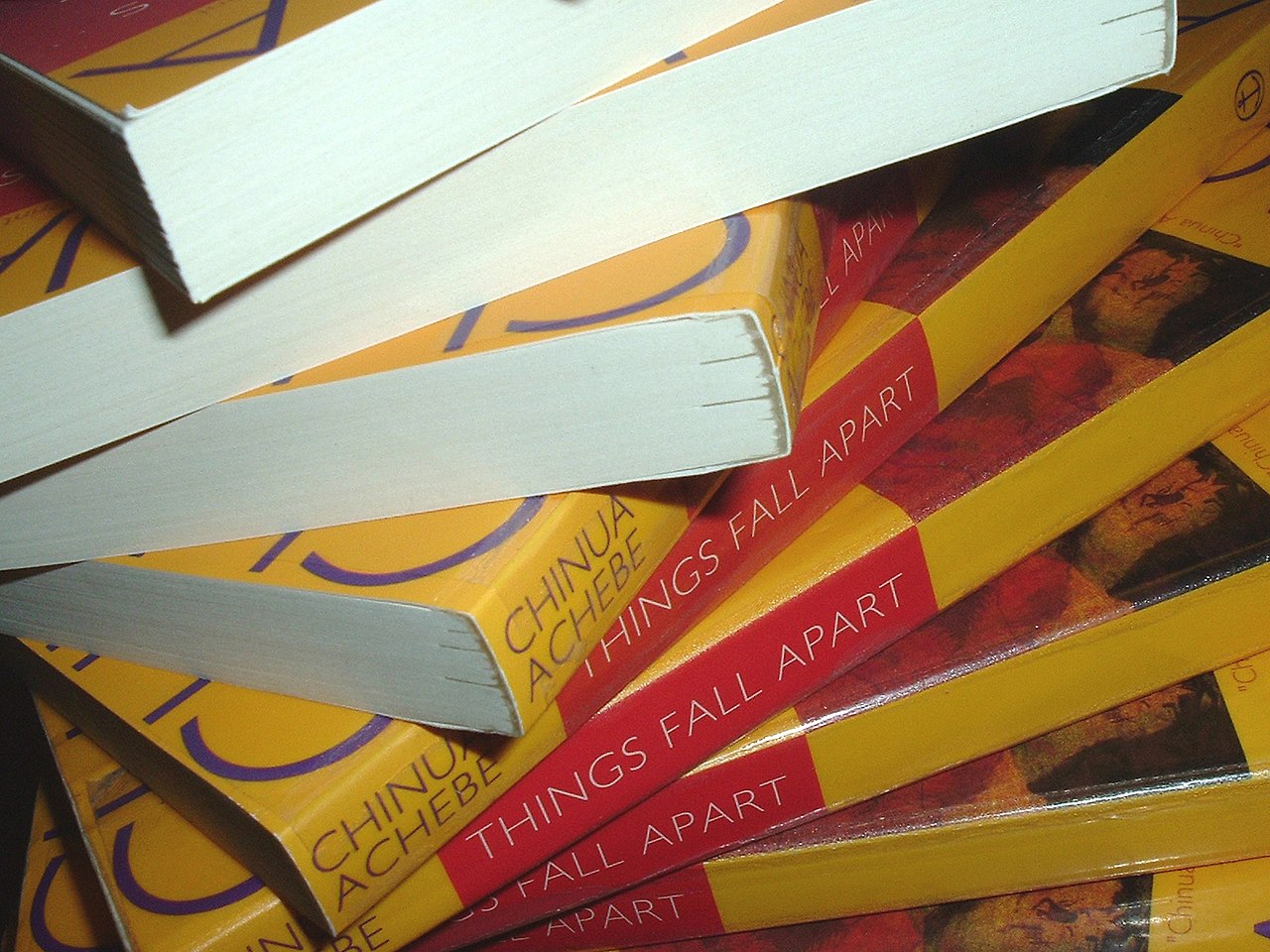
Chinua Achebe (1930–2013) was a Nigerian novelist, poet, professor and critic best known for Things Fall Apart (1958). He shaped postcolonial writing by portraying African societies in their own voices.
Chinua Achebe (born Albert Chinụalụmọgụ Achebe, 16 November 1930 – 22 March 2013) was a Nigerian writer whose work helped define modern African literature. He gained international recognition for his first novel, Things Fall Apart (1958), and for insisting that African stories be told from African perspectives. Achebe's career combined fiction, essays and teaching; he is widely described as a novelist, a poet, a professor and a critic.
Image gallery
10 Images






Overview and themes
Achebe's fiction often examines the encounter between traditional African cultures and European colonialism, exploring how institutions, belief systems and individuals respond to change and rupture. His narratives favor plain, clear prose and draw on oral storytelling techniques, proverbs and local cosmologies to depict characters with moral complexity. Beyond novels, his essays addressed representation, language, and the responsibilities of writers in postcolonial societies.
Major works and style
- Things Fall Apart (1958) — a tragic portrait of an Igbo community facing colonial pressures.
- No Longer at Ease (1960) — examines postcolonial bureaucracy and moral conflict.
- Arrow of God (1964), A Man of the People (1966), Anthills of the Savannah (1987) — further novels that explore leadership, corruption and cultural tension.
Achebe preferred English as a vehicle to reach both African and global readers while adapting the language to African rhythms and concerns.
Life, education and influence
Born and raised in what is now southeastern Nigeria, Achebe attended University College (Ibadan), where he began publishing short fiction. Over his lifetime he taught and lectured at institutions around the world and influenced generations of writers and scholars. His essay "An Image of Africa" challenged prevailing Western portrayals of the continent and remains central to postcolonial criticism.
Legacy and recognition
Achebe's work transformed how African history and society are represented in world literature, encouraging a wave of writers who foreground local perspectives. He received international honours and widespread academic attention; his novels are staples in curricula on African and postcolonial studies. Achebe's death in 2013 prompted renewed appreciation of his role in shaping twentieth-century letters.
For further reading and resources about his life and writings, see general literary overviews and curated collections of essays and criticism — or follow introductory guides and bibliographies available through academic and cultural institutions. More on his novels, poetry and short fiction, and critical reception can be found in specialized studies and archives. Academic profiles, critical essays, and digital collections offer accessible entry points for new readers and researchers. Primary texts remain widely available in translation and annotated editions.
Related articles
Author
AlegsaOnline.com Chinua Achebe — Nigerian novelist, critic and key figure in African literature Leandro Alegsa
URL: https://en.alegsaonline.com/art/19802
Sources
- commons.wikimedia.org : Chinua Achebe
- nytimes.com : "Chinua Achebe, African Literary Titan, Dies at 82" · webcitation.org
- newyorker.com : "After Empire: Chinua Achebe and the Great African Novel"
- wikidata.org : wikidata.org/wiki/Q155845
- authority.bibsys.no : 90082405
- catalogo.bne.es : XX934147
- catalogue.bnf.fr : cb11888047x
- data.bnf.fr : (data)
- ci.nii.ac.jp : DA04346550
- d-nb.info : 118646680
- isni.org : 0000 0001 2277 4961
- id.loc.gov : n79064863
- kopkatalogs.lv : 000116329
- id.ndl.go.jp : 00430927