
Chiune Sugihara — Japanese diplomat who aided Jewish refugees
Chiune Sugihara (1900–1986), a Japanese vice-consul in Lithuania, issued transit visas to thousands of Jewish refugees during World War II. He is remembered for moral courage and later honored by Israel.
Overview
Chiune Sugihara was a Japanese diplomat who served as vice-consul for the Empire of Japan in Lithuania during the turbulent early years of World War II. Faced with refugees fleeing persecution, he issued transit visas that allowed thousands of Jews to escape the advancing forces and horrors of the Holocaust. His actions—taken against instructions from some superiors—made him a symbol of individual moral courage in diplomacy.
Image gallery
10 Images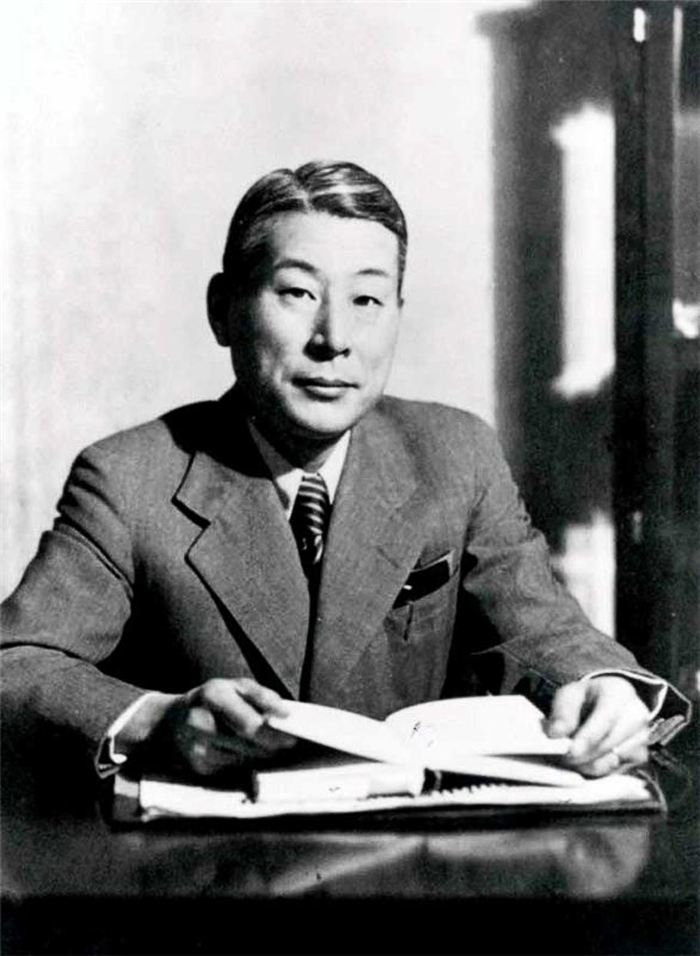


Life and career
Sugihara was born in Yaotsu, Gifu, in 1900. He entered Japan's foreign service and served at several posts before being assigned to Kaunas, then the temporary capital of Lithuania. During his life he experienced personal changes: his first marriage to Klaudia Semionovna Apollonova ended in divorce in 1935, and he later married Yukiko Sugihara; the couple had four sons. After the war his diplomatic career suffered and he lived a comparatively quiet life in Japan.
Actions in Lithuania
In 1940, as refugees sought routes out of Europe, Sugihara began issuing transit visas that permitted holders to travel through Japanese territory en route to other countries. Working long hours, often writing visas by hand and sometimes continuing after the consulate had been ordered closed, he enabled families and individuals to secure the paperwork needed for travel across the Soviet Union and beyond. Estimates of how many people his actions assisted vary by source; historians generally agree he helped several thousand refugees reach safety.
Routes, risks and impact
The typical route used the Trans-Siberian Railway to reach ports in the Far East, from which refugees continued to Japan and then to other destinations. Sugihara took personal risks—both career-wise and legally—by defying or ignoring restrictive instructions. Because his paperwork often formed the essential link in a complex escape route, the visas he issued had outsized importance for families facing deportation.
Recognition and legacy
For decades Sugihara's deeds were little known outside survivor communities. In 1985 the government of Israel recognized him as one of the Righteous Among the Nations. He has frequently been compared to other rescuers of the era—sometimes called the "Japanese Schindler"—a shorthand that highlights his rescue of persecuted people but can oversimplify distinct circumstances. Sugihara died in a hospital in Kamakura in 1986 at the age of 86.
- His story illustrates the effect individual decisions can have during crises.
- Survivor testimony and research continue to clarify how many people used the transit visas and where they resettled.
- His life is the subject of books, documentaries and exhibitions that explore ethics in diplomacy and rescue.
Sugihara's example remains a frequent case study in discussions of conscience, civil courage and the role of consular officials in protecting vulnerable populations. For those studying diplomatic history or the human responses to the Holocaust, his actions are a reminder that bureaucratic power can be wielded to preserve life even under extreme pressure.
Related articles
Author
AlegsaOnline.com Chiune Sugihara — Japanese diplomat who aided Jewish refugees Leandro Alegsa
URL: https://en.alegsaonline.com/art/19865
Sources
- japantimes.co.jp : "Chiune Sugihara: man of conscience"