
Childfree: choosing a life without children
Overview of the childfree identity: definitions, motives, history, social trends, differences from childless, and cultural implications.
The term childfree describes people who intentionally choose not to have biological or adoptive children. This decision can be reached for many reasons and may be permanent or temporary. Some who identify as childfree take medical steps such as sterilization or procedures like a vasectomy to prevent pregnancy, while others rely on contraception, life choices, or personal and ethical considerations.
Image gallery
5 Images


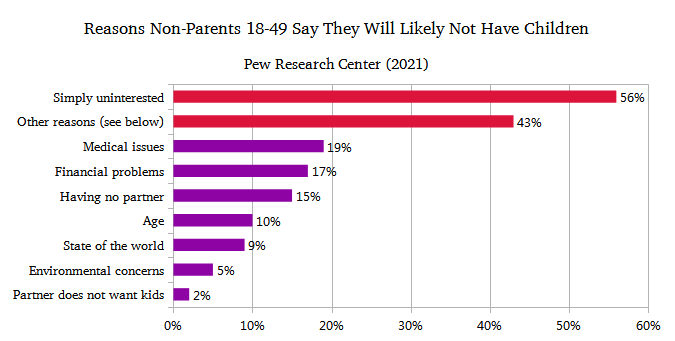

Common reasons and motivations
Motivations for remaining childfree are diverse and personal. They include preferences about lifestyle, career and personal freedom, financial considerations, health or genetic concerns, and philosophical or ethical positions. Religious or ascetic commitments may lead some people to avoid parenthood, while others oppose reproduction for antinatalist or environmental reasons.
- Personal preference: not wanting to parent or not being drawn to raising children.
- Religious or ascetic choices: beliefs or practices that de-emphasize family life (asceticism, religious motivations).
- Ethical or philosophical reasons: objections to bringing new people into the world (narcissism concerns, antinatalism).
- Economic and practical reasons: concerns about costs, career planning, or personal wellbeing (self-focus).
- Deliberate non-parenting: an explicit choice not to take on parenting responsibilities (not wanting to become a parent).
Characteristics, outcomes and distinctions
It is important to distinguish childfree people from those who are childless involuntarily, such as people affected by infertility or other barriers. Childfree is a voluntary identity. Some choose permanent medical routes while others remain open to future change. Many who are childfree report different lifestyle patterns—greater geographic mobility, higher investment in education or careers, and different household spending priorities—though experiences vary widely.
History and social trends
Attitudes toward remaining without children have shifted significantly since the mid-20th century. Remaining childless was uncommon and often stigmatized in the 1950s; since then, numbers of adults without children by choice have risen in many regions. Researchers have noted correlations between childfree rates and factors such as higher education (education), lower religiosity (religious affiliation), and urban residence (cities). In several countries, including the United States, birth rates and pregnancy rates declined in the late 2000s and early 2010s, producing historically low birth statistics in some periods (late 2000s, women, United States, pregnancy, 2010, 2013, birth rates).
Social and economic implications
Choosing to be childfree can influence household finances and life planning. Some individuals cite potential savings from not raising children (economic considerations), while others emphasize time, energy and emotional bandwidth available for other pursuits. At a societal level, changing fertility patterns affect labor markets, social services, and long-term demographic structures. Public conversations around family policy, work–life balance, and eldercare increasingly include the perspectives of childfree people.
Public perception and support vary: some cultures respect the choice, others stigmatize it. Discussions about the childfree often intersect with debates on gender roles, environmental ethics, and reproductive rights. For readers seeking more information, many advocacy groups, academic studies and community forums explore the lived experiences of childfree people and offer resources for planning or support.
Further reading and resources can be found through scholarly summaries and community organizations linked in many surveys and articles (sterilization, vasectomy, asceticism, religion, voluntary non-parenting, ethical critiques, financial, economic, personal wellbeing, demographic trends, education links, urban studies, timelines, gender, national data, pregnancy rates, year markers, comparative data, birth statistics).
Related articles
Author
AlegsaOnline.com Childfree: choosing a life without children Leandro Alegsa
URL: https://en.alegsaonline.com/art/19660
Sources
- archiv.ub.uni-marburg.de : "Scientology"
- utilitarian-essays.com : "The Cost of Kids"
- nytimes.com : "The Long Road to Adulthood is Growing Longer"
- content.time.com : "Having it All without Having Children"