
Chivalry: origins, medieval code, and modern meanings
Chivalry began as a medieval system linking mounted warfare and knighthood and evolved into an ideal of honor, courtesy and courtly love; it remains influential and contested in modern social norms.
Overview
Chivalry originally referred to the qualities and practices associated with mounted warriors in medieval Europe. The word comes from a term in Old French that emphasized horsemanship and the social status of horse-mounted fighters. Over centuries the idea expanded beyond battlefield skill to a broader moral and social code: bravery, loyalty, generosity and polite behavior became linked to the identity of the knight.
Image gallery
7 Images


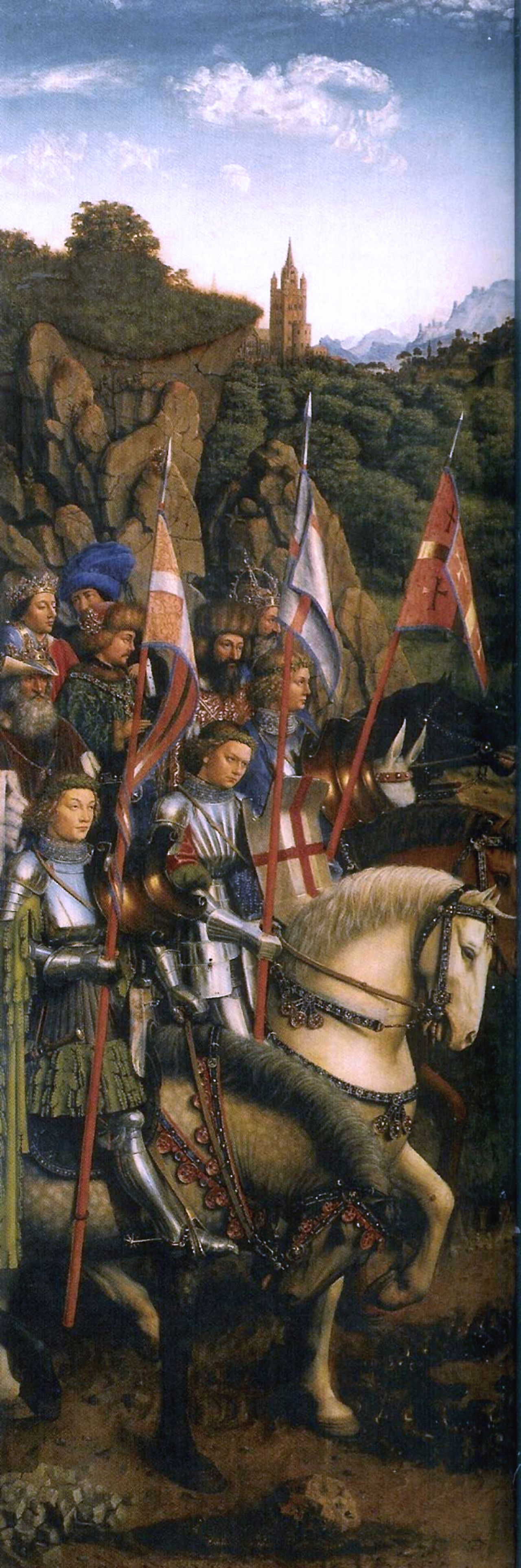
Core characteristics
Although the details varied by time and place, historians and literary sources usually identify several recurring elements of chivalry. These include:
- Military competence and readiness as part of an elite cavalry-based force.
- Personal virtues such as courage, fidelity to lords and comrades, and a sense of honour.
- Religious devotion and duty to defend the Church and the weak.
- Courtly behaviour toward women and the rituals of love, as celebrated in contemporary poetry and romance.
Historical development
In the early Middle Ages chivalry grew out of practical military organization: mounted warriors required training, equipment and social support. From the 11th to the 14th centuries the institution of knighthood and its values were shaped by feudal obligations, the rise of tournaments and the influence of clerical ideas about moral conduct. Literary traditions — chansons de geste, troubadour poetry and chivalric romances — both reflected and idealized this code, producing a distinct cultural image of the knight.
Uses and cultural importance
Chivalry functioned on multiple levels: as a military ethic, as social etiquette at courts, and as a literary theme. Knightly orders and heraldic ceremonies formalized aspects of the code, while tournaments and pilgrimages provided public venues where reputation and skill were displayed. In literature, chivalric ideals shaped characters and narratives that would inspire later artistic movements and national myths.
Modern meanings and debates
Today the term chivalry often denotes polite or gallant behavior, especially by men toward women. This popular meaning coexists with recognition that medieval chivalry could be exclusionary, violent, or more rhetorical than real in practice. Recent discussions focus on whether chivalrous acts are expressions of respect and care or reflections of unequal social expectations; many argue for translating positive aspects—courtesy, protection of the vulnerable—into egalitarian forms.
Distinctions and notable facts
Scholars distinguish between the idealized literary chivalry and the everyday practices of knights. The former shaped long-lasting images of honor and romance, while the latter was embedded in legal, military and social institutions. Chivalry’s legacy appears in modern language, ceremonies of honor and popular culture, and continues to provoke reassessment of how historical ideals influence contemporary behavior.
Related articles
Author
AlegsaOnline.com Chivalry: origins, medieval code, and modern meanings Leandro Alegsa
URL: https://en.alegsaonline.com/art/19867