
Child Abuse: Overview, Types, Signs, Effects and How to Help
A clear, neutral overview of child abuse covering forms, warning signs, causes, consequences, prevention and reporting, with guidance for recognizing harm and finding help.
Child abuse is any action or failure to act that harms a child’s physical or emotional well‑being. It can be committed by a parent, guardian, other family member or someone in a position of trust. For basic definitions and legal concepts, see definitions and resources. Abuse may be visible as physical injury or hidden as neglect, emotional harm or sexual exploitation.
Image gallery
6 Images


Common types of abuse
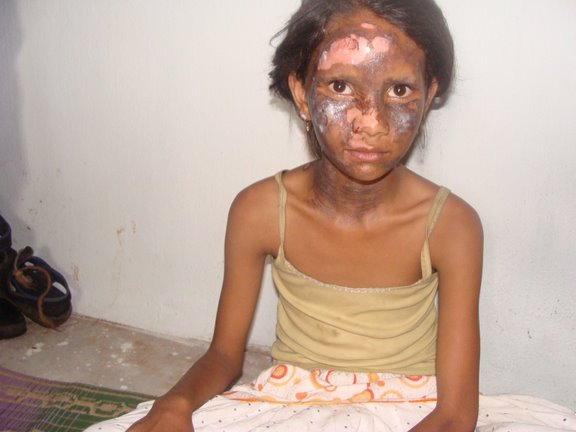
- Physical abuse: deliberate injury such as hitting, shaking or burning; may leave marks or other injuries.
- Sexual abuse: any sexual activity imposed on a child, including contact and non‑contact forms.
- Emotional or psychological abuse: persistent belittling, threats, rejection, or other behaviors that damage a child’s self‑esteem and development.
- Neglect: failure to provide basic needs—food, shelter, medical care, supervision—or to protect a child from harm.
Many cases involve more than one type. Abuse often occurs in family settings and can be inflicted by a caregiver; information for adults who care for children is available at parent and family resources and guidance about other caregivers is at caregiver guidance.
Signs and indicators
Warning signs vary with age and type of abuse. Physical signs include unexplained injuries, burns or marks on the body; skin wounds and similar evidence can be examined in context—see signs and reporting. Specific skin findings such as patterned bruises may indicate physical harm; information on skin injuries is at skin injury guidance and notes about bruises appear at bruises and marks. Behavioral changes—withdrawal, fearfulness, regressions, sleep or eating problems, or sudden school difficulties—are also important indicators.
Underlying causes and risk factors are complex. Stress, substance misuse, poverty, social isolation, mental health problems, or a history of violence in the family can increase risk, but abuse occurs across all communities. Children with disabilities are particularly vulnerable. Long‑term effects can include physical injury, developmental delays, mental health disorders, and problems with relationships and functioning in adulthood.
Prevention and response require awareness, safe caregiving practices, community supports and timely reporting to appropriate authorities or child protection services. If you suspect a child is at risk, follow local reporting procedures and seek professional advice; early intervention improves outcomes. Educational programs, parenting support and policies that reduce family stress help prevent abuse.
Discussing child abuse openly and compassionately helps reduce stigma and keeps children safer. Reliable help and further reading are available from professional child welfare and health organizations; use the links above as starting points to learn more about recognition, support and legal protections.
Related articles
Author
AlegsaOnline.com Child Abuse: Overview, Types, Signs, Effects and How to Help Leandro Alegsa
URL: https://en.alegsaonline.com/art/19643
Sources
- who.int : "Child abuse and neglect by parents and other caregivers"
- cdc.gov : Child Maltreatment Surveillance: Uniform Definitions for Public Health and Recommended Data Elements, Version 1.0
- doi.org : 10.1016/j.chiabu.2005.04.002
- pubmed.ncbi.nlm.nih.gov : 15970317
- childwelfare.gov : "Definitions of Child Abuse and Neglect in Federal Law"