
Childbirth (labour and delivery) — process, timing and population effects
Childbirth, or labour and delivery, is when one or more babies leave the uterus by vaginal birth or Caesarean. Covers modes of delivery, timing (preterm/post-term) and its significance for population change.
Childbirth, also called labour or delivery, is the process that concludes an ongoing pregnancy when one or more infants exit the uterus. Birth can occur through the vagina or by Caesarean section, and the term covers the physiological events and medical practices involved in bringing a newborn into the world.
Image gallery
10 Images


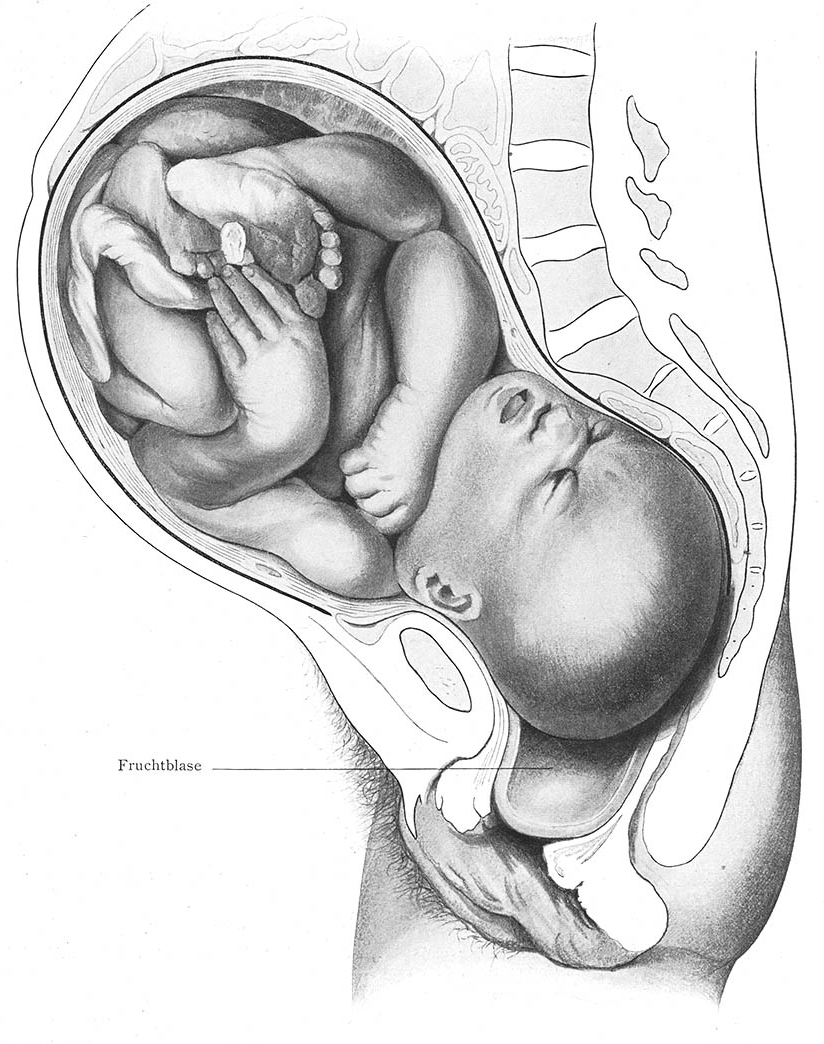
Key facts
- Global frequency: in 2015 there were about 135 million births worldwide.
- Timing: roughly 15 million infants are born before 37 completed weeks (preterm).
- Post-term births (after 42 weeks) occur in an estimated 3–12% of pregnancies.
Why it matters
Patterns in childbirth—how many children are born and when they are delivered—influence public health needs, maternal and newborn care services, and long-term population trends. Birth rates are therefore a central component in projecting population growth and planning healthcare resources.
Related articles
Author
AlegsaOnline.com Childbirth (labour and delivery) — process, timing and population effects Leandro Alegsa
URL: https://en.alegsaonline.com/art/19658
Sources
- en.oxforddictionaries.com : "confinement - Definition of confinement in English by Oxford Dictionaries"
- dictionary.cambridge.org : "CONFINEMENT - meaning in the Cambridge English Dictionary"
- ncbi.nlm.nih.gov : "The global burden of neonatal hypothermia: systematic review of a major challenge for newborn survival"
- doi.org : 10.1186/1741-7015-11-24
- pubmed.ncbi.nlm.nih.gov : 23369256
- books.google.com : Concise Colour Medical l.p.Dictionary · web.archive.org
- cia.gov : "The World Factbook" · web.archive.org
- who.int : "Preterm birth Fact sheet N°363" · web.archive.org
- books.google.com : Reproductive and perinatal epidemiology · web.archive.org